 English
 عربى
عربى Português
 Español
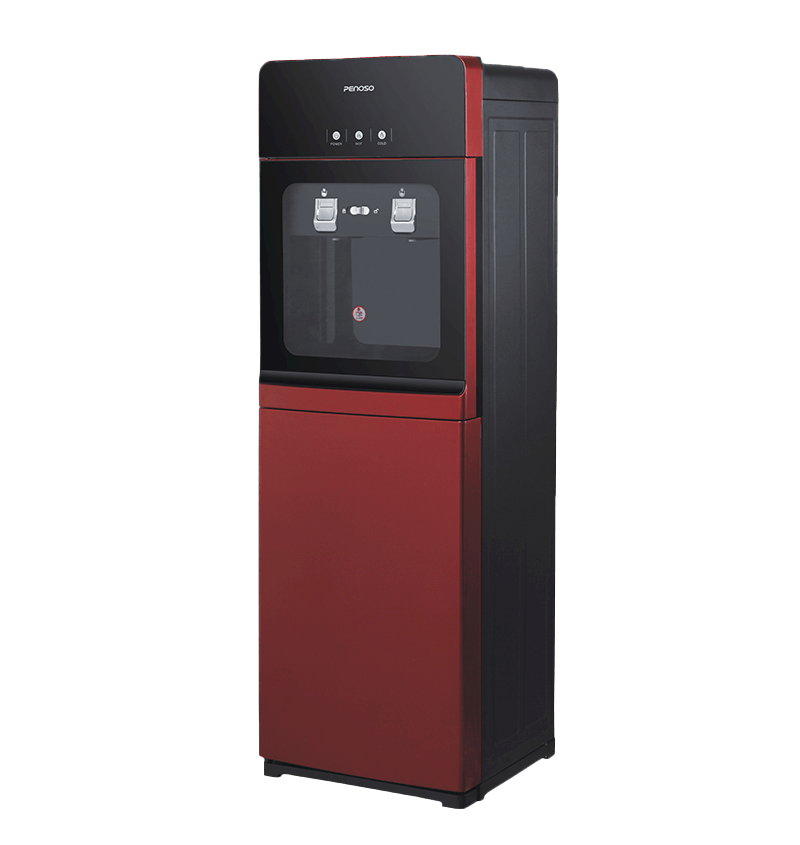
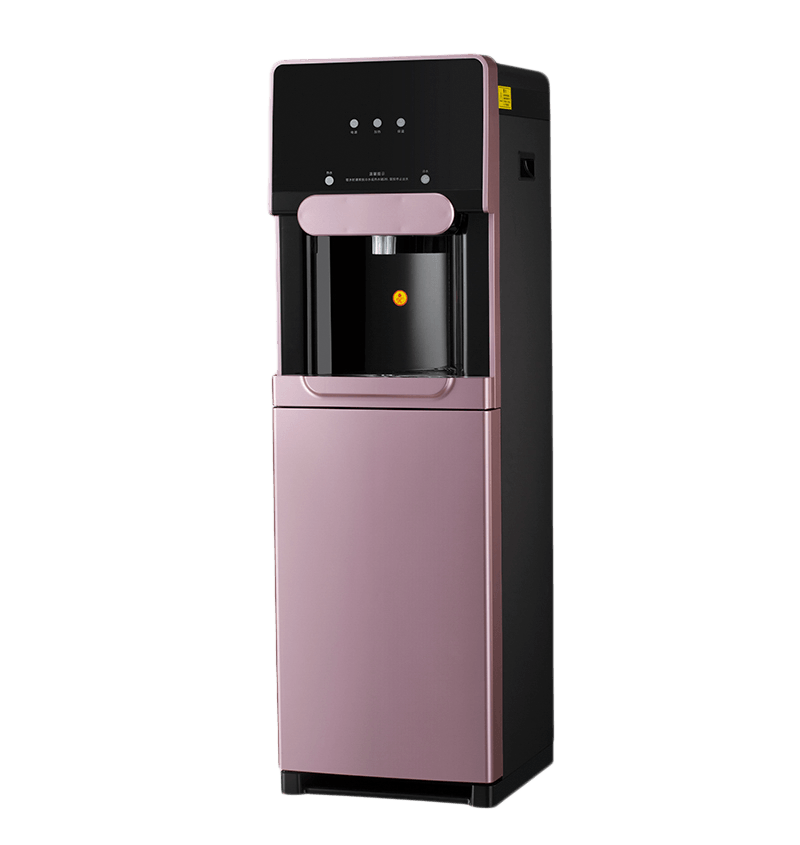
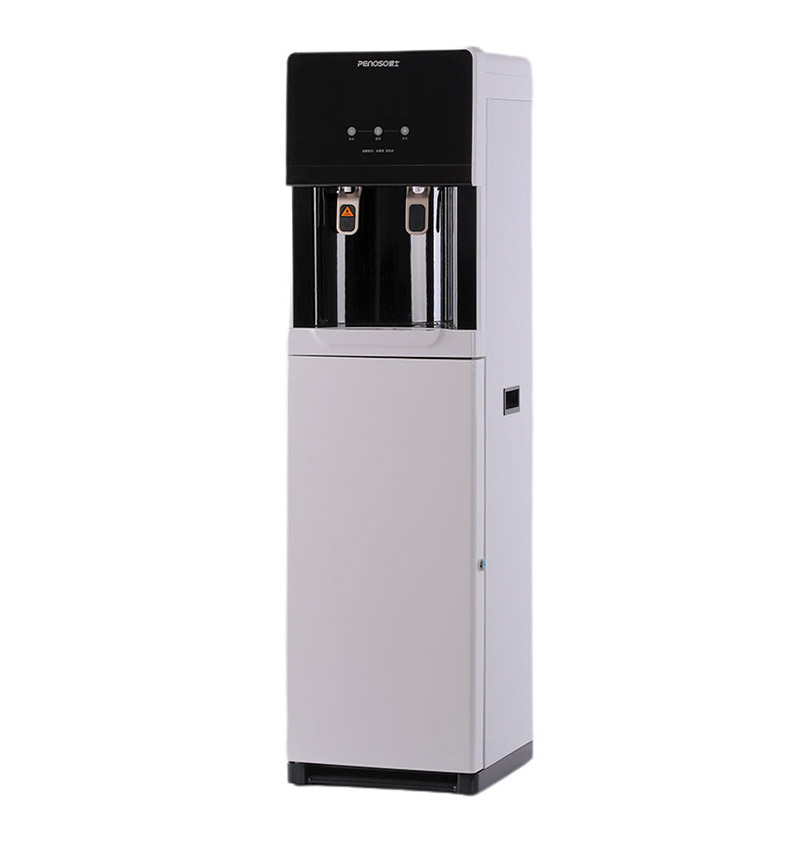
Choosing the right bottled loading water dispenser depends on balancing convenience, safety features, long-term energy consumption, and ergonomic design. While top-loading models offer a lower initial purchase price and simpler internal mechanics, bottom-loading water dispensers eliminate heavy lifting, reduce back strain, and deliver a streamlined aesthetic that fits modern residential and corporate spaces seamlessly. Evaluating your daily hydration volume, user demographics, and available floor space will ultimately dictate which system yields the highest return on investment.
Understanding the Core Mechanics of Bottled Water Dispensers
Hydration infrastructure has evolved significantly over the past decade, moving from simple ceramic crocks to sophisticated thermodynamic appliances that deliver instant piping hot water, chilled refreshment, and ambient hydration on demand. At its core, any bottled loading water dispenser serves a singular purpose: to transfer water from a standard 3-gallon or 5-gallon polyethylene terephthalate (PET) or polycarbonate jug into an internal reservoir where it is either heated or cooled.
Despite this shared basic function, the engineering divergence between top-loading and bottom-loading configurations creates vastly different user experiences. High-value consumers—such as office managers, wellness-focused homeowners, and facility administrators—increasingly prioritize ergonomic safety, energy efficiency ratings, and aesthetic integration over minor upfront cost differentials. Understanding these underlying differences ensures an informed procurement decision tailored to specific environmental demands.
Comparative Analysis: Top-Loading Versus Bottom-Loading Systems
To establish a comprehensive understanding of how these systems stack up against one another, we must examine their structural design, operational mechanics, safety provisions, and maintenance profiles. The following comparative breakdown outlines the critical metrics that matter most to discerning buyers.
| Evaluation Metric | Top-Loading Water Dispenser | Bottom-Loading Water Dispenser |
| Loading Mechanism | Manual lifting of a 40lb jug overhead | Sliding mechanism with internal suction straw |
| Aesthetic Integration | Visible jug disrupts modern interior design | Concealed jug maintains a clean, minimalist look |
| Ergonomic Safety | High risk of strain, spills, and dropped bottles | Zero lifting required; floor-level sliding drawer |
| Initial Investment | Generally lower price point (budget-friendly) | Moderate to high due to internal pump hardware |
| Maintenance & Cleaning | Simpler reservoir access; manual sanitation | Requires periodic inspection of internal suction pump |
Ergonomics, Safety, and User Accessibility
Physical safety is a paramount concern in shared environments like corporate breakrooms, medical clinics, and busy households with children or elderly residents. A standard 5-gallon water jug weighs approximately 42 pounds (19 kilograms) when fully loaded. Lifting this weight to chest height or shoulder level to invert it onto a traditional top-loading reservoir presents a legitimate ergonomic hazard.
According to occupational health guidelines, repetitive heavy lifting above waist level increases the incidence of acute lumbar strain and rotator cuff injuries. A bottled loading water dispenser utilizing a bottom-mounted configuration completely eliminates this risk vector. Users simply open a lower cabinet door, slide the fresh jug into the base, and let the internal electromagnetic or mechanical suction pump prime the system automatically. Furthermore, bottom-loading units feature a lower center of gravity, making them significantly more stable and less prone to accidental tip-overs if bumped by foot traffic or children.
Energy Efficiency and Operational Economics
Modern consumers and corporate procurement officers scrutinize utility footprints just as closely as purchase prices. Water dispensers operate heating and cooling elements continuously or on demand to maintain reservoir temperatures, making standby power consumption a critical efficiency metric.
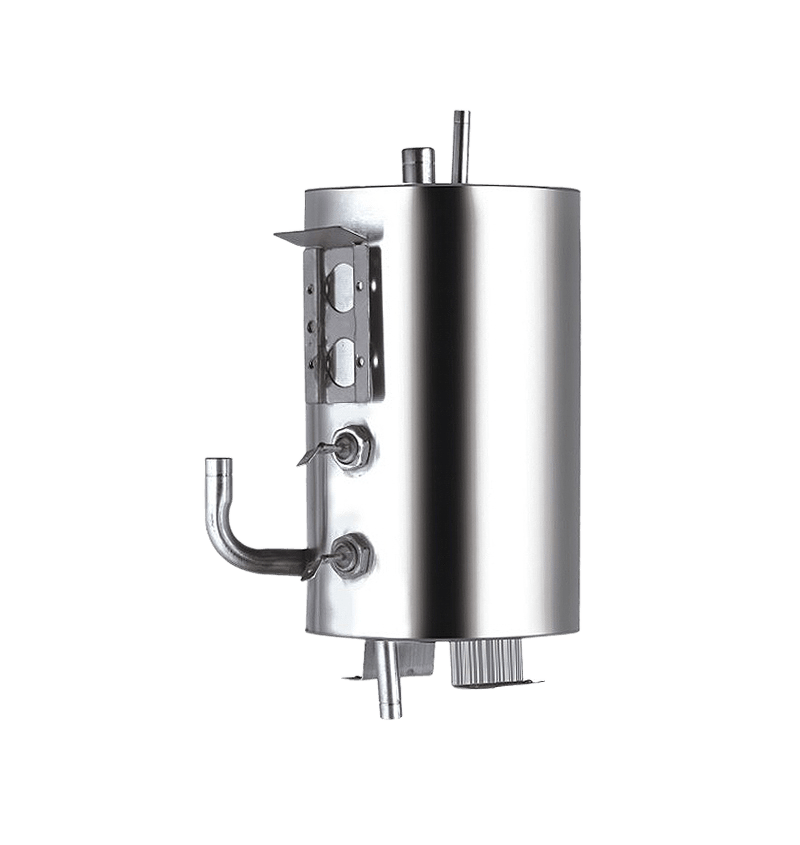
Most advanced bottled loading water dispenser models incorporate dual compressor or thermoelectric cooling systems paired with insulated stainless steel reservoirs. Standard units consume between 0.8 to 1.2 kilowatt-hours (kWh) per day when heating and cooling functions are active. However, premium models feature eco-modes governed by light sensors (photocells) that reduce energy draw in dark rooms or overnight, cutting standby power consumption by up to 30 percent. When calculating total cost of ownership over a five-year lifecycle, units equipped with Energy Star certifications and independent power switches for the heating element consistently deliver lower utility expenditures.
Aesthetic Appeal and Interior Design Integration
The visual impact of a hydration station cannot be overstated in contemporary architectural design. Traditional water coolers with exposed blue or clear plastic jugs perched on top often create visual clutter, clashing with carefully curated kitchen interiors or high-end executive boardrooms.
By concealing the container entirely within a sleek cabinet enclosure, a contemporary bottled loading water dispenser transforms an industrial utility appliance into a refined piece of architectural hardware. Manufacturers offer finishes in brushed stainless steel, matte black, slate gray, and crisp white, allowing the appliance to complement high-end kitchen appliances, quartz countertops, and minimalist office decor. This seamless integration explains why premium residential and commercial buyers are overwhelmingly abandoning legacy top-load designs in favor of hidden-reservoir alternatives.
Hygiene, Filtration, and Maintenance Best Practices
Water quality and microbial control represent non-negotiable priorities for health-conscious users. Regardless of whether a dispenser relies on a top or bottom configuration, the internal water pathways and stainless steel reservoirs require structured maintenance to prevent biofilm formation and mineral scale accumulation.
High-end dispensers frequently incorporate self-cleaning technologies, such as ozone (O3) injection or ultraviolet (UV-C) light sterilization cycles that automatically sanitize the interior tanks multiple times per day. For locations utilizing standard bottled water, these sanitary measures protect against secondary contamination during jug swaps. Additionally, users must perform a manual deep clean every three to six months using a food-grade citric acid or hydrogen peroxide solution to flush mineral deposits from heating bands and cooling coils, ensuring optimal water taste and prolonged appliance longevity.
Frequently Asked Questions
How does a bottom-loading water dispenser draw water upward?
A bottom-loading bottled loading water dispenser utilizes an internal electric suction pump or siphon system. When the machine is activated or senses a drop in reservoir levels, the pump draws water up through a food-grade silicone probe inserted into the cap of the jug, filling the internal hot and cold tanks automatically.
Can I use any standard water jug with these dispensers?
Most standard 3-gallon and 5-gallon water jugs—including standard polycarbonate bottles and reusable PET containers—are fully compatible with modern dispensers. However, bottom-loading units require specialized non-spill caps with a central puncture membrane to ensure the suction probe seals correctly without leaking.
How much electricity does a bottled loading water dispenser consume?
On average, a standard dispenser consumes between 0.8 and 1.2 kWh per day, which equates to roughly $3 to $5 per month in electricity costs depending on local utility rates. Units featuring energy-saving sleep modes and insulated hot tanks consume significantly less power during idle periods.
What is the recommended cleaning schedule for a water dispenser?
Routine exterior wiping and drip-tray emptying should be performed weekly. For internal hygiene, a complete sanitation flush using a mild sanitizing solution or food-grade vinegar should be conducted every three to six months to prevent mineral buildup and maintain pristine water purity.
Are bottom-loading dispensers louder than top-loading models?
Bottom-loading units produce a brief, low-level humming sound for approximately 30 to 60 seconds whenever the internal pump engages to refill the internal tanks. Aside from these short pump cycles during heavy usage periods, they operate just as quietly as traditional top-loading systems.