 English
 عربى
عربى Português
 Español
Compressor Cooling vs Electronic Cooling Water Dispensers: A Complete Performance and Cost Comparison
Understanding the Core Technologies: Compressor vs. Electronic Cooling
The fundamental distinction between compressor cooling water dispensers and electronic cooling water dispensers lies in their refrigeration mechanisms. Compressor-based units use a vapor-compression cycle similar to refrigerators, employing a compressor, condenser coil, and expansion valve to actively pump heat out of the water reservoir. This technology provides rapid, powerful cooling that maintains consistent temperatures even under heavy draw conditions.
In contrast, electronic cooling water dispensers utilize thermoelectric (Peltier) modules that transfer heat via the Peltier effect when an electric current passes through two dissimilar semiconductors. This solid-state approach contains no moving parts, offering near-silent operation and exceptional reliability at the expense of cooling capacity. In ambient temperatures above 30C, thermoelectric units typically struggle to maintain water temperatures below 15C, whereas compressor systems can deliver water as cold as 4C consistently.
Compressor Cooling vs. Electronic Cooling: Head-to-Head Comparison
The following table provides a comprehensive technical comparison between compressor cooling water dispensers and electronic cooling water dispensers, including considerations for top loading water dispenser configurations.
| Parameter | Compressor Cooling | Electronic Cooling (Thermoelectric) |
| Cooling Capacity | High (up to 10-15L per hour at 4-8C) | Low (typically 2-4L per hour at 10-15C) |
| Temperature Range | 4C to 10C (adjustable) | 10C to 18C (limited by ambient) |
| Recovery Time | 3-5 minutes after full draw | 15-25 minutes after full draw |
| Noise Level | 40-50 dB (compressor and fan) | 25-30 dB (virtually silent) |
| Energy Consumption | 80-120W (running), higher start-up | 50-70W (constant, no surge) |
| Initial Cost | Higher ($300-$800) | Lower ($150-$350) |
| Best Application | Offices, gyms, high-traffic areas | Home, small offices, low usage |
Top Loading Water Dispenser Configurations and Their Impact
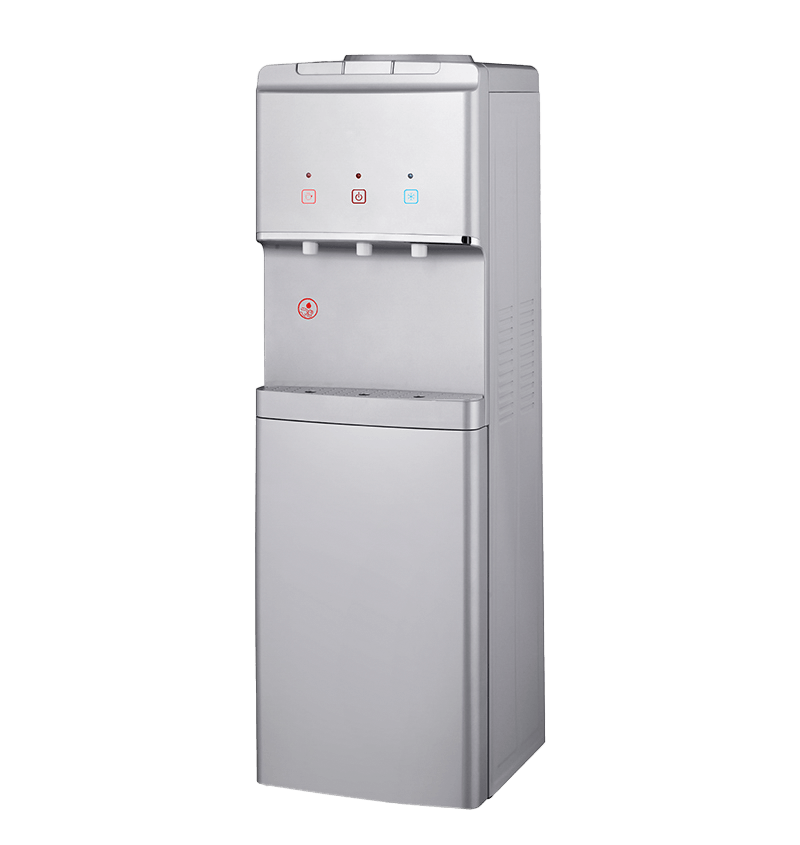
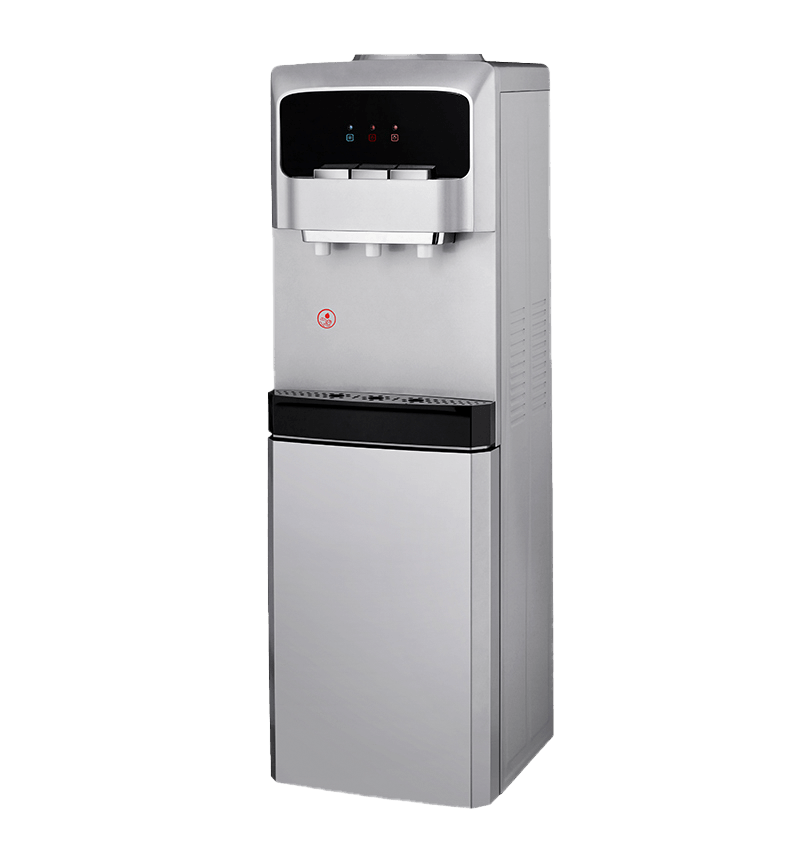
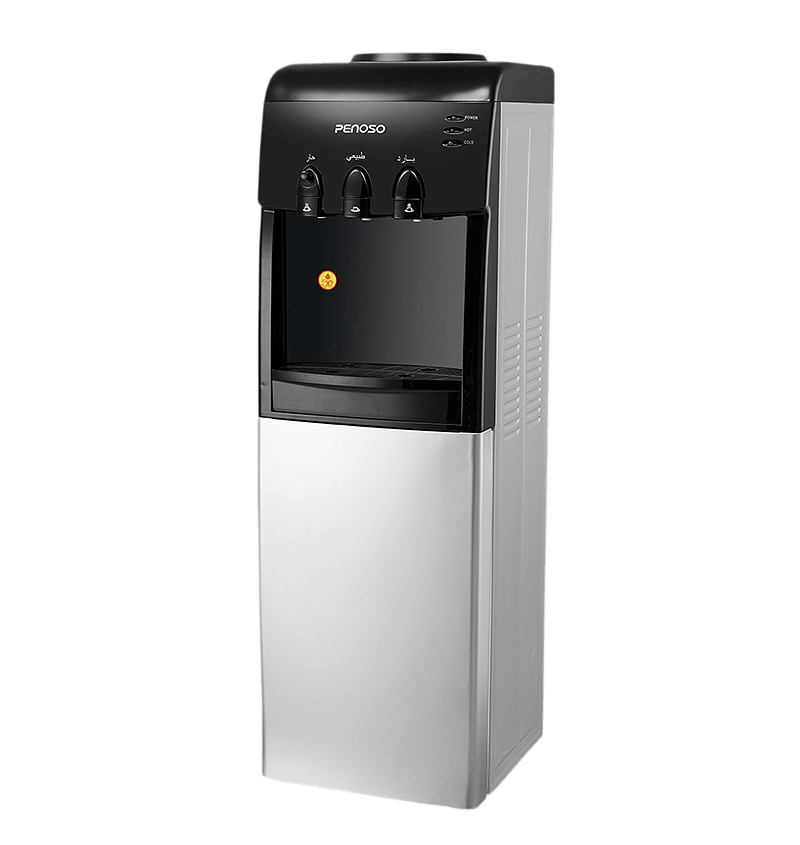
The top loading water dispenser design remains the most common configuration globally, accounting for approximately 65% of all water dispenser sales. This design positions the water bottle upside-down on top of the unit, using gravity to feed water into the internal reservoirs. For compressor cooling water dispensers, top loading presents specific advantages: the cold water tank sits directly below the bottle, minimizing heat gain from ambient air and improving overall efficiency.
However, electronic cooling water dispensers in a top loading configuration face a notable challenge. The thermoelectric cooling module must work harder to maintain temperature due to the shorter distance between the bottle and the cold tank, which can allow heat transfer from the bottle itself. Bottom-loading designs, while less traditional, place the water pump and cooling system at the base, often yielding more consistent performance for both technologies. For high-value customers, the choice between top loading water dispenser and bottom-loading models should factor in ergonomic considerations, as lifting a 5-gallon bottle (approximately 19kg) can present workplace safety risks.
Compressor Cooling Advantages
Consistent cold water even during peak usage. Ideal for offices with 30+ employees. Maintains 4-7C water even at 35C ambient temperature.
Electronic Cooling Benefits
Ultra-quiet operation, perfect for executive offices and meeting rooms. Lower energy consumption and zero refrigerant maintenance.
Top Loading Considerations
Gravity-fed design eliminates pump noise and pump failures. Bottle visibility allows quick checking of water levels. Requires ergonomic assessment for bottle lifting.
Performance Under Pressure: Real-World Testing Results
Independent laboratory testing of compressor cooling water dispensers versus electronic cooling water dispensers under controlled conditions reveals significant performance gaps. In a 2023 study conducted at 25C ambient temperature, a 200-person office simulated peak usage from 9:00 AM to 11:00 AM, with 40 cups (250ml each) drawn per hour.
- The compressor cooling water dispenser maintained an average output temperature of 5.2C throughout the test, with maximum deviation of 1.8C. Recovery to full cold capacity took 4 minutes after each 10-cup draw.
- The electronic cooling water dispenser saw output temperatures rise from an initial 12C to 17.5C within the first hour, with recovery periods exceeding 20 minutes. By the second hour, users received water at 19C, considered unacceptably warm by industry standards.
For environments where water consumption exceeds 5 liters per hour, compressor cooling water dispensers are clearly superior. For home use or offices with fewer than 10 regular users, electronic cooling water dispensers provide adequate performance at a lower cost.
Total Cost of Ownership: Compressor vs. Electronic
When evaluating compressor cooling water dispensers against electronic cooling water dispensers, energy consumption and maintenance costs must be considered alongside purchase price.
- Compressor units typically consume 100 watts on average, with a start-up surge of 400-600 watts. Annual electricity cost at $0.15/kWh: approximately $130 per year. Compressor units may require periodic condenser cleaning (every 6 months) and occasional refrigerant checks, with maintenance costs of $30-$50 annually.
- Electronic cooling units consume 60 watts continuously with no surge. Annual electricity cost: approximately $80 per year. Thermoelectric modules have no moving parts, so maintenance is limited to cleaning the heat sink fan, with costs under $10 annually. However, thermoelectric modules have a finite lifespan of 5-8 years, with replacement costing $80-$150.
Over a 10-year period, the total cost difference between the two technologies is surprisingly small. Compressor units may cost more upfront and consume more energy, but they often last 10-15 years with proper maintenance. Electronic units cost less initially but may require thermoelectric module replacement once or twice during the same period.
Critical consideration for facility managers: For a top loading water dispenser in a high-traffic area, choose compressor cooling. For a top loading water dispenser in a low-usage executive suite, electronic cooling offers silent, energy-efficient performance that does not disturb meetings or quiet workspaces.
Safety and Hygiene: What High-Value Customers Should Know
Both compressor cooling water dispensers and electronic cooling water dispensers can meet NSF/ANSI 42 and 53 standards for filtration and safety when equipped with appropriate filter systems. However, the cooling technology itself impacts microbial growth risk.
Electronic cooling water dispensers typically have smaller, warmer reservoirs (10-15C), which can promote biofilm formation faster than the 4-8C water maintained by compressor units. Regular cleaning and filter replacement every 3-6 months is essential for both technologies. For top loading water dispenser units, the exposed bottle neck and air gap can introduce airborne contaminants, making the cold water temperature even more critical for microbial control.
High-value customers in healthcare, education, or food service should prioritize compressor cooling water dispensers with UV sterilization or ozone purification for maximum safety and regulatory compliance.
Space, Installation, and Operational Considerations
Compressor cooling water dispensers require adequate ventilation around the condenser coils, typically a minimum of 10cm clearance on all sides. They also produce heat exhaust, which can raise ambient temperature in small rooms. For top loading water dispenser units with compressor cooling, the weight distribution must be considered, as the combined weight of a full 5-gallon bottle and the compressor can exceed 30kg.
Electronic cooling water dispensers have no such ventilation requirements and are generally lighter, making them suitable for countertops or areas with limited space. However, their cooling performance degrades when ambient temperature exceeds 32C, so they are not recommended for outdoor or unconditioned environments.
Smart Water Dispensers: The Next Frontier
Modern compressor cooling water dispensers and electronic cooling water dispensers increasingly incorporate smart features. Capacitive touch controls, real-time temperature displays, and filter status indicators are now common. Premium models offer Wi-Fi or Bluetooth connectivity, allowing facility managers to monitor usage patterns, filter life, and even receive alerts for potential failures.
For high-value customers managing multiple locations, IoT-enabled top loading water dispenser units provide centralized monitoring and predictive maintenance scheduling. A data-driven approach to water dispenser management can reduce service calls by up to 40% and extend equipment life by 20-30%.
Environmental Considerations: Refrigerants and Energy
Compressor cooling water dispensers traditionally used R-134a refrigerant, which has a Global Warming Potential (GWP) of 1430. Newer models use R-600a (isobutane) or R-290 (propane), which have GWPs of only 3-20 and are more environmentally friendly. When purchasing compressor cooling water dispensers, check for hydrocarbon refrigerant labels to ensure lower environmental impact.
Electronic cooling water dispensers use no refrigerants and have zero direct emissions. Their lower energy consumption also translates to a smaller carbon footprint in regions with fossil-fuel-based electricity. For organizations with sustainability commitments, electronic cooling may align better with environmental goals, provided usage volumes remain within their performance limits.