 English
 عربى
عربى Português
 Español
At 6:45 a.m., the facility manager of a 200-bed community hospital opens an email from the lab: a routine water sample from an ICU handwashing sink has tested positive for Legionella. The ICU is already full, and the risk of a hospital-acquired infection is immediate. This scenario plays out in healthcare facilities far more often than most people realize.
The short conclusion is this: a hospital water system is not ordinary plumbing. It is a clinical safety system that must be designed, operated, and monitored as carefully as any medical device. When managed well, it delivers safe water for drinking, hand hygiene, surgical instrument processing, and dialysis. When mismanaged, it can spread pathogens to already vulnerable patients.
Why Hospital Water Systems Need a Different Approach
In a typical office building, water quality is mostly a comfort issue. In a hospital, it is a patient safety issue. Immunocompromised patients, invasive devices, and open wounds all create routes for waterborne organisms to enter the body. A single contaminated faucet or shower head can become a reservoir for bacteria that are resistant to multiple antibiotics.
What makes hospitals different is not just the population, but the scale and complexity of the water network. A modern hospital may have separate systems for potable water, dialysis water, laboratory-grade water, and fire protection. Dead-end pipes, low-flow fixtures, and unused patient rooms can allow water to stagnate, which encourages biofilm growth. Established guidelines such as ASHRAE 188 and the CDC's water management toolkit recommend a systematic, risk-based approach to keep these networks safe.
In practice, this means that hospital engineers must think about temperature, residence time, and flow patterns from the incoming municipal main to the furthest tap. Every unused outlet is a potential hazard. Every new water-using device is a new interface that must be integrated into the hospital's water safety plan.
The Main Biological Hazards in Hospital Water
Not all waterborne organisms pose the same risk. Some colonize biofilm in pipes and multiply when conditions are favorable, while others enter through the municipal supply and survive residual disinfection. Understanding these differences is essential for selecting monitoring points and control measures.
| Pathogen | Preferred habitat | Typical infection risk |
|---|---|---|
| Legionella pneumophila | Warm water biofilm (25-45°C) | Legionnaires' disease, especially in ventilated or immunocompromised patients |
| Pseudomonas aeruginosa | Biofilm on faucets, drains, and water heaters | Wound infections, pneumonia, bloodstream infections |
| Mycobacterium avium complex | Hot water systems and biofilms | Pulmonary infections in high-risk patients |
| Stenotrophomonas maltophilia | Moist environments and water outlets | Nosocomial pneumonia and bacteremia |
The table above explains why temperature control matters. Legionella grows best between 25°C and 45°C, which is why guidelines recommend storing hot water above 60°C and returning it to the recirculation loop at a minimum of 55°C. Cold water should be distributed below 20°C. In large buildings, maintaining these boundaries requires careful balancing of recirculation pumps and branch lines.
Designing a Safe Hospital Water System
The most reliable way to control waterborne pathogens is to design the system so that they never become established. That means eliminating dead legs, avoiding oversized storage tanks, and keeping water moving. Where stagnation is unavoidable, automatic flushing valves can periodically refresh the line.
Temperature control is only one part of the strategy. Many hospitals add secondary disinfection systems, such as copper-silver ionization, chlorine dioxide, or monochloramine, to reduce bacterial colonization in the biofilm itself. Each method has trade-offs. Copper-silver ionization is widely used for Legionella control but requires careful monitoring of metal concentrations. Chlorine dioxide is effective but must be generated safely. Monochloramine provides residual protection in the distribution system but can be more aggressive with certain materials.
Choosing among these approaches depends on local water chemistry, the age of the plumbing, and the hospital's tolerance for maintenance complexity. The key is that disinfection should be understood as a supplement to, not a substitute for, good hydraulic design. A well-designed system with secondary disinfection will outperform a poorly designed system with high chemical doses.
Filtration and Reverse Osmosis for Clinical Water
Beyond microbial control, many hospital departments need water that is chemically consistent and free of dissolved solids. Dialysis water, laboratory reagents, and instrument reprocessing all require very low levels of minerals, endotoxins, and residual disinfectants. Reverse osmosis (RO) is the workhorse technology for these applications because it removes ions, organics, and particles in a single pass.
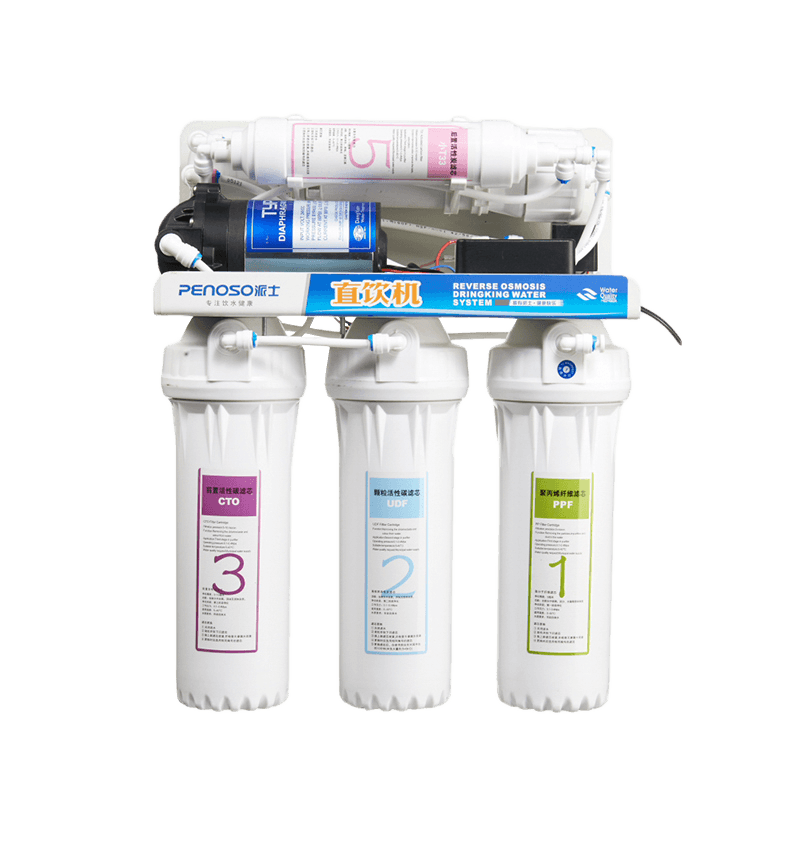
A central RO system can supply multiple departments, but it requires careful validation and maintenance. In smaller facilities, compact RO units are often used at the point of use. These units need periodic membrane replacement and sanitization, but they provide a practical way to meet the demand for purified water without a full centralized plant. For facilities adapting an existing RO water purification system to clinical areas, the operating principle is the same: protect the membrane, monitor product quality, and replace filters on schedule.
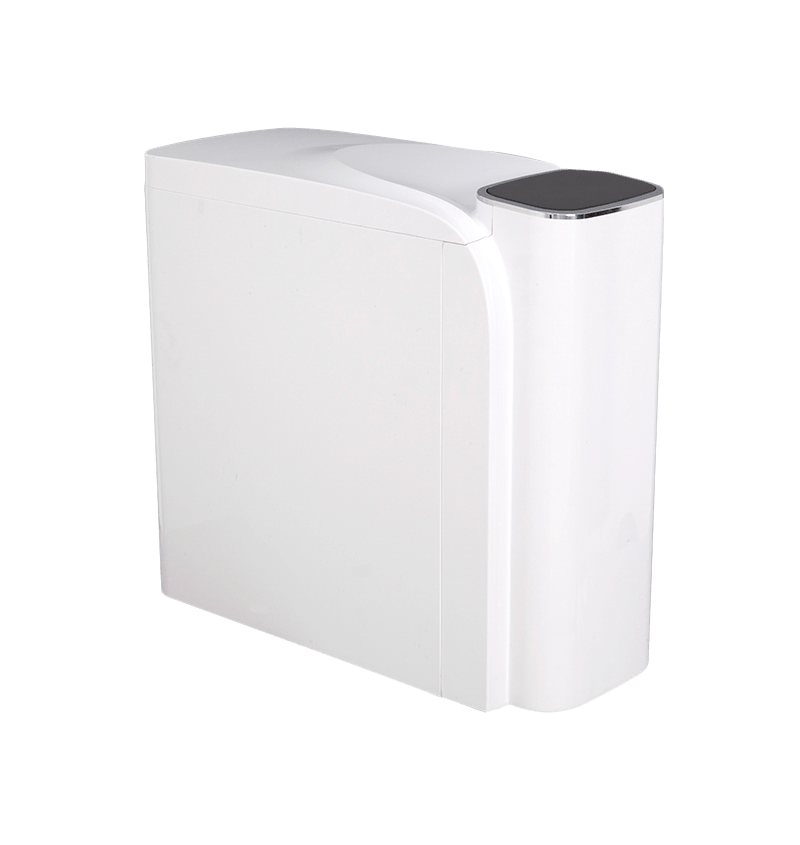 5/6-Stage Under-Sink Reverse Osmosis Water Purifier with Storage TankThis under-sink RO system uses multi-stage filtration with a branded membrane and automatic flushing to extend service life, suitable for supplying purified drinking water directly at patient rooms or nurses' stations.View Product →
Point-of-Use Water Dispensers in Patient Areas
One frequently overlooked part of a hospital water system is the point where patients and staff actually drink water. Traditional bottled water coolers create handling, storage, and cleaning burdens. Direct-piping drinking water into the patient room or nurses' station reduces those tasks and limits the chance of contamination at the interface.
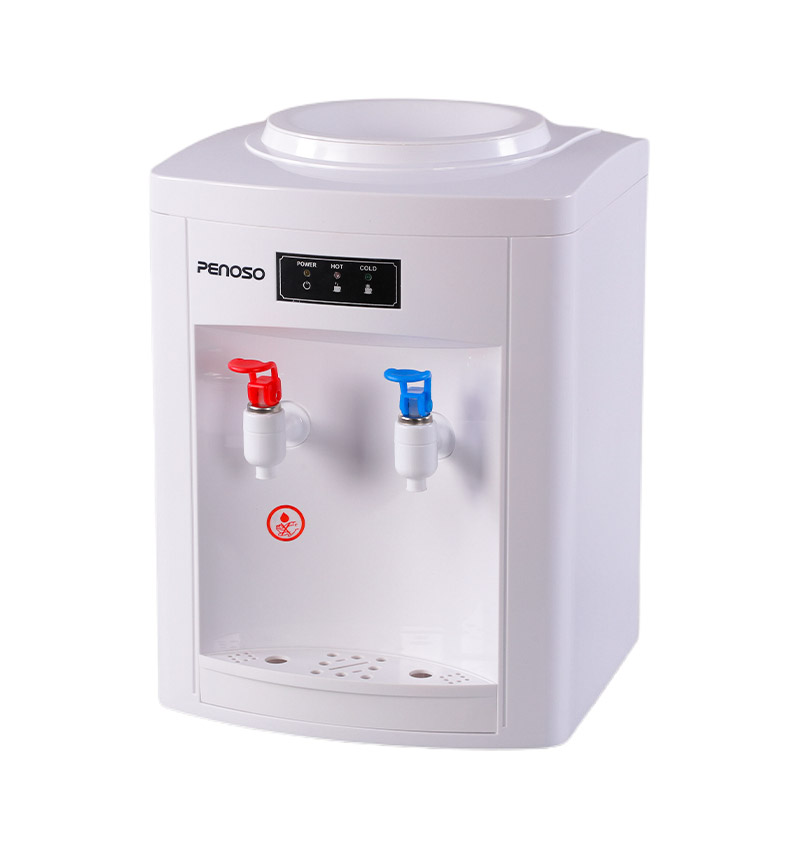
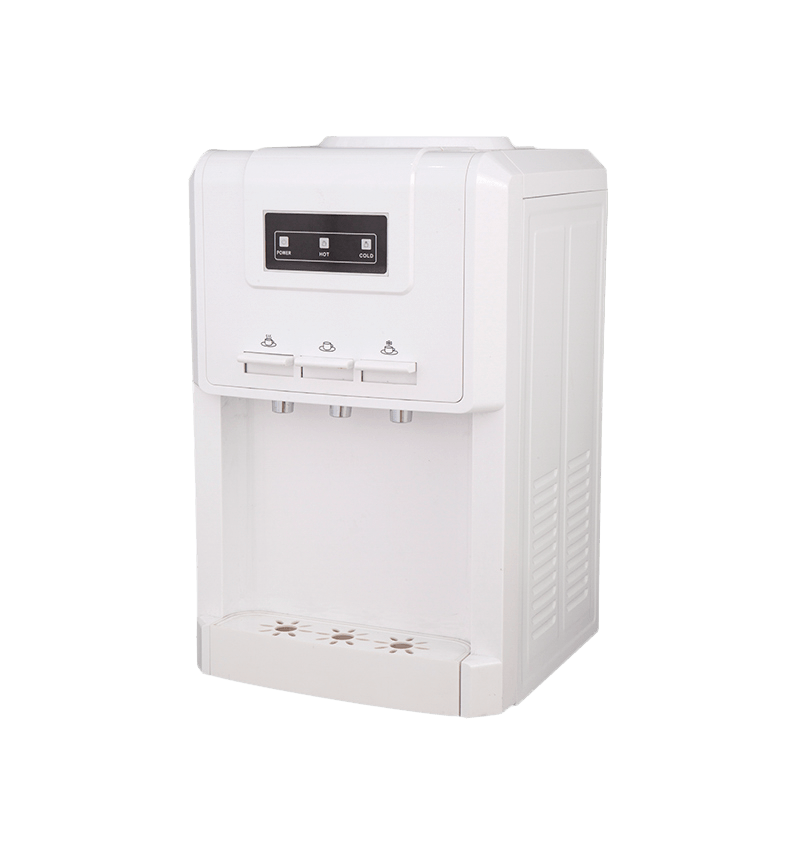
Modern point-of-use dispensers can be connected to a filtered water supply and provide both hot and cold water at controlled temperatures. This is especially useful in pediatric wards, where accidental scalding is a real concern, and in isolation rooms, where external jugs and cups should not cross patient barriers. Look for models with stainless steel tanks, anti-scalding protection, and accessible quick-change filters. A well-chosen direct-piped water dispenser can be integrated into the hospital's maintenance schedule without creating new infection risks.
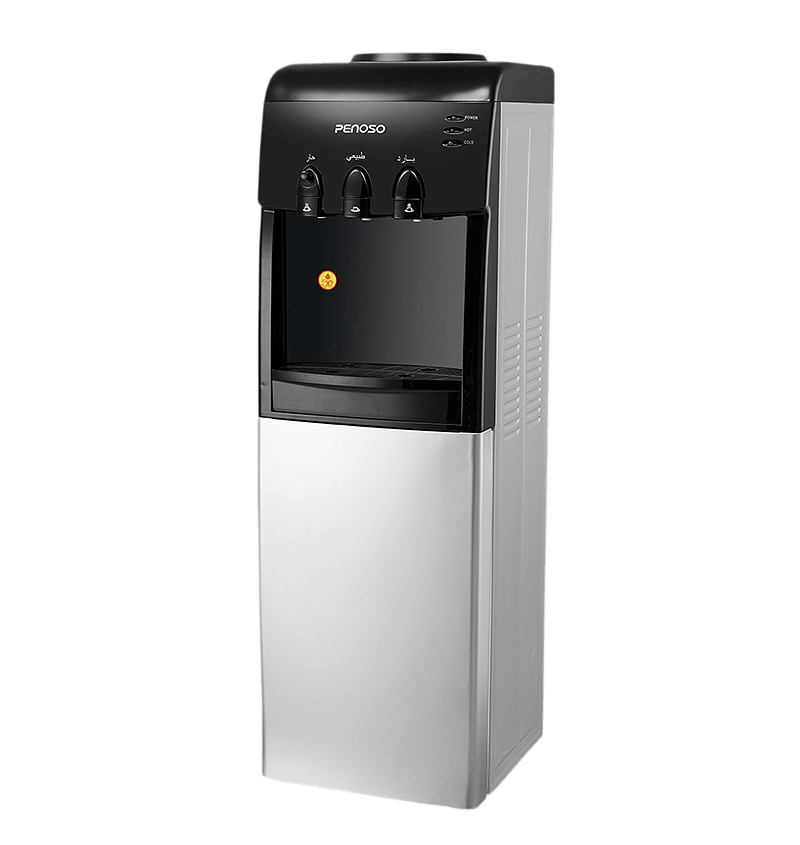
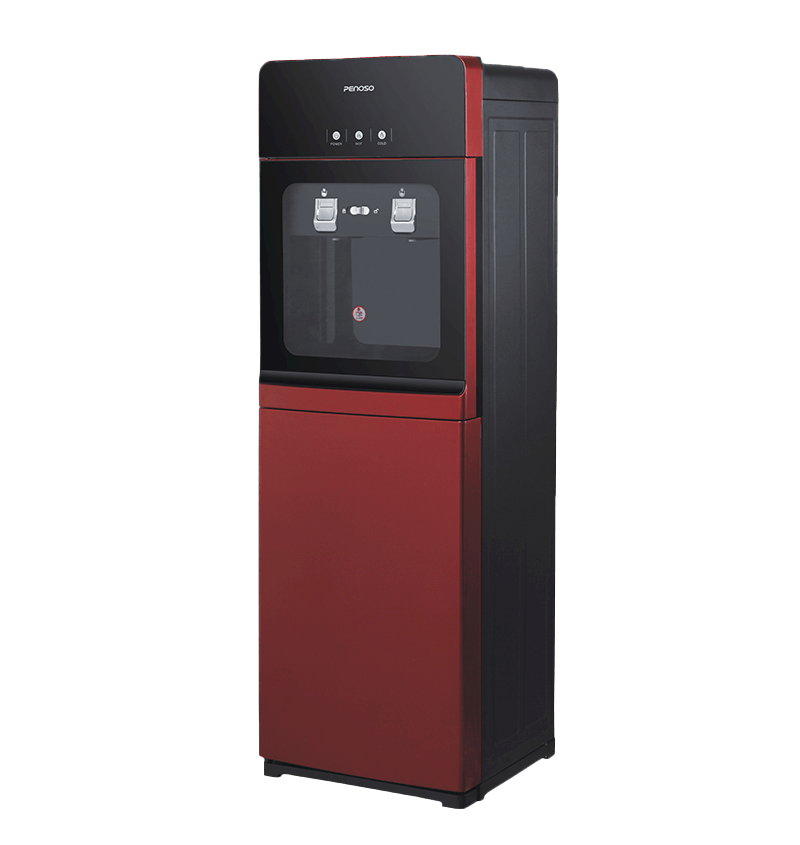 Freestanding RO Water Dispenser with Compressor and Stainless Steel TankThis freestanding dispenser connects to a filtered supply, offering hot and cold water with stainless steel construction and anti-scalding features, ideal for pediatric wards and isolation rooms.View Product →
Building a Water Management Plan
A safe hospital water system is not a one-time engineering achievement; it is an ongoing process. The CDC and other public health agencies recommend appointing a water management team with members from engineering, infection prevention, and clinical services. The team should develop a water system map, identify at-risk areas, and establish routine sampling points.
The plan should include action thresholds. For example, if a Legionella culture from a routine swab exceeds a specified level, the team must respond with repeat sampling, hyperchlorination or another disinfection step, and an investigation of the source. It is equally important to keep a low threshold for patient safety: if a case of hospital-acquired Legionnaires' disease is suspected, the response should begin before laboratory confirmation.
Digital monitoring tools can help. Flow sensors, temperature loggers, and automated flushing systems generate data that can be reviewed remotely. But data alone is not enough. The people who interpret the data need to understand the building's hydraulic behavior and the clinical consequences of a system failure.
Hospital water systems deserve the same level of attention as other mission-critical infrastructure. By understanding the biological risks, applying sound hydraulic design, and maintaining a disciplined monitoring program, hospitals can protect patients from a quiet but persistent source of harm. The goal is not just to meet regulatory expectations; it is to ensure that the water coming out of every tap supports healing instead of undermining it.
.jpg "Self Cleaning Bottom Loading Water Cooler Water Dispenser - 3 Temperature Settings PS-SLR-812B")