 English
 عربى
 Português
 Español
Two emails arrive in the same afternoon. One mentions a water dispensor, the other asks for a water dispencer. The machine they are describing is the same one the factory calls a water dispenser. This spelling problem appears in product listings, purchase orders, and spec sheets more often than anyone expects. The direct answer is simple: the correct spelling is d-i-s-p-e-n-s-e-r. It contains no c, nothing ends with -or, and both s's have a purpose.
Once you see how the word is assembled, the spelling becomes hard to forget. Dispenser belongs to the same pattern as provider, deliverer, and remover: a base verb plus the suffix -er. The verb here is dispense, which means to hand out or distribute. Keep that verb in mind, and the whole word follows naturally.
Where the Word Dispenser Comes From
English spelling becomes more reliable when you know the history behind a word. Dispenser traces back to the Latin verb dispensare, which meant to weigh out, distribute, or manage. The Romans built that verb from two pieces: the prefix dis-, meaning apart, and pensare, meaning to weigh. From Latin, the word moved into Old French as dispenser, then into Middle English, and finally gave us the modern verb dispense.
From dispense, the step to dispenser is short. English regularly adds -er to a verb to name the thing or person that performs the action. A dispenser is something that dispenses, just as a provider provides and a remover removes. The structure below shows the three building blocks of the word:
The word's Latin parts also explain the two s's. The first s is the final letter of the prefix dis-. The second s is part of pens-. When those pieces came together in Latin as dispensare, the s sequence stayed in place, and it has survived in English ever since. Every word in the same family, including dispense, dispensary, dispensation, and dispenser, keeps it. There has never been a c in this word.
The Most Common Misspellings and How to Avoid Them
Most misspellings are not random. Writers borrow an ending or a letter pattern from other English words that sound similar. The three errors below come up most often in emails, marketplace listings, and order forms.
| Misspelling | Why it happens | Memory aid |
|---|---|---|
| dispensor | The ending -or is common in device names. | Dispense + -er = dispenser. |
| dispencer | The soft s sound is written as a c. | Dispense keeps an s, never a c. |
| dispensar | The -ar ending looks plausible to writers familiar with other languages. | English verbs that take -er keep -er. |
The most frequent error is dispensor, because many device names end in -or, such as compressor, conveyor, and radiator. The ear hears the same final sound, so the hand writes -or. The second most common error is dispencer, where the soft s sound is written with a c the way it is in pence or fence. The chart below compares how often these forms appear in search and order-entry data:
Bar lengths are illustrative. Exact percentages vary by region and platform, but the ordering is consistent: dispensor appears most often, dispencer comes second, and the other variants trail behind.
None of these variants cause real confusion in conversation, but in writing they matter. A search for dispenser will not show results titled dispensor, and a customer who types one spelling may miss listings that use the other. For anyone who buys or sells appliances, this is not a grammar lecture. It is a practical search-and-matching problem.
Memory Tricks That Work
- Start from the verb dispense. Remove the final e, then add -er. Dispense becomes dispenser, and every letter falls into place.
- Say the word slowly in three beats: dis-PEN-ser. The last beat is ser, so write s-e-r, never sor, cer, or sar.
- Keep a family list: dispense, dispenser, dispensary. All three use an s in the middle, and none of them contains a c.
What a Dispenser Means, and the Water Dispenser Types You Will Encounter
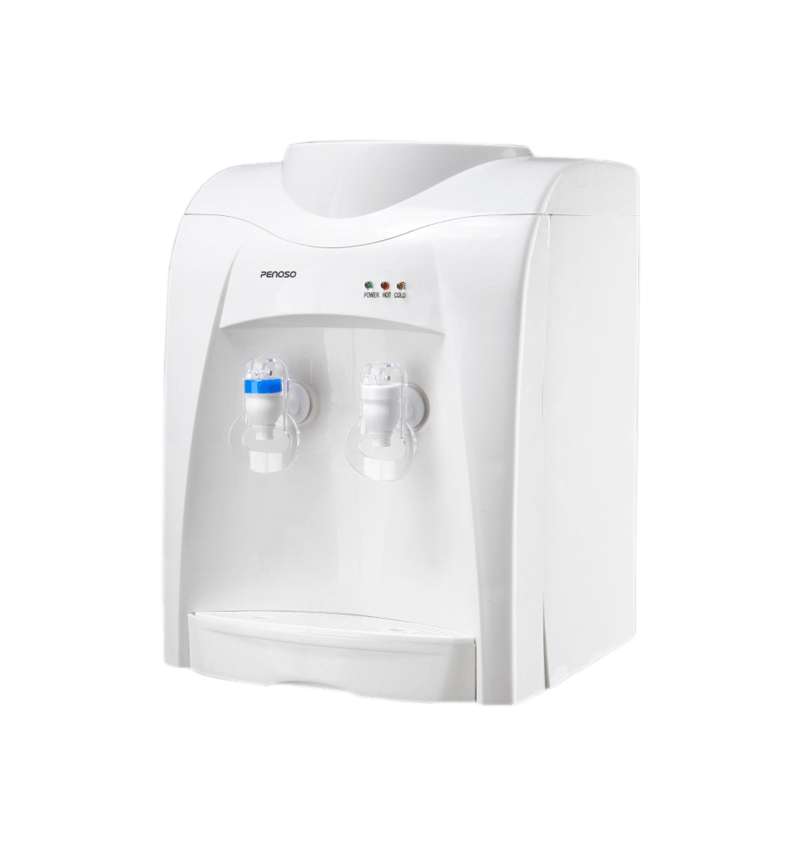
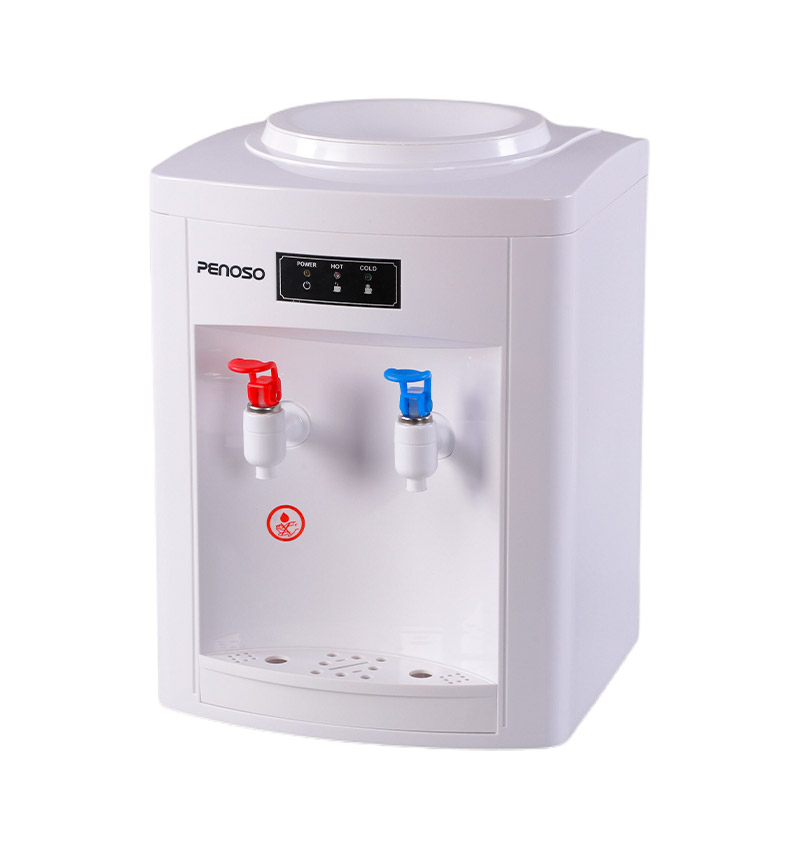
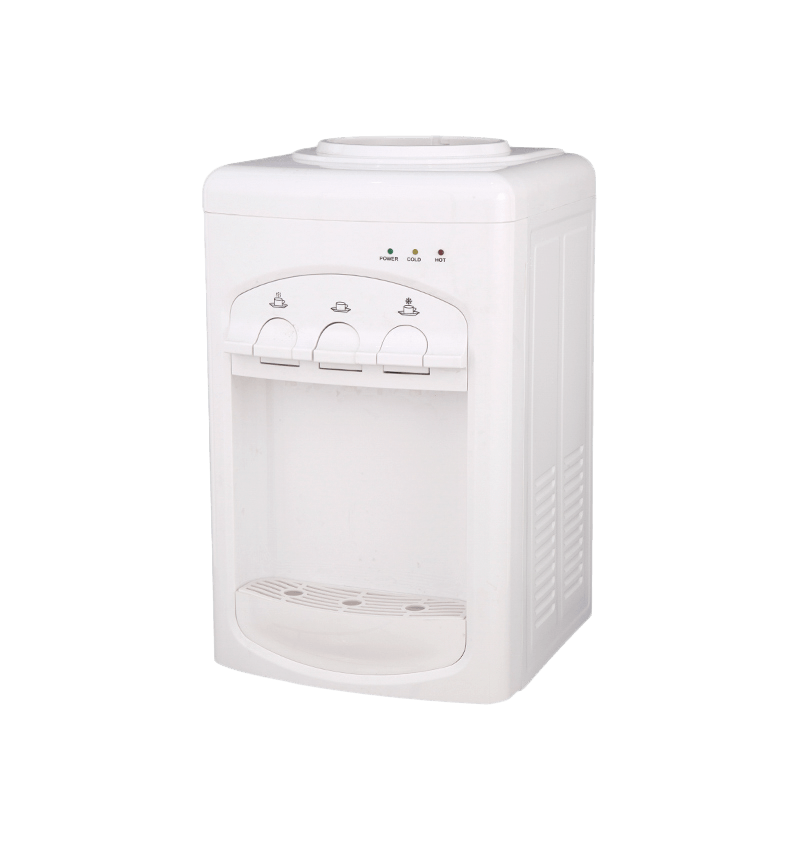
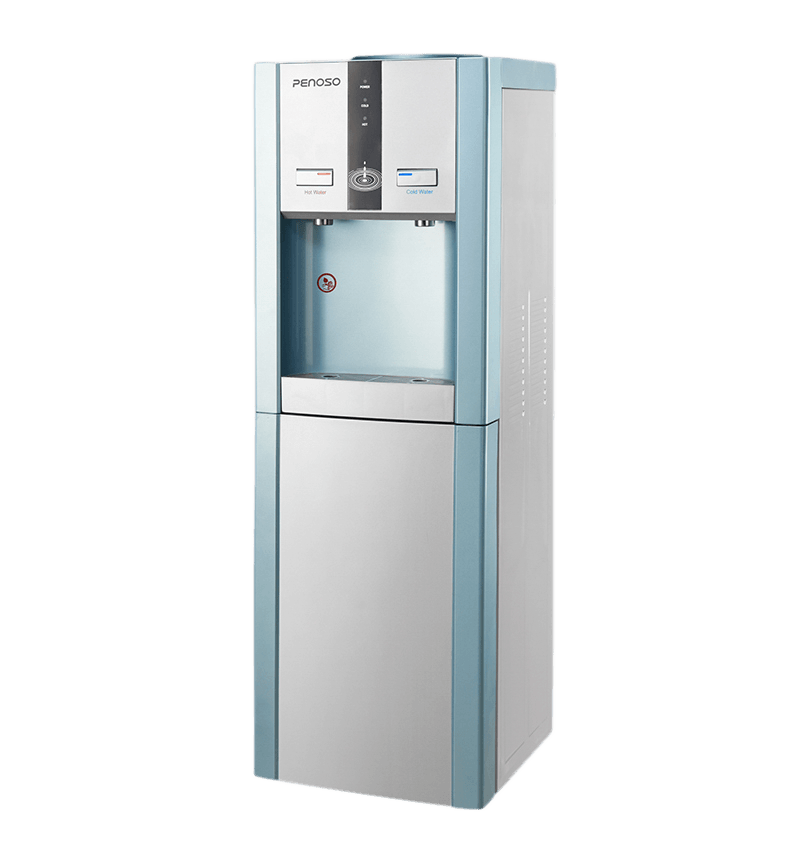
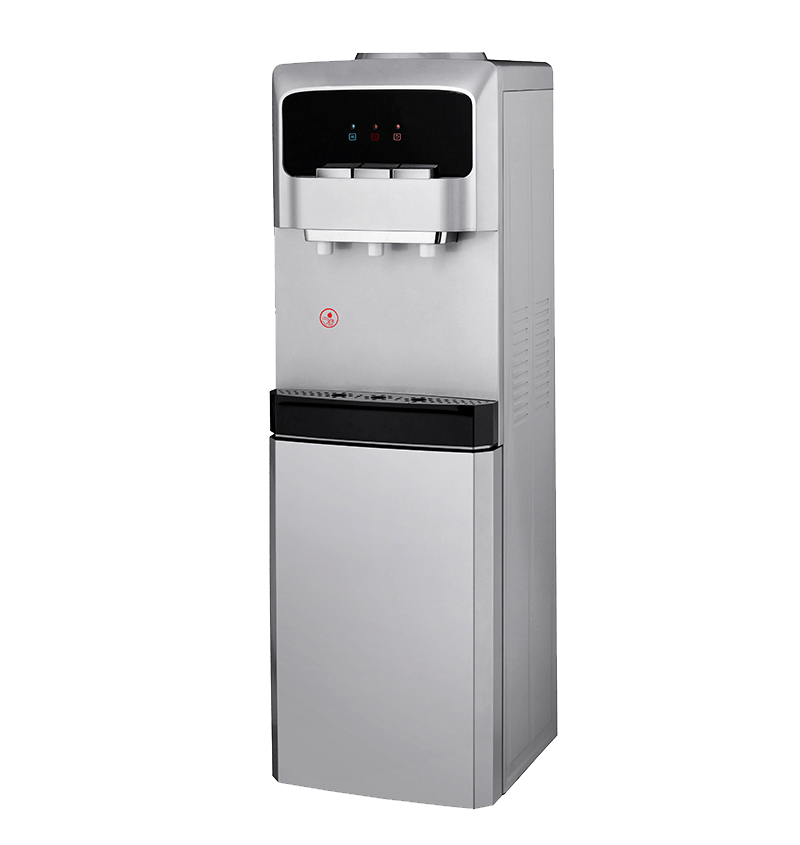
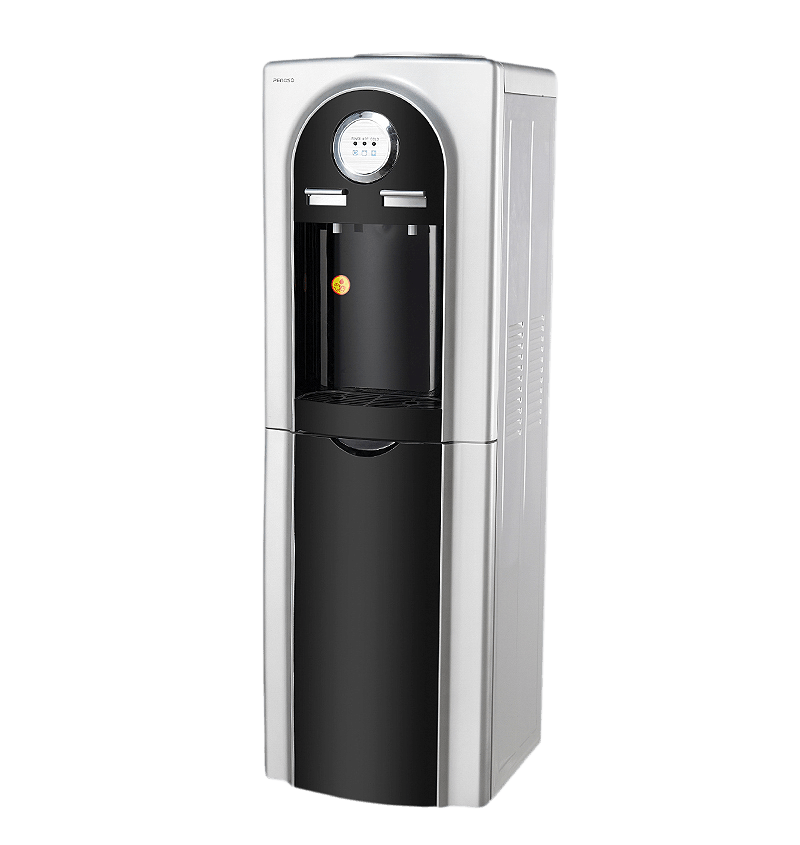
In ordinary English, a dispenser is any device that releases a controlled amount of something. Soap dispensers, tape dispensers, drink dispensers, and pill dispensers all fit the same definition. In the home appliance industry, the word is most often used for a water dispenser: a machine that provides drinking water at a chosen temperature, usually hot, cold, or room temperature.
If you are sourcing water dispensers from a manufacturer or supplier, you will find the category split into types based on how water reaches the unit and how the unit delivers it. The table below lists the main types that appear in product catalogs.
| Type | Typical setting | What sets it apart |
|---|---|---|
| Bottled water dispenser | Homes and offices | Uses a removable water bottle placed on the top or at the base. |
| Countertop dispenser | Small kitchens and break rooms | Compact footprint; sits on a counter or table. |
| Point-of-use dispenser | Kitchens and workplaces | Plumbed into the water line; no bottle to replace. |
| Instant hot water dispenser | Tea rooms and offices | Heats water quickly for tea, coffee, or instant meals. |
| RO water dispenser | Areas with hard or poor-quality water | Includes built-in reverse osmosis filtration. |
Every one of these machines is still spelled dispenser. In a factory catalog, a model labeled bottom-load water dispensor will not match a search for dispenser, which is why manufacturers, importers, and distributors need to standardize product names.
One naming note: in North America, a bottled water dispenser is often called a water cooler. In Europe, Asia, and Africa, water dispenser is the more common term. Both names describe the same product category, and both need to be spelled correctly in your documents and listings.
Why Correct Spelling Matters When You Are Sourcing or Documenting
Spelling consistency can sound like a small matter, but it has real effects in purchasing and product documentation.
Consider a request for quotation. A buyer writes 20 countertop water dispensers, hot and cold, 220-240 V. The supplier can quote immediately. Write dispensors instead, and the document still delivers the message, but it adds a small moment of uncertainty. Multiply that moment by every product on every line, and typos become a quiet source of delays, clarification emails, and even wrong shipments.
The same logic applies to product listings. Online marketplaces match titles and descriptions against search terms. A listing titled water dispensor is understandable to a human shopper, but it loses search traffic to listings with the correct spelling. Customs paperwork uses the same rule. If a certificate of conformity names a dispenser and the packing list says dispensor, an inspector can pause the whole shipment while the discrepancy is checked.
For a manufacturer exporting to South America, Africa, Southeast Asia, Eastern Europe, or the Middle East, where English is often the shared language of documentation, one consistent spelling across catalogs, invoices, and packing lists prevents small mistakes at every step.
These habits keep spelling errors out of commercial documents:
- Add dispenser, dispense, and dispensary to your browser or spell-checker dictionary so the correct forms are never marked or changed automatically.
- When researching suppliers or products, search for both dispenser and dispensor occasionally, because not every seller uses the correct spelling.
- Use full model terms in RFQs and purchase orders, such as countertop water dispenser or bottom-load water dispenser, so the supplier knows exactly what you want.
- Keep a short glossary of frequently misspelled appliance terms: dispenser, purifier, filtration, thermostat, replacement. Ask your team to follow it in all written communication.
So, how do you spell dispenser? D-I-S-P-E-N-S-E-R. There is no c, the ending is -er, and the two s's come from the word's Latin parts, dis- and pens-. Now that you know the building blocks and the common traps, the spelling is no longer a guess. You can write it with confidence in an email, a purchase order, or a product listing.