 English
 عربى
عربى Português
 Español
Introduction to Bottled Loading Water Dispensers
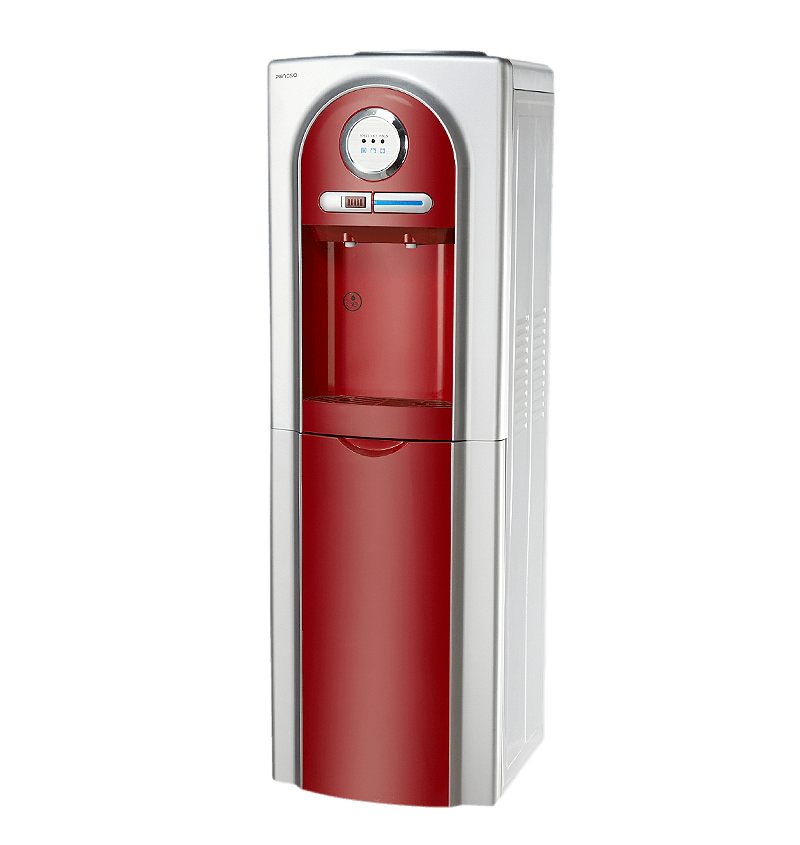
Bottled loading water dispensers are widely used in homes, offices, and public spaces to provide convenient access to drinking water. These dispensers typically accommodate large water bottles and use either manual or automatic mechanisms to deliver water. When evaluating their suitability for long-term use, factors such as environmental friendliness, non-toxicity, corrosion resistance, and heat resistance are critical. These characteristics ensure user safety, durability, and sustainability, making them important criteria for consumers and facility managers.
Environmental Friendliness
The environmental impact of bottled loading water dispensers largely depends on the materials used in their construction and the manufacturing process. Many modern dispensers use recyclable plastics or stainless steel components, which can be recycled at the end of their lifecycle. Energy-efficient refrigeration and heating elements also contribute to reduced electricity consumption. By selecting dispensers with recyclable materials and low energy usage, manufacturers and users can reduce the environmental footprint of water dispensers while maintaining convenience and functionality.
Non-Toxic Materials
Non-toxic materials are essential for ensuring the safety of drinking water. High-quality water dispensers are constructed with food-grade plastics or stainless steel that do not release harmful chemicals such as BPA or phthalates. The internal components that come into contact with water, including tubing, spouts, and tanks, are designed to prevent leaching of chemicals into the water. Regular testing and compliance with safety standards are necessary to guarantee that the dispenser is safe for long-term consumption.
Corrosion Resistance
Corrosion resistance is a critical feature for maintaining the longevity and hygiene of bottled loading water dispensers. Dispensers are exposed to water and humidity, which can lead to rust or degradation in low-quality materials. High-grade stainless steel, corrosion-resistant coatings, and treated plastics help prevent deterioration. Corrosion resistance ensures that the dispenser remains structurally sound, maintains water purity, and minimizes the risk of microbial growth on metal surfaces over time.
Heat Resistance
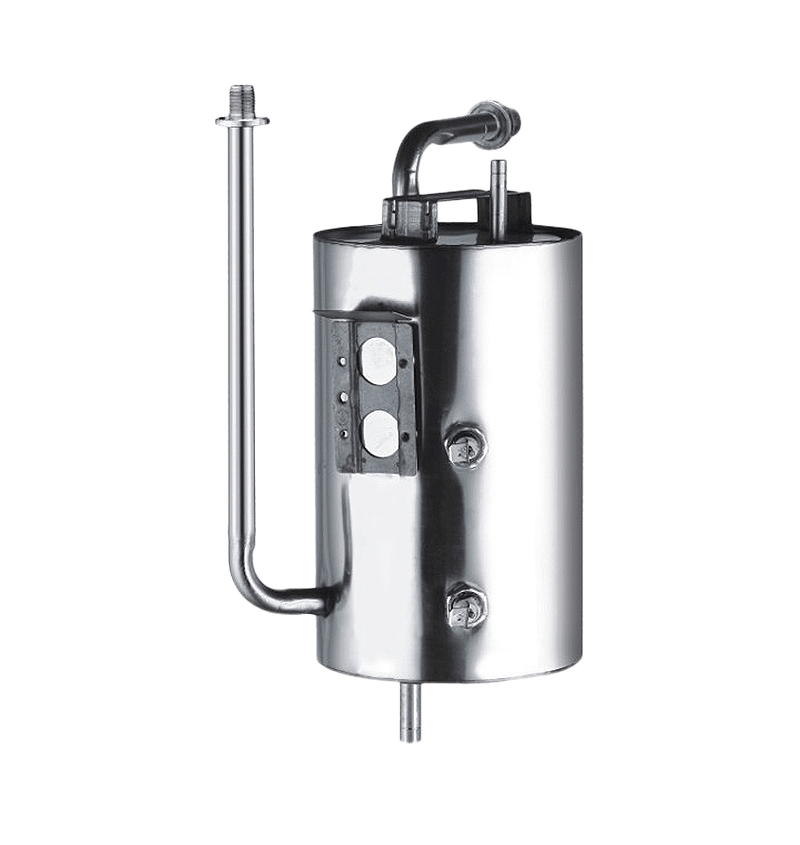
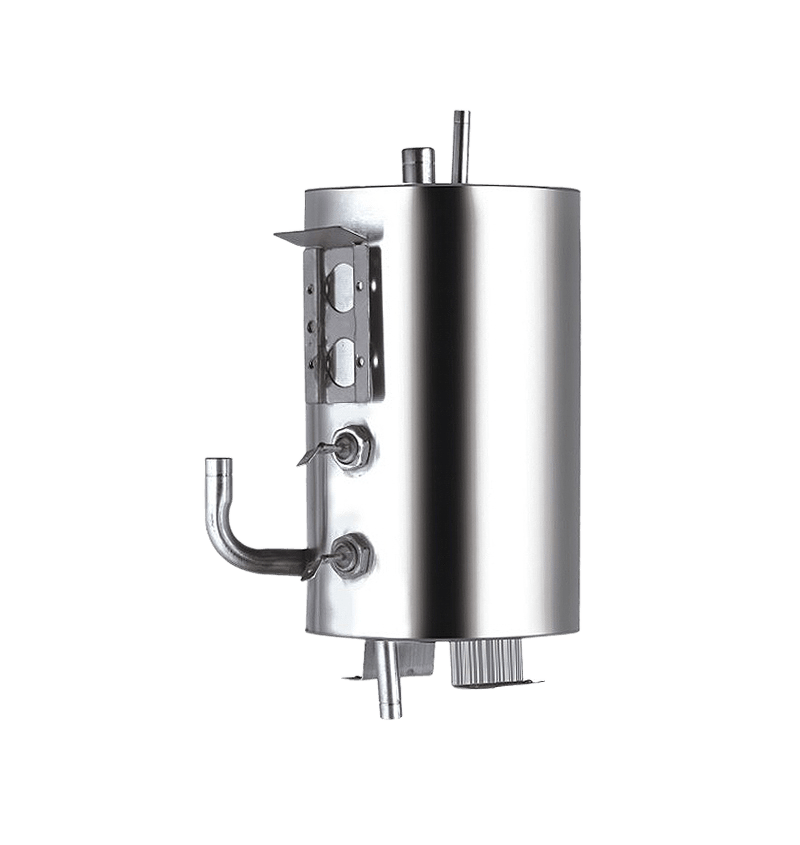
Heat resistance is important for dispensers that provide both hot and cold water. Internal tanks, heating elements, and external components must withstand high temperatures without deforming or releasing harmful substances. Heat-resistant plastics and stainless steel materials ensure that the dispenser functions safely when delivering hot water for beverages or cooking. Proper heat resistance also contributes to the durability of the unit, reducing the likelihood of damage during extended use.
Key Features and Their Benefits
| Feature | Description | Benefit |
|---|---|---|
| Environmental Friendliness | Use of recyclable materials and energy-efficient components | Reduces environmental impact and supports sustainability |
| Non-Toxic Materials | Food-grade plastics and stainless steel construction | Ensures safe drinking water and prevents chemical leaching |
| Corrosion Resistance | Stainless steel, treated metals, and resistant plastics | Maintains structural integrity and water hygiene over time |
| Heat Resistance | Materials designed to withstand high temperatures | Supports hot water dispensing and prolongs component lifespan |
| Durable Design | Reinforced structural components and protective coatings | Reduces maintenance needs and extends service life |
Material Selection and Its Impact
The choice of materials in bottled loading water dispensers directly affects their safety, durability, and environmental footprint. Food-grade plastics provide lightweight and affordable construction while ensuring non-toxicity. Stainless steel offers enhanced corrosion and heat resistance, making it suitable for long-term use. Combining these materials strategically allows manufacturers to balance cost, safety, and performance. Consumers can select dispensers based on their specific needs, whether prioritizing sustainability, durability, or ease of maintenance.
Maintenance Practices for Longevity
Proper maintenance is essential to preserve the environmental, safety, and performance qualities of a water dispenser. Regular cleaning of the water tank, spouts, and drip trays prevents bacterial growth and keeps the water tasting fresh. Inspecting and replacing worn components such as tubing or seals helps maintain corrosion and heat resistance. Following manufacturer guidelines for periodic maintenance ensures that the dispenser continues to operate safely and efficiently over years of use.
Operational Safety Considerations
Beyond material selection, operational practices influence the safety and longevity of bottled loading water dispensers. Avoiding overfilling, maintaining stable power supply, and monitoring temperature settings can prevent mechanical strain and reduce the risk of leaks or component failure. Safe handling of hot water dispensed from the unit is also critical to prevent burns. By combining safe operational practices with the inherent features of the dispenser, users can enjoy reliable performance without compromising water quality or personal safety.
Common Risks and Mitigation Strategies
| Potential Issue | Cause | Mitigation |
|---|---|---|
| Plastic Deformation | Exposure to high temperature or low-quality plastics | Use heat-resistant, food-grade plastics and avoid prolonged heat exposure |
| Corrosion | Humidity, water contact, or poor-quality metals | Use stainless steel and protective coatings; regular cleaning |
| Bacterial Growth | Residual water, poor cleaning, stagnant liquid | Routine cleaning, sanitization, and water replacement |
| Odor Development | Residual beverages or mineral deposits | Thorough cleaning and occasional descaling |
| Energy Inefficiency | Old refrigeration or heating elements | Choose energy-efficient units and maintain components regularly |
Environmental and Material Properties
Bottled loading water dispensers are designed to balance convenience, safety, and environmental considerations. By using non-toxic, corrosion-resistant, and heat-resistant materials, these dispensers provide safe drinking water while remaining durable and environmentally conscious. Proper maintenance and adherence to operational best practices further ensure that the units continue to perform effectively over long-term use. Choosing dispensers with these features helps maintain water quality, reduces waste, and supports sustainable use in both domestic and commercial settings.