 English
 عربى
عربى Português
 Español
The first shot of the day tells you everything about your water. If it tastes flat, metallic, or slightly bitter, no amount of specialty beans will save the cup. Coffee shops invest in grinders, scales, and training, but the most overlooked ingredient is the one that makes up 98 percent of every drink: water. And as more cafe owners test their supply, a new contaminant has started showing up on lab reports: PFAS.
The conclusion up front: if you are designing a filtration system for a coffee shop and need to remove PFAS reliably, reverse osmosis is the best defense. Activated carbon helps at low concentrations, but it is not a complete barrier. That point matters because PFAS behave differently from chlorine or sediment. They are extremely stable, partly water-soluble, and some short-chain variants slip through ordinary carbon blocks. This article explains why PFAS appear in coffee shop water, what to look for in a filtration system, and how to keep your equipment working properly over time.
Why PFAS Is a Coffee Shop Water Problem
PFAS, or per- and polyfluoroalkyl substances, are a large family of manufactured chemicals used to make surfaces grease-proof, water-resistant, and nonstick. They have been used for decades in food packaging, firefighting foam, industrial coatings, and some household products. The reason they get the nickname "forever chemicals" is that the carbon-fluorine bond is extremely strong, so they do not break down easily in the environment. Rain, runoff, and wastewater discharge carry them into rivers and groundwater. That means the municipal water entering your cafe may already carry trace concentrations, even if the local utility meets legal guidelines.
Why should a coffee shop care more than, say, a sandwich shop? Because coffee is an extraction process. Hot water passes through ground coffee under pressure, and it pulls out flavor compounds along with whatever is dissolved in the water. PFAS are not destroyed by heat, boiling, or standard brewing. Some studies suggest that coffee brewing can accumulate certain PFAS in the finished cup, depending on water chemistry and filter design. Even at levels below current health advisories, repeat exposure adds up for staff who taste and drink espresso all day.
There is also a quality angle. PFAS contamination is often accompanied by other dissolved solids and organic compounds that can make water taste dull or chemical. If you are chasing a clean, crisp espresso profile, water that carries stubborn contaminants will mask the origin of the beans. You can adjust grind and ratio, but you cannot tune away a flavor defect that comes from the water itself.
Which Filtration Technologies Actually Reduce PFAS
Not all filtration is equal when it comes to PFAS. Traditional sediment filters and basic carbon filters were not designed with these compounds in mind. The table below shows the practical differences between the systems you will see in a commercial coffee shop setup.
| Technology | PFAS reduction | Strengths | Limitations |
|---|---|---|---|
| Sediment / microfiltration | Negligible | Protects downstream equipment | Does not remove dissolved PFAS |
| Granular activated carbon (GAC) | Partial, more effective for long-chain compounds | Good for chlorine and taste | Short-chain PFAS can leak; need frequent media replacement |
| Carbon block | Better than GAC with proper contact time | Compact and easy to service | Performance varies by brand and flow rate |
| Anion exchange resin | Good for some ionic PFAS | High capacity | Regeneration and disposal issues |
| Reverse osmosis (RO) | High reduction, typically 90-99% + | Removes many other contaminants at once | Cost, waste water, requires maintenance |
For a busy cafe, the practical winner is almost always a multistage system that starts with sediment and carbon filtration to protect the membrane, followed by reverse osmosis to handle PFAS and other dissolved contaminants. Reverse osmosis water purification systems push feed water through a semipermeable membrane, rejecting over 99% of many ions and larger organic molecules. That includes both legacy PFAS compounds like PFOA and PFOS, and several replacement chemicals used in recent years.
When comparing systems, look for an independent certification such as NSF/ANSI 53 (for PFOA/PFOS reduction) or NSF/ANSI 58 (for RO systems). A filter that claims "PFAS reduction" in marketing material without a certification will usually rely on a specific carbon block, which may only work under perfect pressure, flow, and temperature conditions. Real-world coffee shops have variable pressure and high draw volume, so over-specifying the membrane and carbon pre-filter is safer than assuming a small under-sink unit will cope.
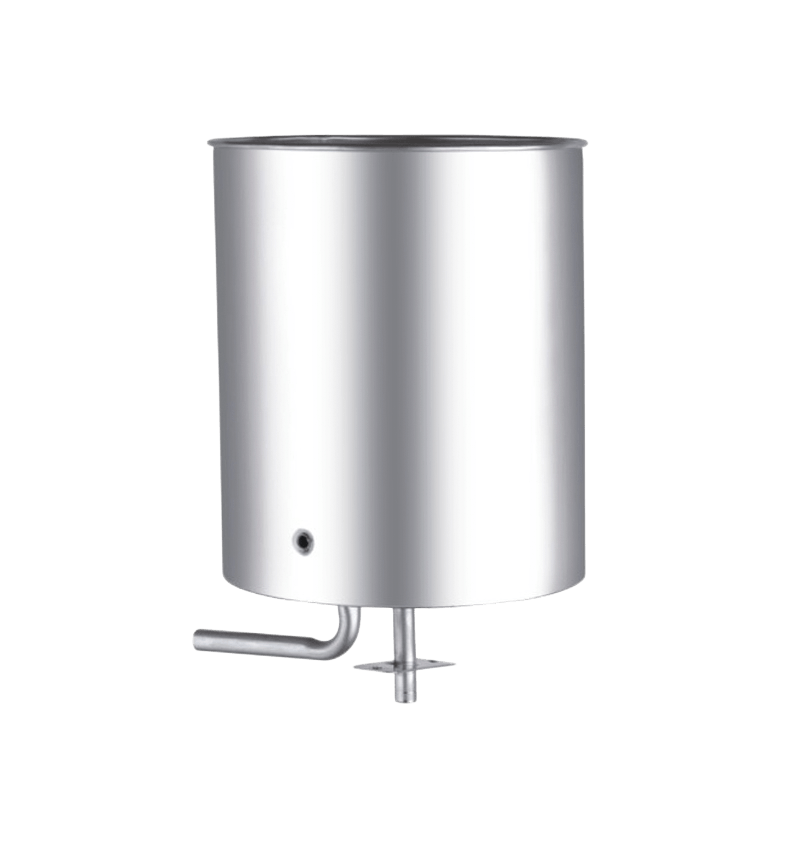
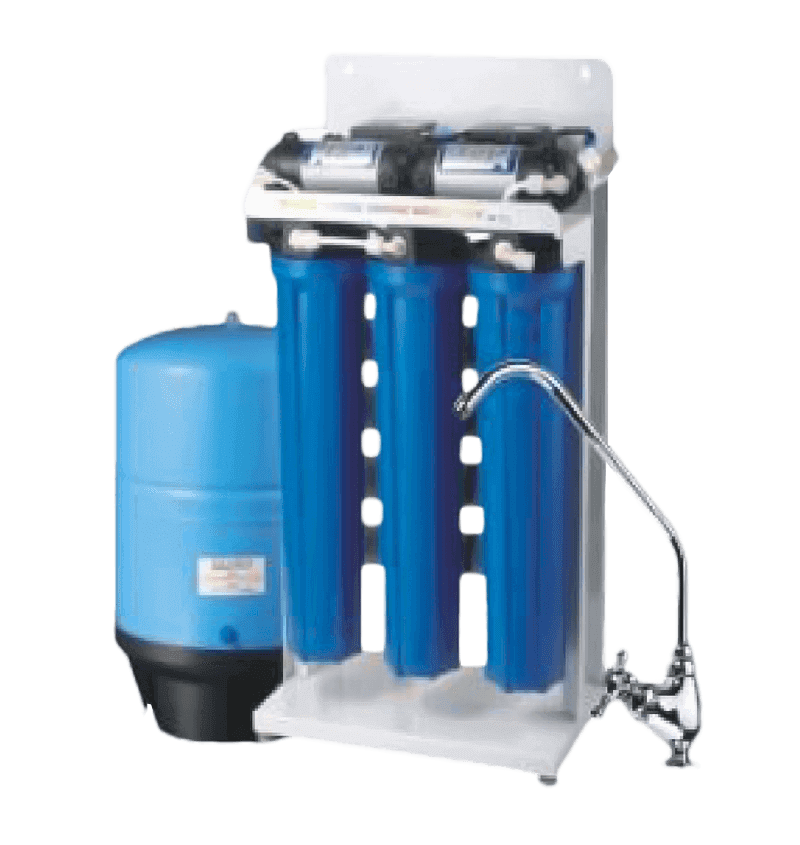 Five-Stage Reverse Osmosis System with 11G Pressure TankThis RO system uses five filter stages including sediment, carbon, and membrane elements, with an automatic flushing function and a steel storage tank. It is relevant when considering a robust solution for reducing PFAS and other dissolved solids in coffee shop water.View Product →
How to Build a PFAS-Focused Filtration Setup for Your Shop
Start with a water test. You cannot choose the right technology without knowing the feed water quality. Send a sample to a certified lab that tests for PFAS, plus common coffee shop parameters such as hardness, alkalinity, total dissolved solids, and chlorine. If PFAS is above the detection limit, reverse osmosis should be the core of your system. If levels are low but you still want peace of mind, a heavy-duty carbon block with certified PFAS reduction may be enough, though you should plan to replace it more often.
The next decision is system flow rate. A typical coffee shop pulls water for espresso, drip brewers, and hot water taps. An RO membrane rated at 50 gallons per day is designed for a kitchen faucet, not a commercial bar. You may need a storage tank and a booster pump to keep up with peak demand. Otherwise, the membrane will produce water slowly while the tank drains, and you will end up mixing filtered water with unfiltered water, defeating the purpose.
Another practical consideration is where the system sits. RO systems produce a waste stream; check whether your local plumbing and drain capacity can handle the volume. In a tight cafe, a system that recycles reject water or uses a higher-efficiency membrane reduces operating cost and environmental impact.
Once the system is installed, verify the actual PFAS reduction with a follow-up test. Many cafes are surprised to find their TDS meter reads almost zero, but that only tells you general dissolved solids. PFAS detection requires specialized lab analysis. Keep a log of filter change dates and always use cartridges that are compatible with the system manufacturer. In some cases, aftermarket filters are cheaper but may not match the original flow specifications, resulting in channeling or reduced contact time.
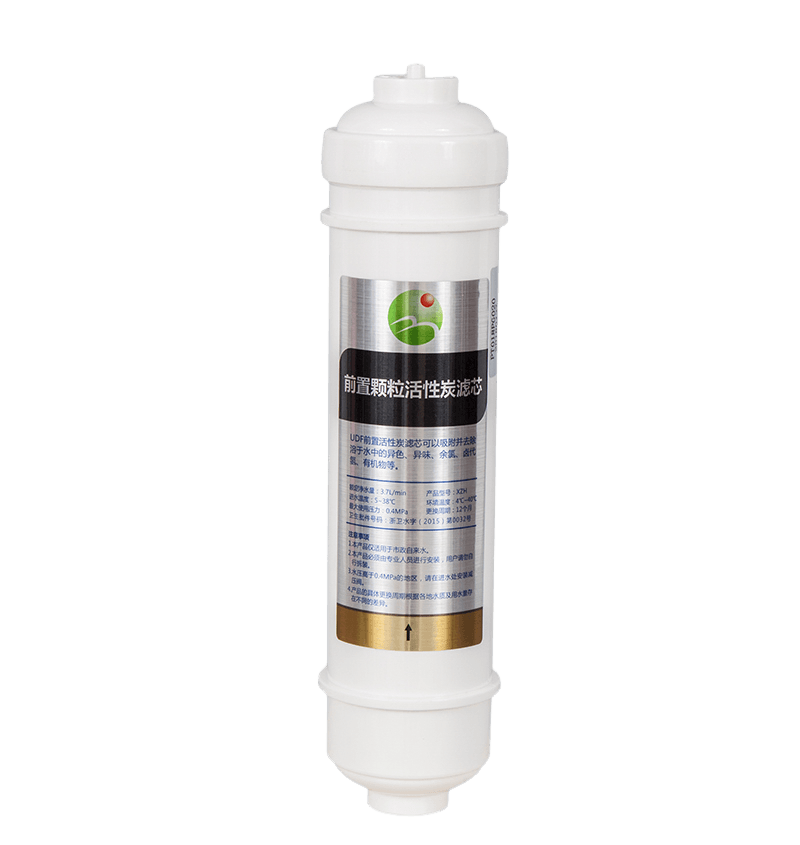
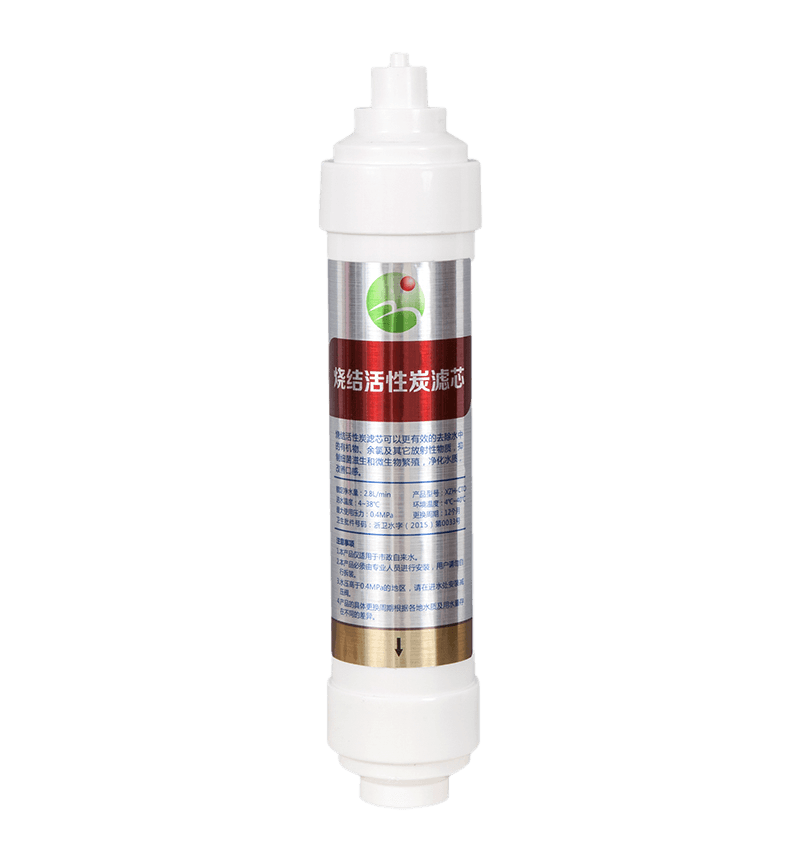 Replacement CTO Carbon Block Filter CartridgeThis CTO filter is a carbon block stage designed for water purification systems, helping remove chlorine, odor, and organic contaminants. It matters here as a reminder that pre-filters need regular replacement to protect the RO membrane and maintain consistent water quality.View Product →
Ongoing Maintenance and Staff Awareness
Filtration is not a one-time investment. The media and membranes will accumulate contaminants and eventually exhaust. For carbon pre-filters, follow the manufacturer's recommended replacement interval, usually three to six months, and be more aggressive if your source water has high organic load. RO membranes can last a few years if the pre-filters protect them, but you should monitor permeate flow and TDS rejection. If the rejection ratio drops, it is time for a new membrane.
Train your team to notice changes in taste and flow rate. If an espresso shot pulls oddly fast or the water tastes like "cardboard," it is often a sign that the carbon filter is exhausted. A routine tasting of filtered water every morning catches problems before they enter the cup. Also, make sure the water heater and brew basket are descaled regularly; scale can harbor biofilm and create off-flavors that mask or mimic contamination.
Finally, keep your baseline documentation. The coffee shop that can show a water quality report, a system specification sheet, and a maintenance log is in a stronger position if a customer asks about water safety. In an era where PFAS lawsuits are making headlines, a simple record of proactive testing and certified filtration demonstrates that you take the issue seriously. It also protects the business by making it easier to prove due diligence if a water quality dispute ever arises.
- Test feed water for PFAS before choosing a filter.
- Choose certified carbon or RO systems and check the NSF standard.
- Replace pre-filters on time; use compatible household water treatment equipment parts for consistency.
- Verify PFAS removal with a lab test after installation.
- Log every service visit and membrane change.
PFAS in coffee shop water is not a problem you can solve with a clever brewing recipe or a premium bean. The solution starts with a water test, a targeted filtration design, and a commitment to maintenance. For a coffee shop that wants the highest level of protection and a clean flavor canvas, reverse osmosis combined with sediment and carbon prefiltration is the standard that leaves the least room for doubt. If you are planning a new cafe or upgrading an existing bar, invest in the water system before the espresso machine. Your customers will taste the difference, and you will sleep easier knowing the water you serve is as clean as possible.