 English
 عربى
عربى Português
 Español
General Overview of Water Dispenser Loading Designs
Water dispensers are commonly classified by how the water bottle is positioned and how water is drawn into the internal system. Among the most widely used designs are top-loading and bottom-loading water dispensers. Each structure reflects different priorities in usability, maintenance, aesthetics, and internal cooling configuration. Understanding these differences helps buyers align equipment selection with real-world usage scenarios in homes, offices, healthcare facilities, and commercial spaces.
Structural Design and Bottle Placement Logic
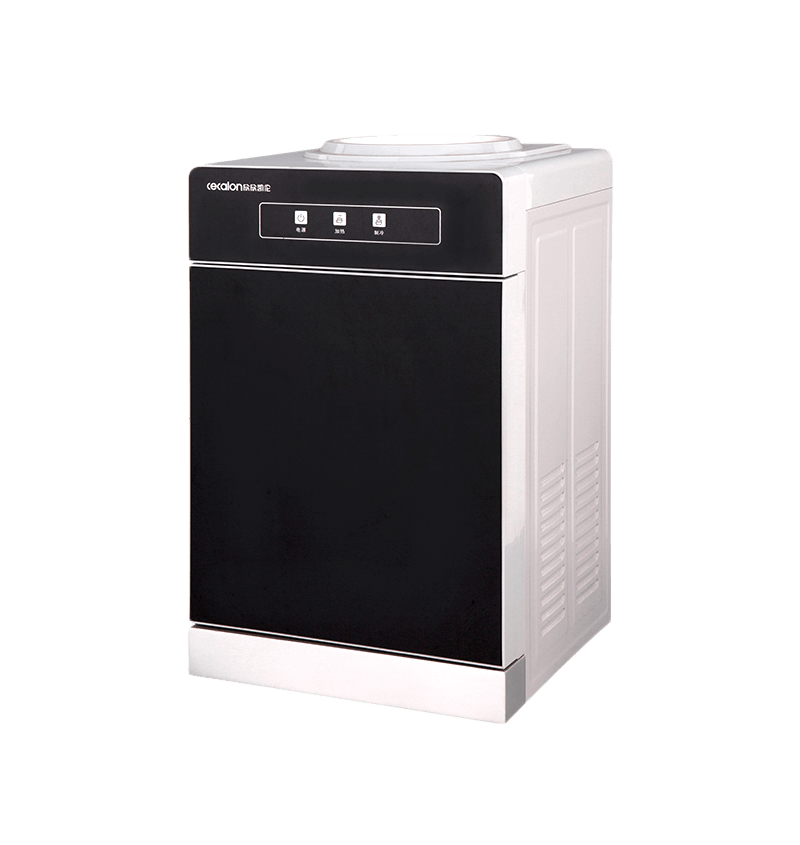
A top loading water dispenser places the water bottle upside down on the upper section of the unit. Gravity allows water to flow directly into the internal reservoir once the seal is broken. This structure is mechanically simple and has been used for decades due to its straightforward operation.
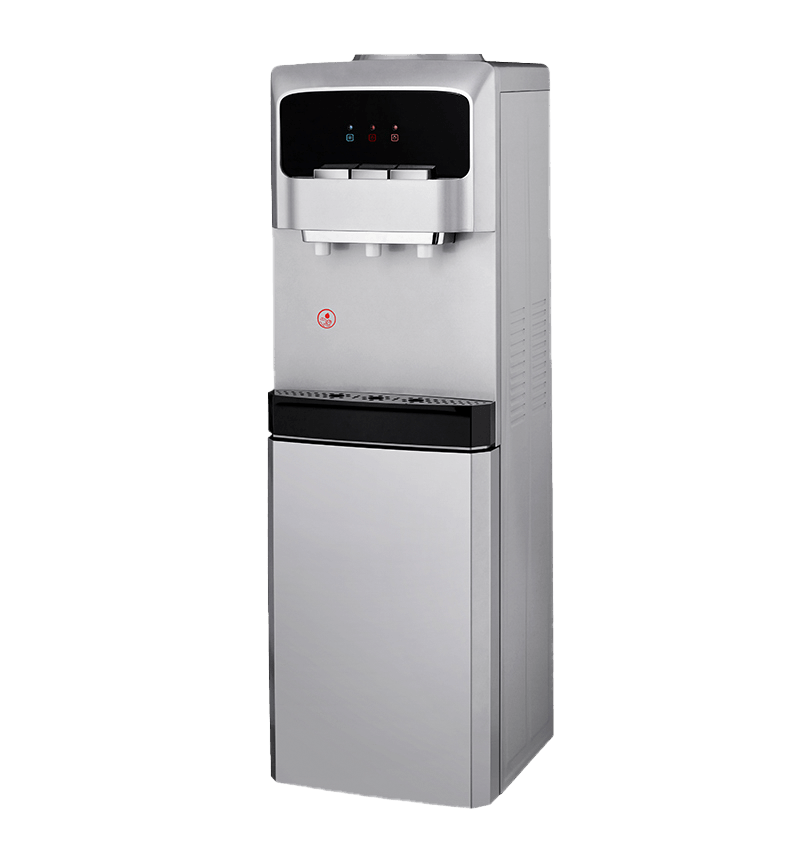
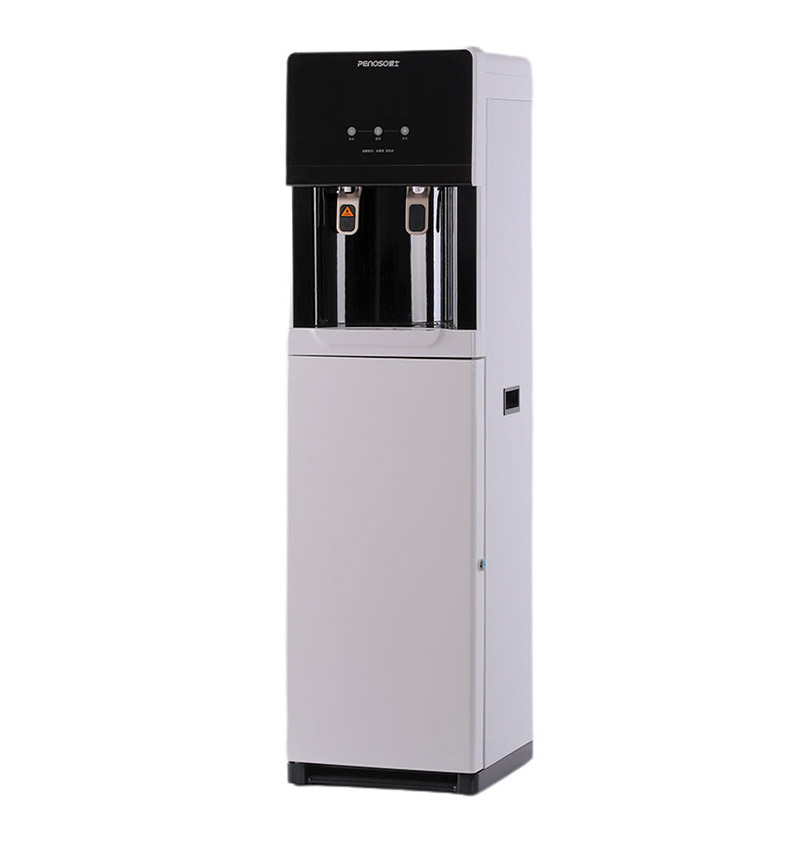
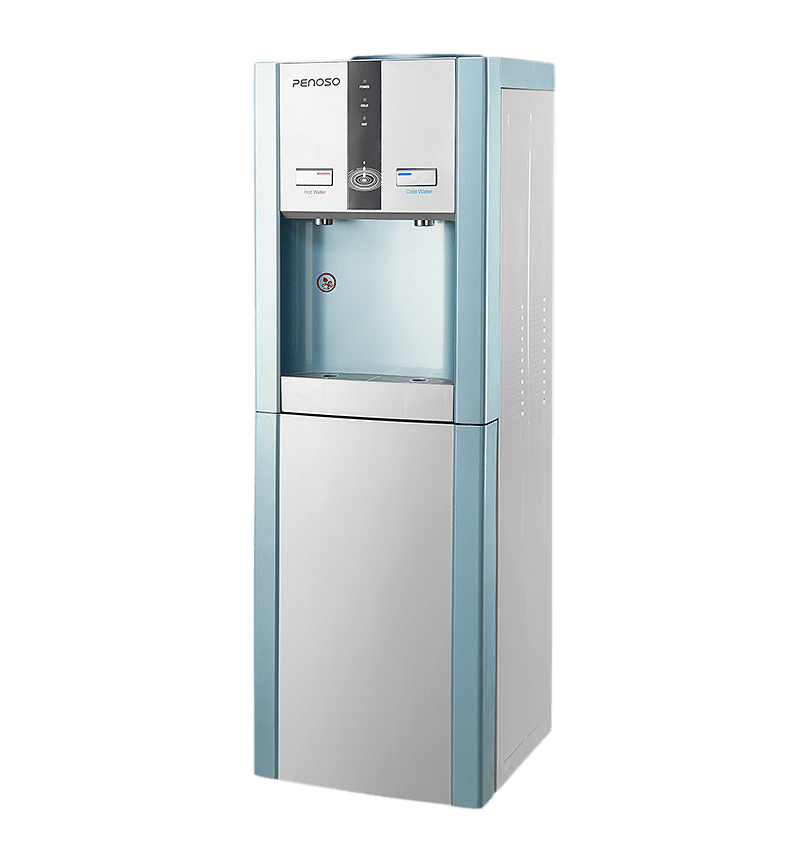
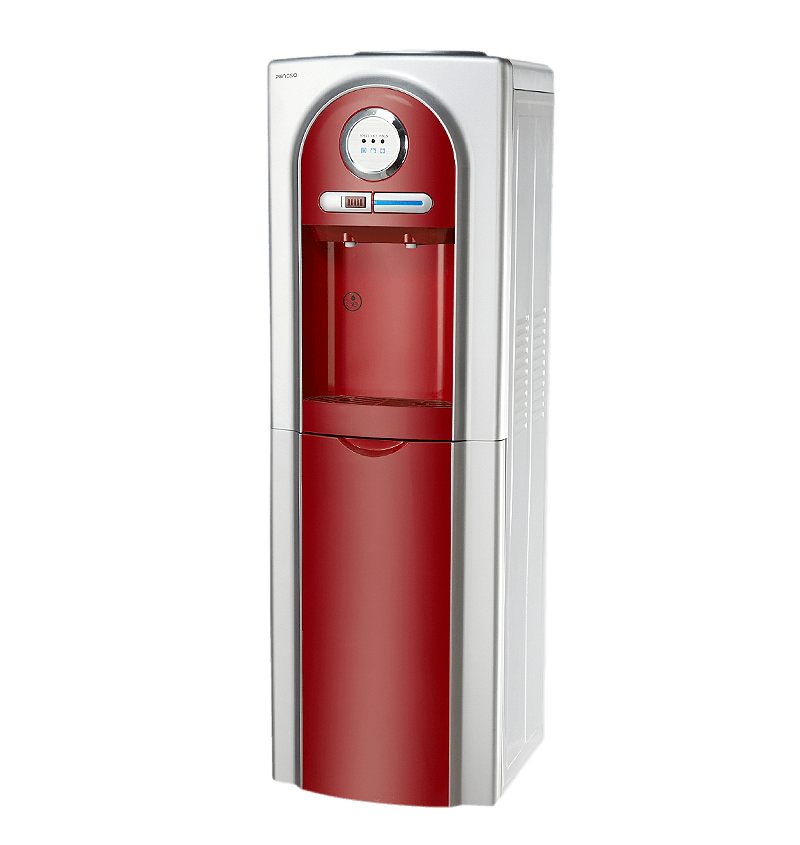
In contrast, a bottom-loading design houses the bottle inside a lower cabinet. A pump system draws water upward into the dispensing system. This arrangement conceals the bottle from view and shifts the mechanical complexity from gravity-based flow to controlled pumping.
Impact on User Handling and Ergonomics
User interaction differs notably between the two designs. With a top loading water dispenser, lifting a full bottle onto the top requires physical strength and balance. This can be inconvenient in environments where users frequently replace bottles or where staff have varying physical capabilities.
Bottom-loading models reduce lifting strain by allowing bottles to be slid or placed directly into the lower compartment. This ergonomic advantage often makes them more suitable for offices, healthcare settings, and public spaces where safety and ease of use are important considerations.
Internal Water Transfer Mechanisms
The water transfer process defines a core functional difference. In top-loading units, water moves passively under gravity. The system relies on air displacement and internal seals, resulting in fewer active components.
Bottom-loading units rely on an electric pump, which introduces additional components such as sensors, tubing, and control circuits. While this increases system complexity, it also allows more precise water level control and often smoother dispensing behavior.
Cooling Technology Compatibility
Both loading types can be paired with different cooling technologies, including compressor-based and electronic cooling systems. A compressor cooling water dispenser uses a refrigeration cycle similar to household refrigerators. This method is often chosen for environments with high demand for chilled water or where ambient temperatures fluctuate.
Electronic cooling water dispenser systems typically use thermoelectric modules. These systems are quieter and lighter but may offer limited cooling capacity. They are commonly found in compact models, including both top-loading and bottom-loading designs.
Visual Appearance and Space Integration
Visual impact is another factor that differentiates the two designs. Top-loading dispensers display the water bottle prominently, which some users associate with transparency and ease of monitoring water levels. However, the exposed bottle can disrupt interior aesthetics in more formal or design-conscious spaces.
Bottom-loading dispensers hide the bottle within the cabinet, resulting in a cleaner appearance. This design often integrates more seamlessly into offices, hotels, and reception areas where visual consistency matters.
Maintenance and Cleaning Considerations
Maintenance requirements vary based on internal complexity. Top-loading units generally have fewer moving parts, which can simplify troubleshooting and reduce the likelihood of pump-related failures. Cleaning often focuses on the bottle interface and internal reservoir.
Bottom-loading systems require attention to pump components, intake tubes, and sensors. While routine maintenance may take slightly longer, many modern designs incorporate modular parts that simplify servicing and replacement.
Energy Consumption Patterns
Energy use is influenced more by cooling technology than by bottle position, but loading design still plays a role. Bottom-loading dispensers often include additional electronic components, such as pumps and control boards, which contribute marginally to power consumption.
In high-use environments, a compressor cooling water dispenser paired with either loading design may consume more energy than electronically cooled models, but it typically delivers more consistent cooling performance.
Noise Levels During Operation
Operational noise can affect user experience, especially in quiet environments like clinics or libraries. Top-loading dispensers with electronic cooling systems tend to operate quietly due to minimal mechanical activity.
Bottom-loading models may produce pump noise during water transfer. Compressor-based systems, regardless of loading type, generate periodic operational sounds associated with refrigeration cycles.
Water Flow Consistency and Dispensing Control
Water flow behavior differs subtly between designs. Gravity-fed systems in top-loading dispensers often provide steady flow as long as air exchange remains unobstructed. However, changes in bottle pressure can sometimes affect consistency.
Bottom-loading systems regulate flow through pumps and sensors, allowing more uniform dispensing rates. This controlled approach can improve user experience in settings where precise dispensing matters.
Installation Flexibility and Placement
Top-loading dispensers require vertical clearance to accommodate bottle height during replacement. This can limit placement under cabinets or in confined spaces.
Bottom-loading units require less vertical clearance and may fit more easily into compact layouts. However, they often need access to power outlets capable of supporting additional electronic components.
Durability and Long-Term Reliability
Durability depends on build quality, materials, and maintenance rather than loading design alone. Simpler top-loading systems may experience fewer component-related issues over time due to reduced mechanical complexity.
Bottom-loading dispensers, while more complex, benefit from advancements in pump reliability and sensor accuracy. Proper maintenance can support stable long-term operation.
Cost Structure and Market Positioning
Top-loading models are often positioned as cost-effective solutions due to simpler construction and lower manufacturing costs. They are commonly selected for residential use or budget-conscious applications.
Bottom-loading dispensers typically occupy a higher price range, reflecting added convenience features, concealed bottle design, and more complex internal systems.
Comparative Functional Characteristics
| Aspect | Top-Loading Design | Bottom-Loading Design |
| Bottle Handling | Manual lifting required | Low-lift placement |
| Internal Mechanism | Gravity-fed | Pump-driven |
| Visual Appearance | Bottle visible | Bottle concealed |
| Maintenance Focus | Reservoir and seals | Pump and tubing |
| Noise Sources | Mainly cooling system | Pump and cooling system |
Suitability for Different Usage Environments
In residential settings, both designs are common, with selection often based on personal preference and physical convenience. Offices and shared spaces frequently favor bottom-loading units to reduce lifting risks and maintain a cleaner appearance.
Healthcare and commercial environments may consider compatibility with compressor cooling water dispenser systems to ensure stable cold water supply during peak usage periods.
Integration with Advanced Control Features
Modern water dispensers increasingly integrate features such as touch panels, temperature indicators, and safety locks. These features can be implemented in both top-loading and bottom-loading designs.
Bottom-loading systems often provide more flexibility for advanced electronics due to available internal space, while top-loading units prioritize simplicity and ease of operation.
Decision Factors Beyond Loading Style
While loading style is a visible and practical distinction, overall performance depends on a combination of cooling method, internal materials, hygiene design, and intended usage frequency. Evaluating these factors together provides a clearer understanding of which configuration aligns best with specific needs.
Whether selecting a top loading water dispenser for its mechanical simplicity or a bottom-loading unit for ergonomic advantages, informed decisions are best made by considering how design choices influence daily operation, maintenance, and user comfort.