 English
 عربى
عربى Português
 Español
Introduction to Water Dispensers
Water dispensers are essential appliances found in homes, offices, schools, and various commercial and industrial spaces. They provide a convenient and efficient way to access drinking water, especially in areas where plumbing systems may not provide easy access to clean water. Traditional water dispensers, commonly used for bottled water, have long been the standard in many places. However, with the growing emphasis on sustainability and energy efficiency, alternatives like pipeline water dispensers have emerged as an innovative solution. These dispensers connect directly to the building's water supply and typically offer a continuous flow of fresh water, eliminating the need for bottled water.
How Traditional Water Dispensers Work
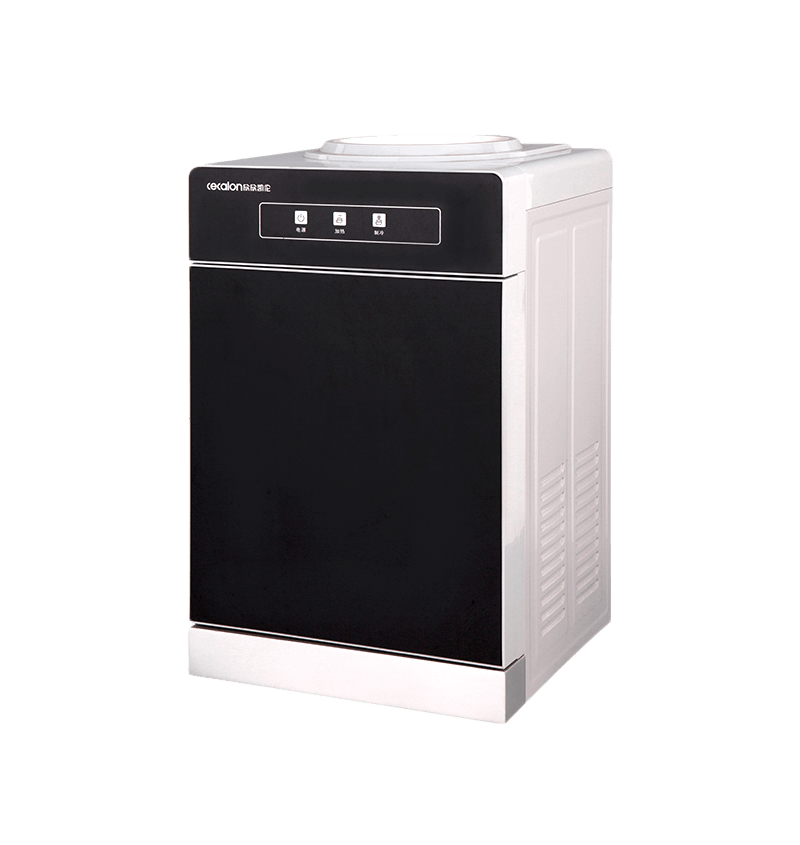
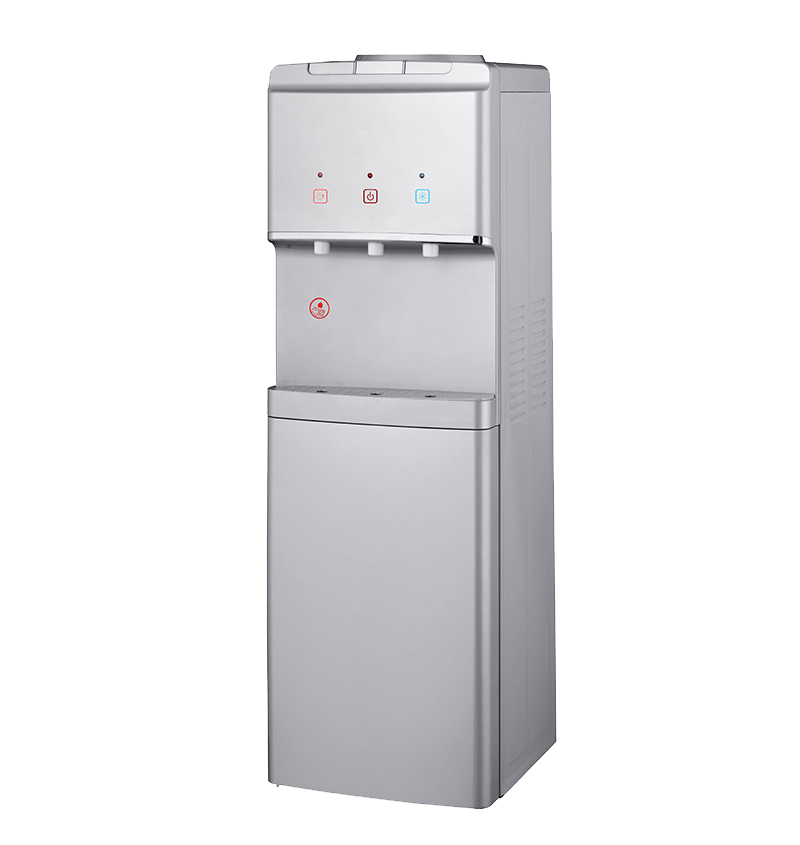
Traditional water dispensers are designed to accommodate bottled water, which is typically stored in large, 5-gallon or 3-gallon bottles. These dispensers have built-in cooling and heating systems to provide either cold or hot water, depending on the user's needs. The water is dispensed by gravity or a pump system, and the dispenser often includes a filtration system to ensure water quality.
The cooling function in traditional water dispensers works by using a refrigeration system that cools the water to a desired temperature. In contrast, the heating function uses electrical components like a heating element to raise the water temperature. Both processes require significant energy, particularly if the dispenser is left on continuously to maintain the desired temperatures.
While convenient, these dispensers rely heavily on the consumption of bottled water, which contributes to environmental concerns. In addition, the refrigeration and heating systems can lead to relatively high energy usage, especially in environments where the dispenser is running continuously to ensure that cold or hot water is always available on demand.
Pipeline Water Dispensers: A Modern Alternative
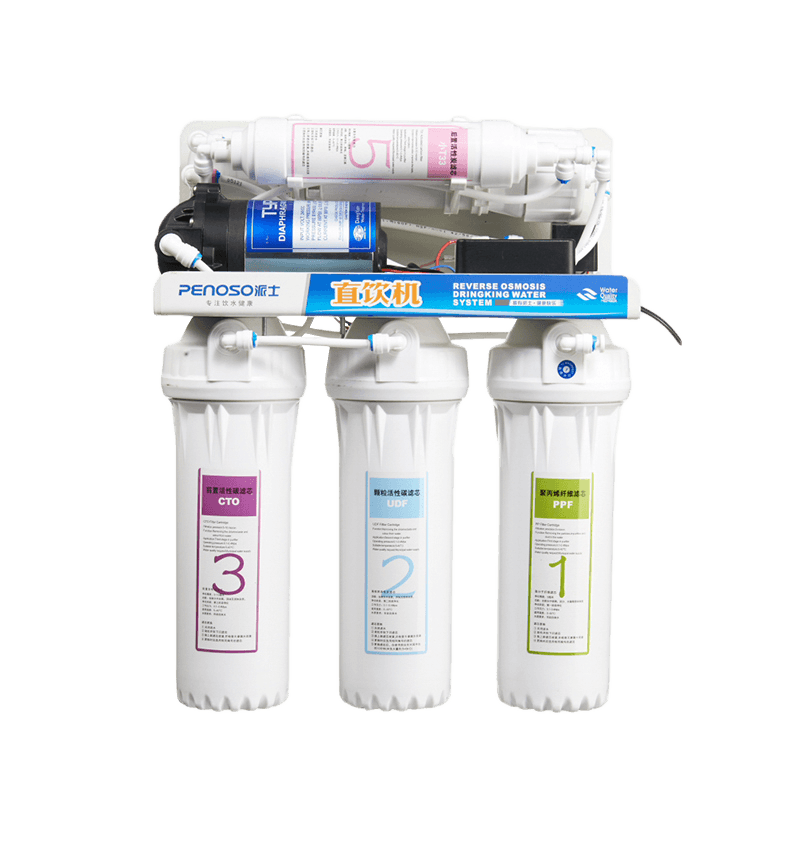
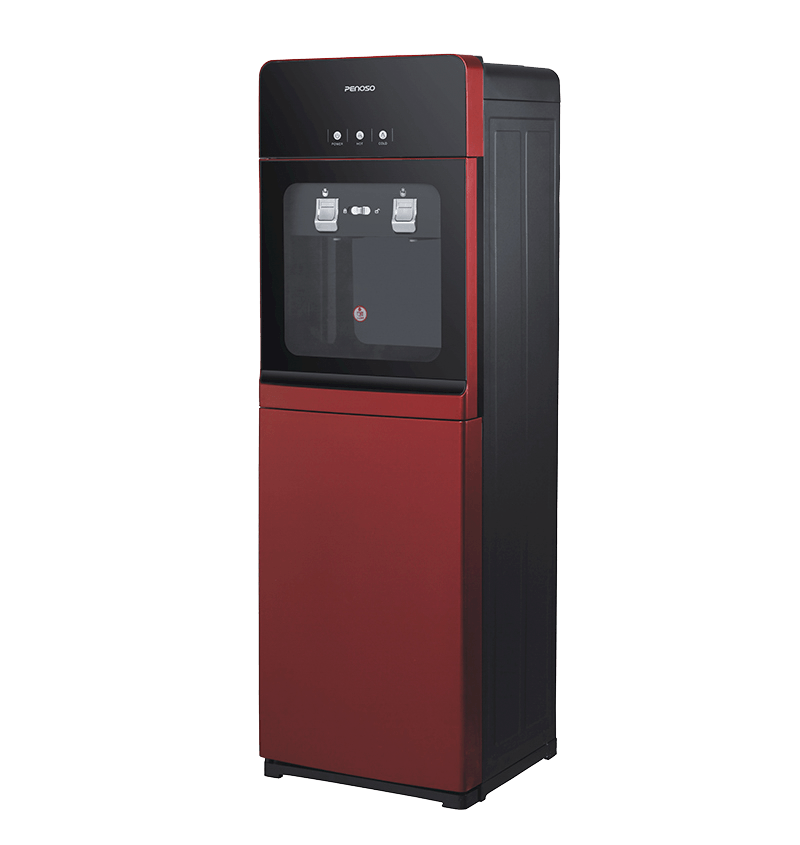
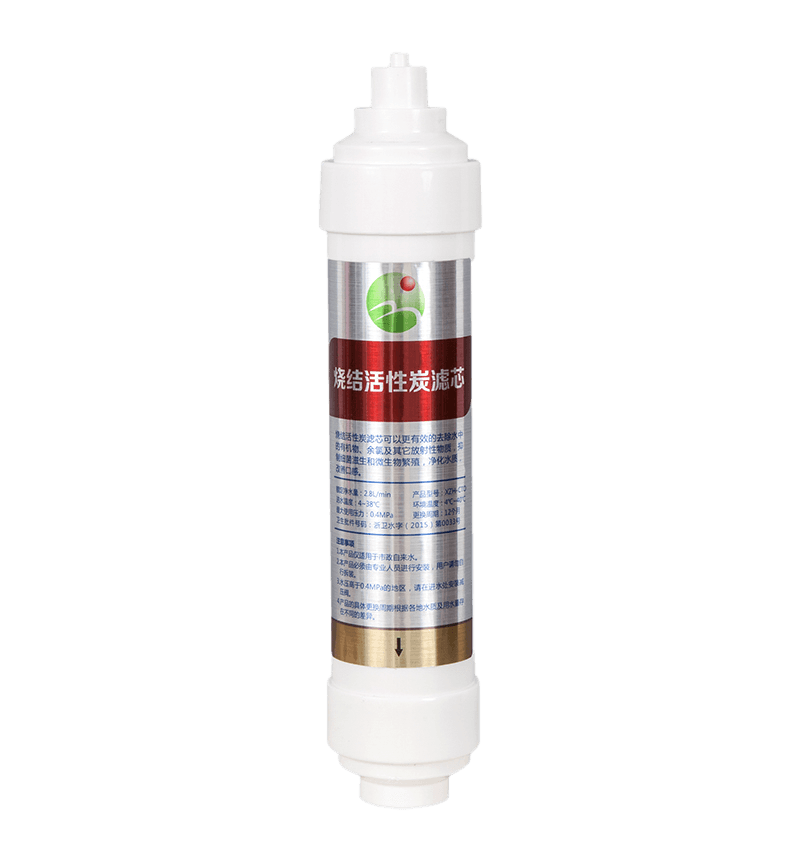
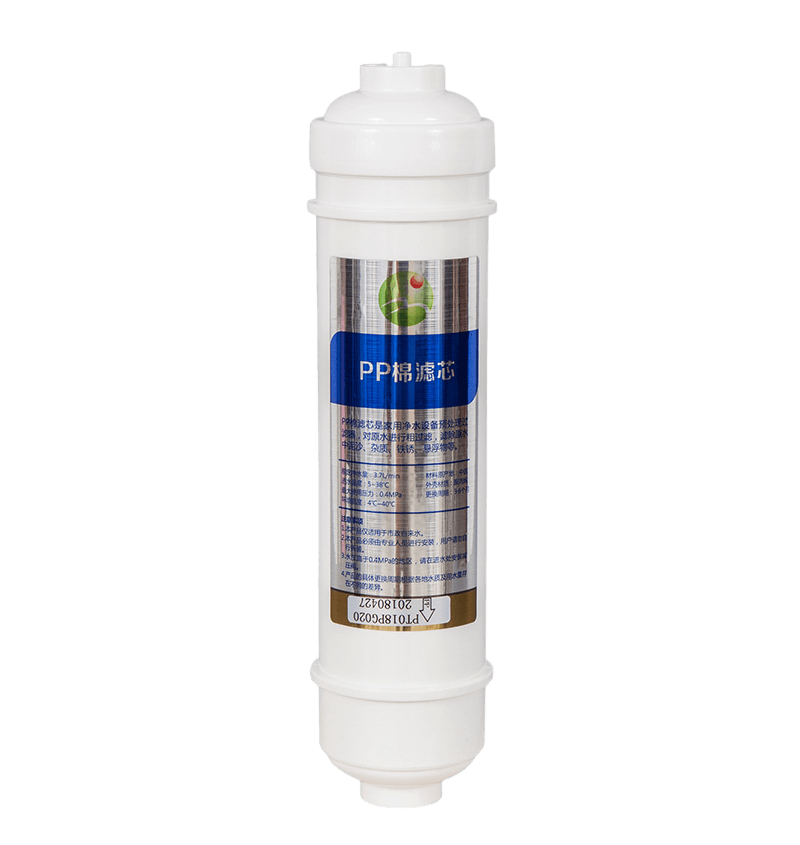
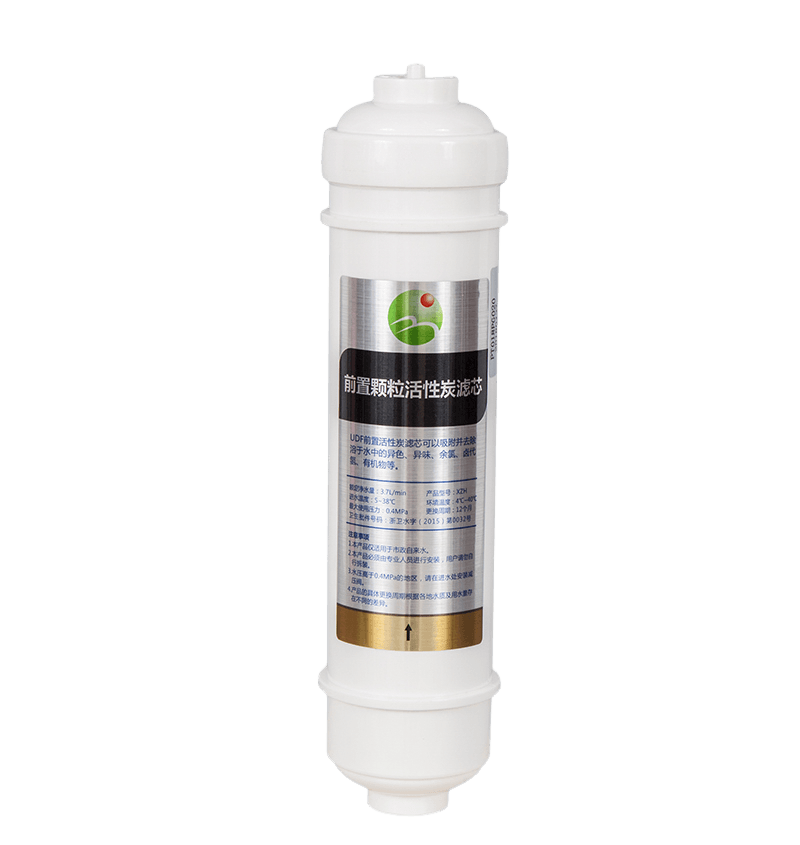
Pipeline water dispensers, on the other hand, are connected directly to the building's water supply. They filter and dispense water directly from the tap, without the need for bottled water. These dispensers typically include built-in filtration systems to remove contaminants and improve the taste and quality of the water.
The main advantage of pipeline water dispensers is their continuous supply of water without the need for refills, which reduces the environmental impact associated with bottled water usage. These dispensers often include features like touchless controls, temperature settings for cold or hot water, and energy-saving modes that help minimize energy consumption. Unlike traditional dispensers that use refrigeration and heating elements to maintain water temperature, pipeline dispensers typically use less energy because they don't need to keep large amounts of water chilled or heated constantly.
Energy Consumption in Traditional Water Dispensers
Energy consumption in traditional water dispensers largely depends on the frequency of use and the efficiency of the cooling and heating systems. In most traditional models, the refrigeration system runs continuously to keep the water cool, consuming energy even when no one is using the water. Similarly, the heating element is always on standby, consuming energy to maintain hot water at a preset temperature.
While modern traditional dispensers have become more energy-efficient, particularly those with features like energy-saving modes or timers, the nature of their operation still leads to higher overall energy consumption compared to pipeline water dispensers. The constant need for energy to either cool or heat water can result in higher electricity bills, especially in high-usage environments like offices or commercial spaces.
In fact, studies have shown that traditional water dispensers can consume anywhere between 0.5 kWh and 2 kWh per day, depending on factors such as the water volume being dispensed and the ambient temperature of the environment. This amount of energy can add up over time, especially if the dispenser is continuously running to keep water at the desired temperature.
Energy Efficiency of Pipeline Water Dispensers
In contrast, pipeline water dispensers are designed to use less energy because they typically don’t require a refrigeration or heating system to maintain water temperature. Instead, these dispensers use ambient temperature water that is filtered before being dispensed. This means that, unless hot or cold water is specifically required, there is no need for continuous energy usage to maintain the water’s temperature.
Many pipeline water dispensers are equipped with energy-efficient features such as low-power pumps and filtration systems. These systems consume less energy compared to the compressor-based refrigeration systems in traditional dispensers. Additionally, pipeline water dispensers can also be equipped with energy-saving modes that turn off the dispenser during periods of inactivity, further reducing energy consumption.
When considering the energy usage of pipeline water dispensers, it is essential to note that they do not require the power-intensive process of cooling or heating large volumes of water. As a result, their overall energy consumption is typically lower, making them a more energy-efficient option, particularly for environments with constant water usage.
Long-Term Savings and Environmental Impact
From an environmental perspective, the energy efficiency of pipeline water dispensers can lead to significant savings over time. Since these dispensers do not require bottled water, they help reduce the carbon footprint associated with the production, transportation, and disposal of plastic water bottles. Additionally, by consuming less energy overall, pipeline water dispensers contribute to lower greenhouse gas emissions, making them a more sustainable option in the long run.
In contrast, traditional bottled water dispensers continue to contribute to plastic waste, which is a significant environmental concern. The energy used to manufacture, transport, and dispose of bottled water also adds to the carbon footprint. By choosing a pipeline water dispenser, users can significantly reduce their environmental impact while also saving money on electricity costs over time.
Furthermore, the convenience of pipeline water dispensers reduces the need for regular water bottle replacements, saving both time and money. Over time, the upfront investment in a pipeline water dispenser may pay off through lower energy bills and reduced water costs, particularly for businesses that rely on large quantities of water.
Cost Comparison of Traditional vs. Pipeline Water Dispensers
To better understand the potential savings, it's useful to compare the costs associated with both types of dispensers. The table below outlines some of the key cost factors associated with traditional water dispensers and pipeline water dispensers:
| Factor | Traditional Water Dispenser | Pipeline Water Dispenser |
| Initial Cost | Moderate to High (depending on model) | Moderate (initial installation of plumbing required) |
| Energy Consumption | High (due to constant cooling/heating) | Low (minimal energy required for filtration and pumping) |
| Water Supply | Bottled water, requires regular delivery | Direct connection to building water supply, no refills |
| Maintenance | Frequent (replacement of bottles, cleaning of reservoirs) | Low (occasional filter changes) |
| Environmental Impact | High (plastic waste from bottles) | Low (no bottled water usage) |
Energy Efficiency
In terms of energy efficiency, pipeline water dispensers are generally a more efficient choice compared to traditional bottled water dispensers. They consume less energy by eliminating the need for continuous cooling and heating, while also providing a reliable source of fresh water without the need for regular refills. This makes pipeline water dispensers an ideal option for those looking to reduce energy consumption, lower costs, and minimize their environmental impact.
While traditional water dispensers may still be suitable in certain situations, particularly where access to plumbing is limited, pipeline water dispensers offer long-term savings and sustainability benefits that make them a more attractive choice for modern, energy-conscious consumers.