 English
 عربى
عربى Português
 Español
Lifting a full 5-gallon water bottle to shoulder height is the moment most people decide they are finished with top-loading dispensers. That single motion, heaving 40 or more pounds onto a small opening without spilling, is exactly the problem a bottled loading water dispenser was designed to eliminate. Before you compare models or prices, it helps to understand how this design works, where its real advantages show up, and which safety features actually matter.
What Is a Bottled Loading Water Dispenser and How Does It Work?
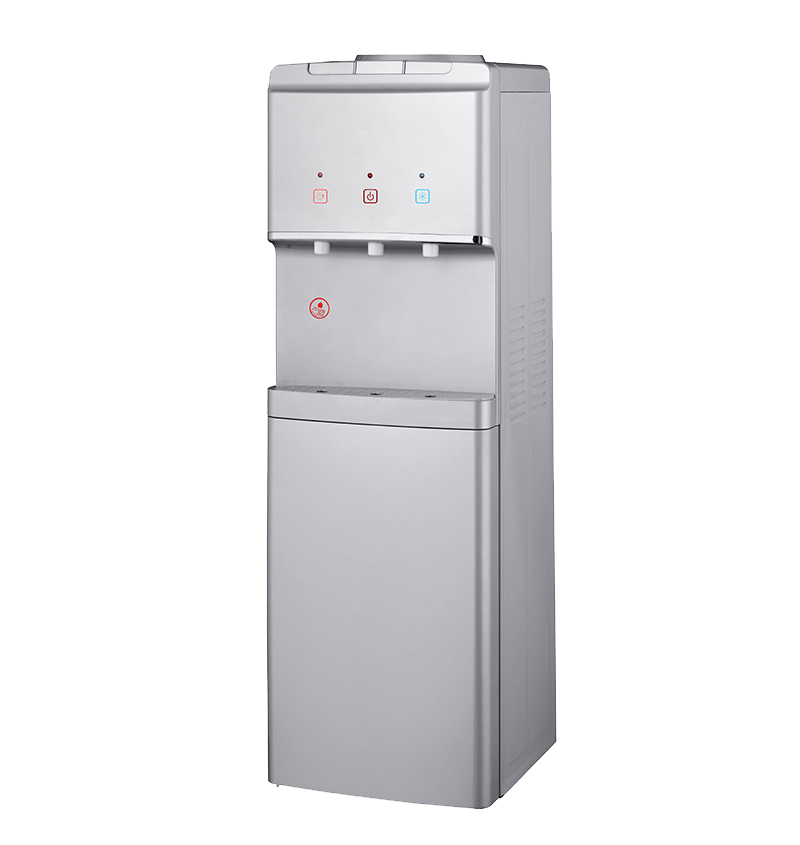
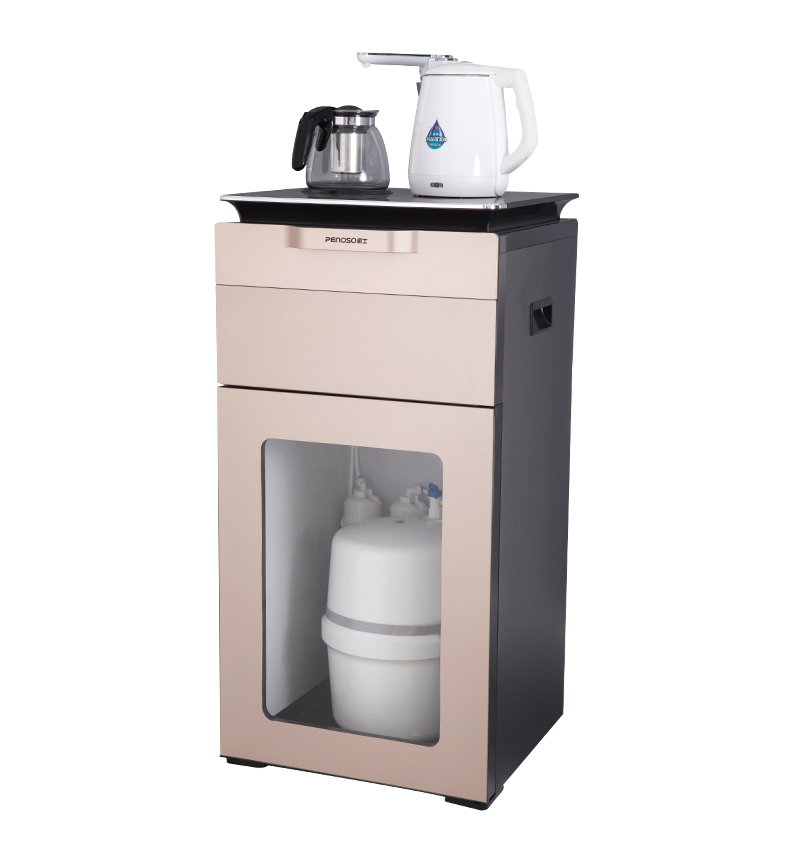
A bottled loading water dispenser, commonly called a bottom-loading water dispenser, keeps the water bottle inside the lower cabinet of the unit. A small electric pump draws water from the bottle and pushes it up through food-grade tubing into two separate tanks: a heated tank for hot water and a chilled tank for cold water. When you press a tap, you are drawing from one of those storage tanks, not directly from the bottle. This is the core structural difference from a top-loading design, which relies on gravity and simply lets water flow downward from an inverted bottle on top.
The bottle probe is a detail worth understanding before you buy. When you push a new jug into the cabinet, the probe pierces the bottle cap and creates a sealed connection. The pump needs that seal to draw water consistently. A loose fit can let air into the line, causing the pump to run dry and fail long before the rest of the machine wears out. Well-designed units combine a secure sealing mechanism with a water-level sensor so the pump shuts off automatically when the bottle is empty.
The hot and cold systems operate independently. The hot tank heats water and holds it at a set temperature, while the cold tank cools water through a compressor or thermoelectric module. Because the two circuits are separated, dispensing hot water does not drain your cold-water reserve. That independence is what makes these machines practical for kitchens and offices where people grab water at all hours of the day.
Bottled Loading vs. Top Loading: Which Design Suits Your Home or Office?
For most households and small offices, a bottled loading dispenser is the better trade-off. It removes the heaviest part of the daily routine, looks less cluttered, and sits lower to the ground, which makes it harder to knock over. The trade-offs are real but manageable: the pump adds a low hum during operation, the purchase price is slightly higher, and you have to align the bottle probe correctly when loading a replacement jug.
| Feature | Bottled loading (bottom-loading) | Top-loading |
|---|---|---|
| Bottle position | Inside the base cabinet | Inverted on top of the unit |
| Physical effort to change bottle | Low; bottle is placed at floor level | High; bottle must be lifted overhead |
| Center of gravity | Low and stable | Higher; more likely to tip if bumped |
| Water delivery | Electric pump moves water upward | Gravity feeds water downward |
| Operating noise | Low pump hum while refilling | Silent apart from heating or cooling cycles |
| Typical price | Slightly higher | More budget-friendly |
| Bottle swap difficulty | Open cabinet, place jug, press probe | Lift and invert a heavy jug |
Top-loading still makes sense when the budget is tight, the dispenser is used only occasionally, or the person filling it is comfortable lifting the bottle. Gravity-fed units have fewer moving parts and a long track record of reliability. If you want to compare the two layouts in more depth, our detailed top-loading vs. bottom-loading comparison walks through the maintenance, cost, and safety implications of each design. For buyers who prefer the classic arrangement, we still offer a selection of top-loading water dispenser models in the same product family.
Why Bottom-Loading Is the Preferred Choice for Elderly Users and Small Offices
Two groups benefit the most from the bottled loading design. The first is anyone who finds heavy lifting difficult, including elderly users, pregnant women, and people with back problems. Moving a full bottle from the floor into the cabinet takes far less strength and balance than raising it above shoulder height. The second group is small offices of five to fifteen people, where a 5-gallon bottle can empty in a day or two. With a bottom-loading unit, the person who notices the empty bottle can replace it themselves without waiting for a stronger colleague to arrive.
That does not mean the design is maintenance-free. You still handle the bottle; you simply handle it at a comfortable height. The pump, seals, and tank connections are additional components that need occasional attention, which is why a consistent cleaning schedule matters as much as the initial purchase decision.
10 Safety and Performance Checks Before You Buy a Bottled Water Dispenser
These ten checks are not marketing features. They are basic engineering safeguards that determine how long the machine lasts and whether it is safe around children and pets. Walk through this list with the seller or in the product documentation before you commit to a purchase.
- Child safety lock. The hot-water tap must have a lock that prevents accidental activation. This is the most important safeguard in homes with young children. See the child safety lock details on bottled loading dispensers for how the mechanism works on our own units.
- Anti-dry-burn protection. A sensor should cut power to the heating element when the water level in the hot tank is too low. Without it, running the tank dry can damage the element and create a safety hazard.
- Leakage protection and grounding. The unit should have a grounded plug and a water-electricity separation structure so that an internal leak cannot bring water into contact with live wires.
- Anti-tip stability. The base should be wide and the center of gravity low. A dispenser that rocks when you press a tap is a hazard, especially in households with active children.
- Hot-tank material. The hot-water tank should be food-grade stainless steel, ideally 304-grade, rather than plastic. Steel resists scale buildup, does not leach into hot water, and lasts longer under repeated heating cycles.
- Cold-tank hygiene design. The cold-water path should be accessible for cleaning. If you cannot reach the tank and tubing, you will not clean them, and biofilm will eventually form inside.
- Drip-free spout. The dispensing nozzles should have a sealing structure that stops dripping after each use. Constant dripping keeps the overflow tray wet and attracts grime.
- Temperature control precision. The thermostat should hold hot water within a stable range rather than swinging widely. Stable temperature matters for tea, coffee, and preparing baby formula safely.
- Pump noise. Ask for the pump noise level during refill. In an open-plan office, a loud pump will annoy people every time the tanks refill, which can be several times a day.
- Energy usage information. Look for a clear statement of standby power consumption and whether the unit has an energy-saving or off mode. Dispensers run all day, so standby draw is a real long-term cost.
How to Clean and Maintain a Bottom-Loading Water Dispenser
Plastic tubing, a warm tank, and standing water are exactly the conditions where microbial film grows. That slightly musty smell people notice in older dispensers is a biofilm forming on the interior surfaces. It is usually not a sign that the bottled water itself was contaminated at the source; it is a sign that the machine has not been cleaned. A simple schedule prevents the problem from developing in the first place.
| Frequency | Task | Why it matters |
|---|---|---|
| Monthly | Wipe the dispensing nozzles and drip tray with a food-safe cleaner. | Prevents sticky residue and visible buildup where hands and cups come into contact. |
| Quarterly | Flush the cold-water tank and internal tubing with diluted food-grade citric acid or vinegar, then rinse thoroughly with fresh water. | Removes scale and biofilm before odors develop. See how often the internal pipes need cleaning for a more detailed explanation of the tubing and tank. |
| Annually | Drain the hot tank, inspect the pump inlet seal for wear, and replace the filter if your model includes one. | Keeps heating stable, prevents leaks, and maintains water quality in filtered configurations. If you need new consumables, replacement water filter spare parts are available separately from the dispenser. |
Two rules apply to every cleaning session. Never run the heater when the tank is empty, and rinse thoroughly so that no cleaning agent remains in the water path. Use cleaners labeled food-safe or designed for beverage equipment. If you notice a change in taste or smell before the quarterly point, move the flush forward; the schedule is a floor, not a ceiling.
How to Choose the Right Bottled Loading Water Dispenser for Your Needs
We have covered the safety checklist and the maintenance routine; the remaining question is which configuration fits your situation. Start with our guide on how to choose the right bottled loading water dispenser to map your usage patterns, then work through the five decision points below.
- Determine the number of users. A family of three and a fifteen-person office have very different needs. More users mean more frequent refills and higher demand on both the heating and cooling circuits, so confirm that tank capacity and heating power match your expected usage.
- Confirm the setting. For a home kitchen, noise is rarely a deciding factor. For an office, clinic, or small retail space, pump noise and continuous dispensing performance matter more because the unit runs throughout the day.
- Check the space. Measure the corner or counter area before ordering. Floor-standing units need clearance for the cabinet door to open, while desktop units need a sturdy, level surface.
- Evaluate the water source. If you use bottled purified water, a standard dispenser with hot and cold tanks is sufficient. If you plan to filter tap water instead, look for a unit that accepts a filter module or consider a separate filtration system.
- Calculate the long-term cost. The purchase price is only part of the picture. Add standby electricity, filter replacements where applicable, and cleaning supplies to arrive at a realistic annual cost.
For a concrete example, the PS-SLR-812B bottom-loading dispenser covers the essentials for family use, while buyers who want more flexibility in the same category can look at the PS-SLR-813 as a comparable alternative. Because every installation has different constraints, compare specifications side by side rather than relying on a single review. From there, you can browse our range of bottom-loading water dispensers to view the full product line.
Final Thoughts: Is a Bottled Loading Water Dispenser Right for You?
Three decision rules cover most situations. Choose a bottled loading dispenser if you are buying for a family home where someone wants to avoid lifting heavy bottles, or for a small office where bottles are changed often. Choose a top-loading unit only if the budget is very tight, the machine will see light use, and the person handling it is comfortable lifting the bottle. In both cases, verify the safety features on your checklist before you pay, not after.
As a manufacturer, Penoso produces more than 600,000 water dispensers a year, and we see the long-term failure patterns that short product reviews rarely mention. Most problems trace back to two causes: a missing safety feature that was ignored at purchase time, and a maintenance schedule that was never started. A bottled loading dispenser is a better daily experience than a top-loading model for most people, but it still needs a household or office that will clean it on schedule. If you can commit to that, the design will reward you with years of reliable hot and cold water.