 English
 عربى
 Português
 Español
A 16.9 oz bottle priced at $1.29 works out to roughly $9.77 per gallon. The same gallon drawn from a 5-gallon jug refilled at a supermarket costs about $0.30 to $0.50. So the honest answer to how much bottled water costs is a range, not a single number: somewhere between 30 cents and 10 dollars per gallon, decided almost entirely by the package, the sales channel, and the logistics behind it. The water itself is the cheapest line item in the bottle.
Bottled Water Cost per Gallon, by Package Format
Industry data gives one useful anchor. The Beverage Marketing Corporation, cited by the International Bottled Water Association, put the average wholesale price of domestic non-sparkling bottled water at $1.44 per gallon in 2023. That figure describes trade-level pricing, not what a shopper hands over at the register. Retail pricing spreads much wider, because a bottle sold cold from a convenience cooler carries costs that a case sold in a warehouse store does not.
| Package format | Typical price | Package volume | Cost per gallon | Where it is usually bought |
|---|---|---|---|---|
| Single-serve bottle, 16.9 oz | $1.00 to $3.00 | 0.13 gal | $7.60 to $23.00 | Vending, kiosks, convenience stores |
| 24-pack case, 16.9 oz bottles | $4.00 to $8.00 | 3.17 gal | $1.26 to $2.52 | Supermarkets, warehouse clubs |
| 1-gallon jug | $1.25 to $2.00 | 1 gal | $1.25 to $2.00 | Grocery aisles |
| 2.5-gallon jug | $2.50 to $4.00 | 2.5 gal | $1.00 to $1.60 | Grocery aisles, small households |
| 5-gallon jug, store refill or exchange | $1.50 to $2.50 | 5 gal | $0.30 to $0.50 | Refill stations, water shops |
| 5-gallon jug, home delivery | $6.00 to $9.00 | 5 gal | $1.20 to $1.80 | Offices, delivery contracts |
| Domestic non-sparkling, wholesale average | $1.44 | 1 gal | $1.44 | Trade benchmark, 2023 data |
Two things stand out. Single-serve bottles carry the highest per-gallon cost by a wide margin, and shifting to a case cuts that rate by roughly 70 to 85 percent. The 5-gallon jug stays the cheapest packaged format by far, which is exactly why dispensers dominate offices, clinics, and waiting rooms.
Where the Money Goes Inside a Bottle
Strip away the label and the price of bottled water is mostly a packaging and distribution bill. The diagram below shows the main cost layers stacked behind a single retail bottle.
- Shelf price of one bottle
- Packaging: PET bottle, cap, label, shrink film
- Processing: filtration, ozonation, filling, quality checks
- Logistics: palletizing, transport, chilled storage
- Retail: shelf space, margin, cooler electricity
- Water: a fraction of a cent per bottle
Because the raw water is such a small share, two bottles sold at very different prices can contain nearly identical water. What changes is container weight, transport distance, cooling, and the margin of the shop that hands the bottle over the counter.
Costs That Never Show on the Receipt
- Fuel and time spent restocking: a 24-bottle case weighs roughly 11 kg (25 lb) and rarely fits a single shopping trip
- Storage: cases and jugs consume floor or shelf space that has a value of its own, especially in small apartments
- Handling: lifting a 5-gallon jug means moving about 19 kg (42 lb) every time it is changed
- Deposits and waste charges: bottle deposit schemes and recycling fees differ by region and are easy to overlook
- Flat or stale product: opened multi-packs lose freshness faster than a sealed jug
- Emergency purchases: the single chilled bottle bought at full price when supplies run out
Individually these look minor. Across a year of steady consumption they commonly add 10 to 25 percent on top of the shelf price, and they are the reason delivery services can charge more per gallon and still feel convenient.
What a Family of Four Spends in a Year
Assume a household drinks 2 gallons a day, about 730 gallons a year, and buys everything in one format. The chart compares annual outlay using the per-gallon rates above, with equipment and filter costs amortized over five years for the dispenser option.
Estimated annual cost at 730 gallons per year
The spread approaches 40 to 1. That is why the question of bottled water cost usually turns into a question about format and equipment rather than about brands.
Bottled Water vs Dispenser-Based Drinking
Two equipment routes bring the per-gallon cost down without giving up cold and hot water on tap.
Route one: keep bottled water, change the jug
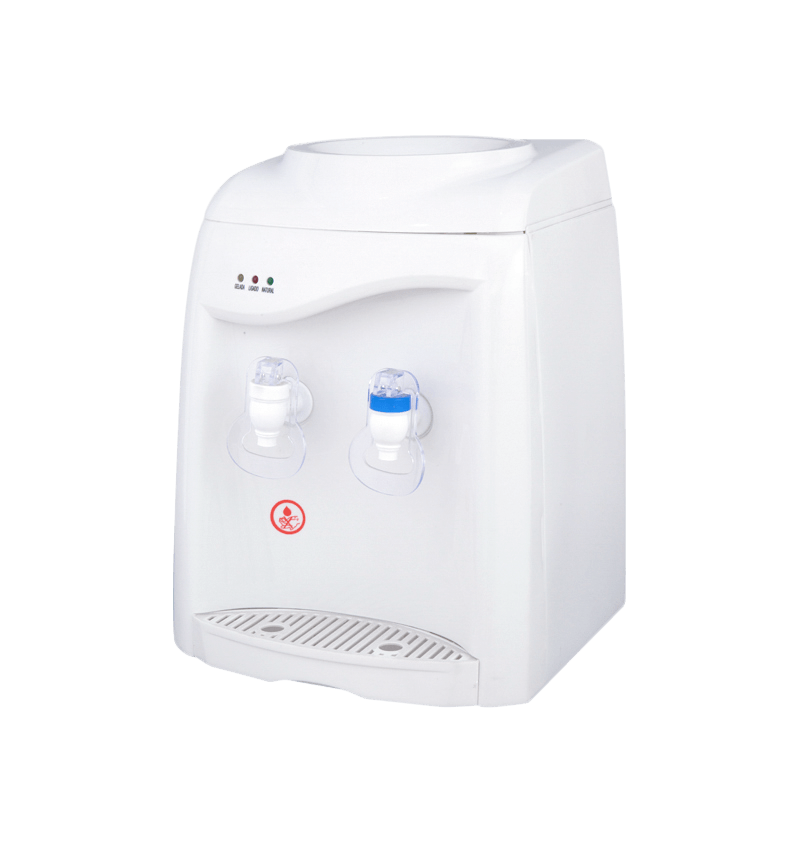
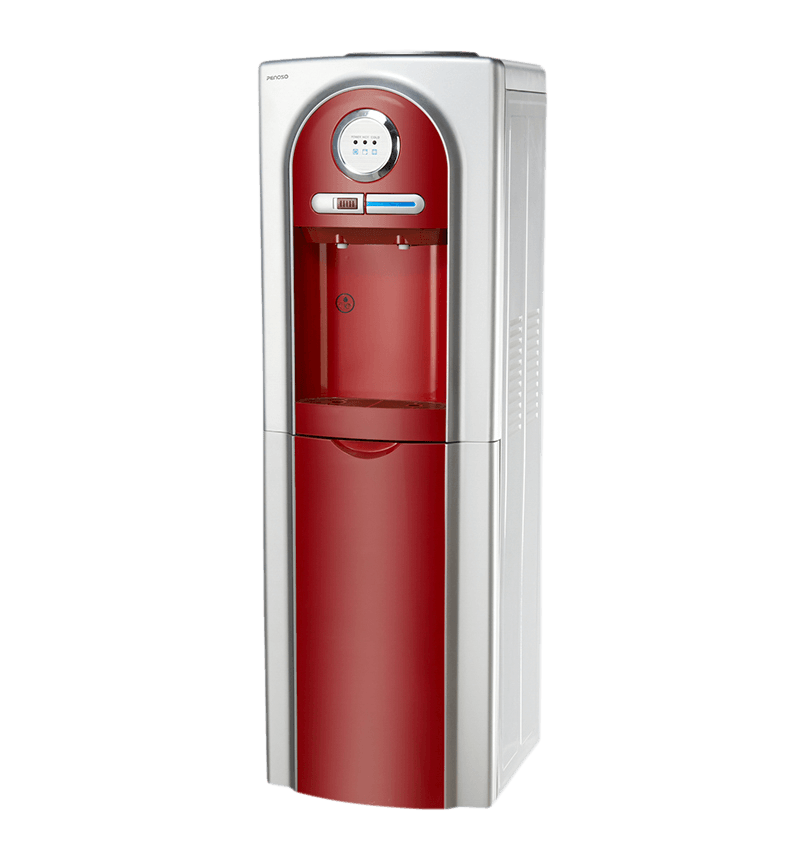
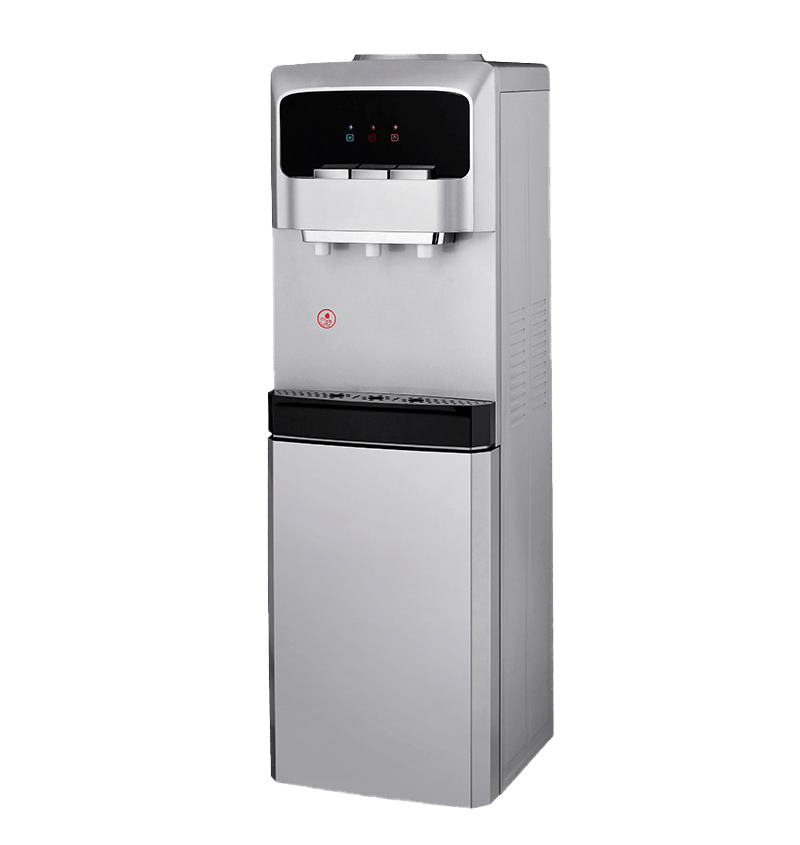
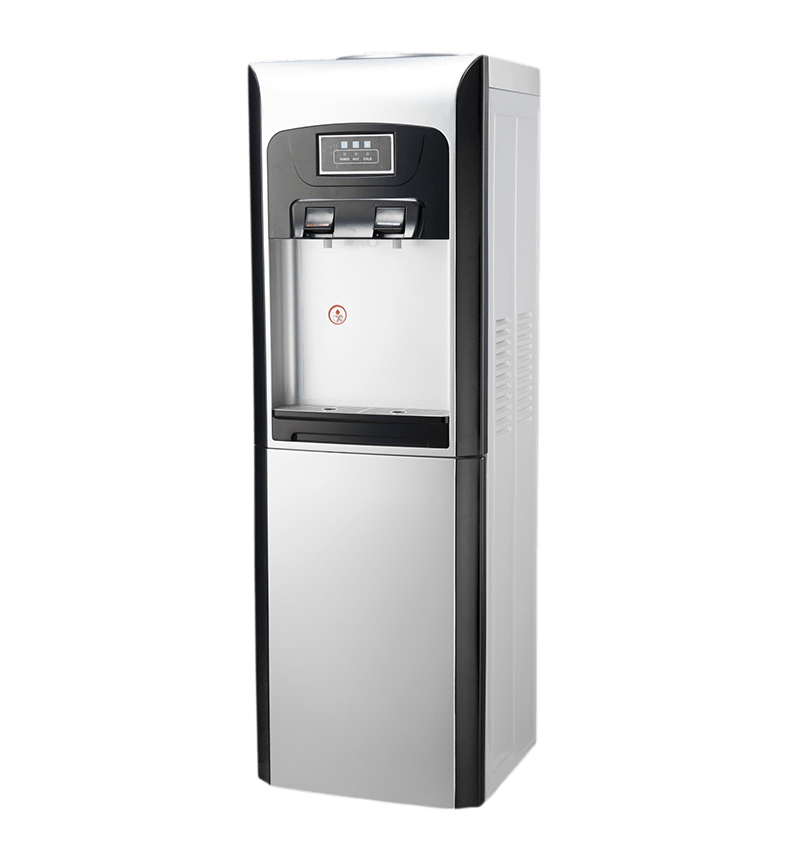
A bottled water dispenser takes standard 5-gallon jugs, so the water cost stays in the $0.30 to $0.50 per gallon range when jugs are refilled locally. Top-loading models are the simplest and cheapest to buy; bottom-loading versions remove the lift but add a pump and a little more maintenance. Check the cooling method, the hot tank volume, and whether a child safety lock is fitted if small children are around.
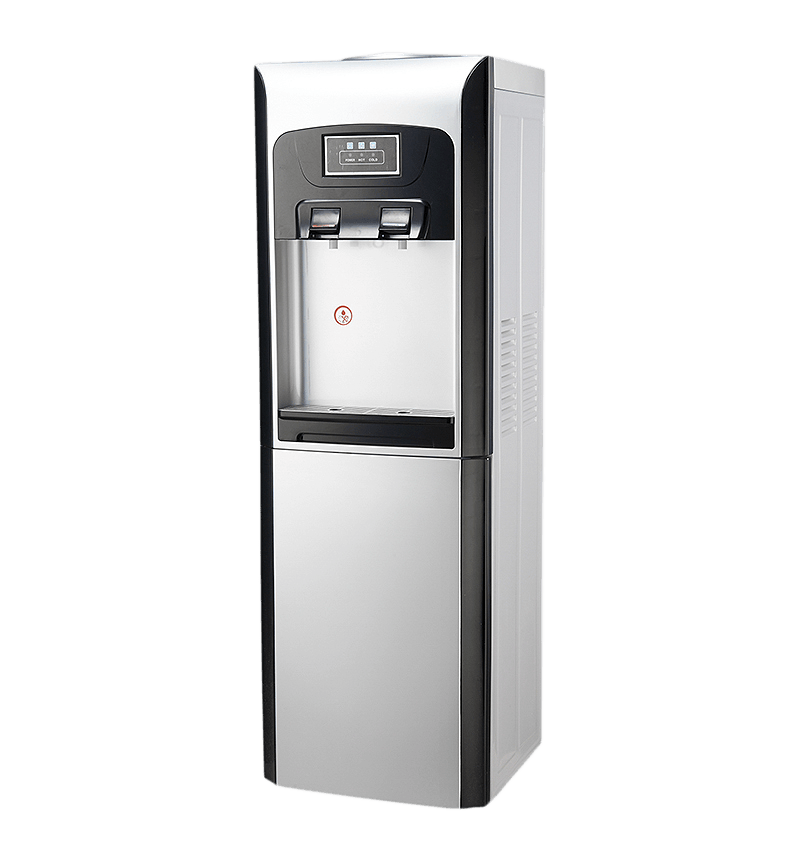 Hot and Cold Top-Loading Water Dispenser PS-SLR-101BTop-loading dispenser with 0.8L stainless steel hot tank and electronic or compressor cold-tank options, suited to standard bottled-water setups.View Product →
Route two: connect to the mains
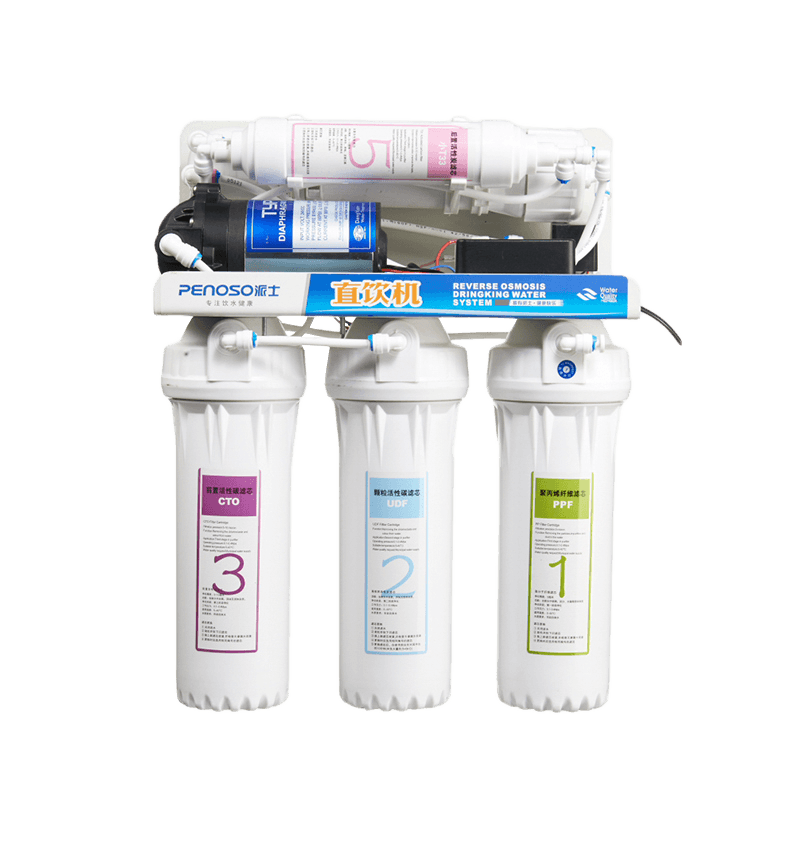
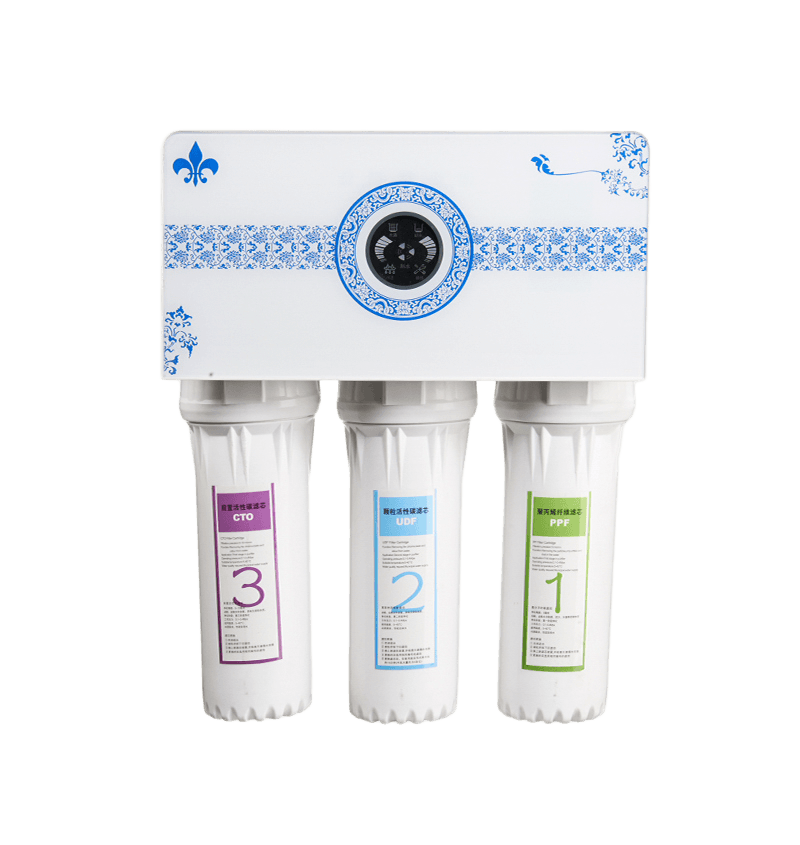
A bottleless system plumbs into the building supply and treats water on site, usually through sediment, carbon, and reverse osmosis stages. The hardware is the main cost; water and cartridges are minor. Once installed, running costs typically land between $0.15 and $0.30 per gallon including amortized equipment and annual filter changes, and there is no jug storage, no delivery window, and no empty bottle to return.
Buyers comparing bottleless water dispensers should look at membrane output and tank size first, because a unit sized for a kitchen will struggle in a staff pantry.
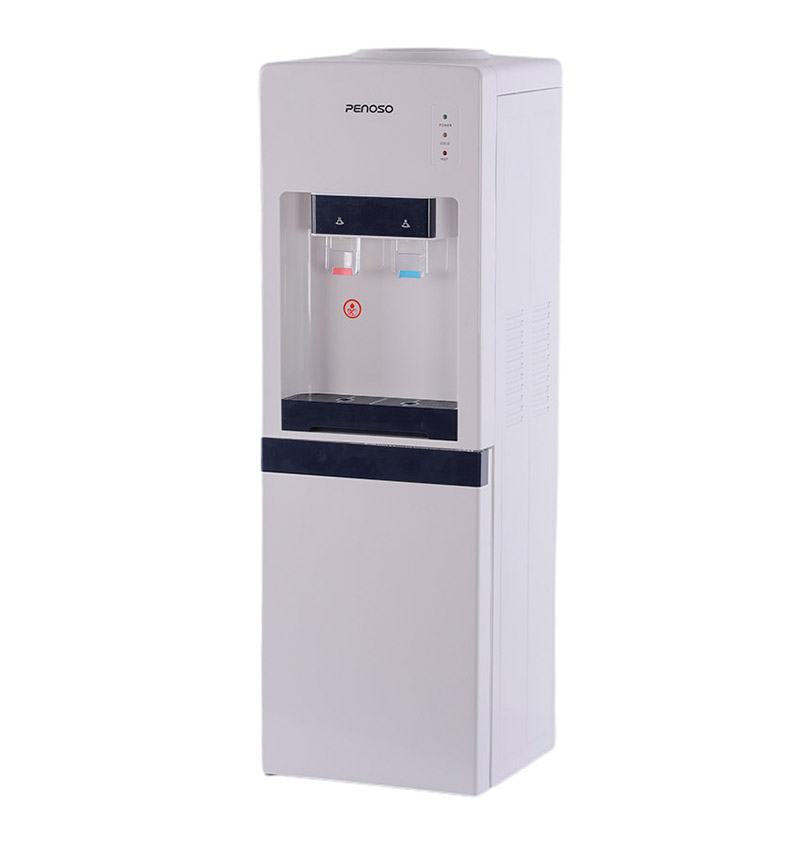 Pipeline Water Dispenser with RO/UF Filtration PS-SLR-102Pipeline-connected hot/cold dispenser with RO or UF filtration and electronic or compressor cold-tank options, positioned for bottleless supply comparisons.View Product →
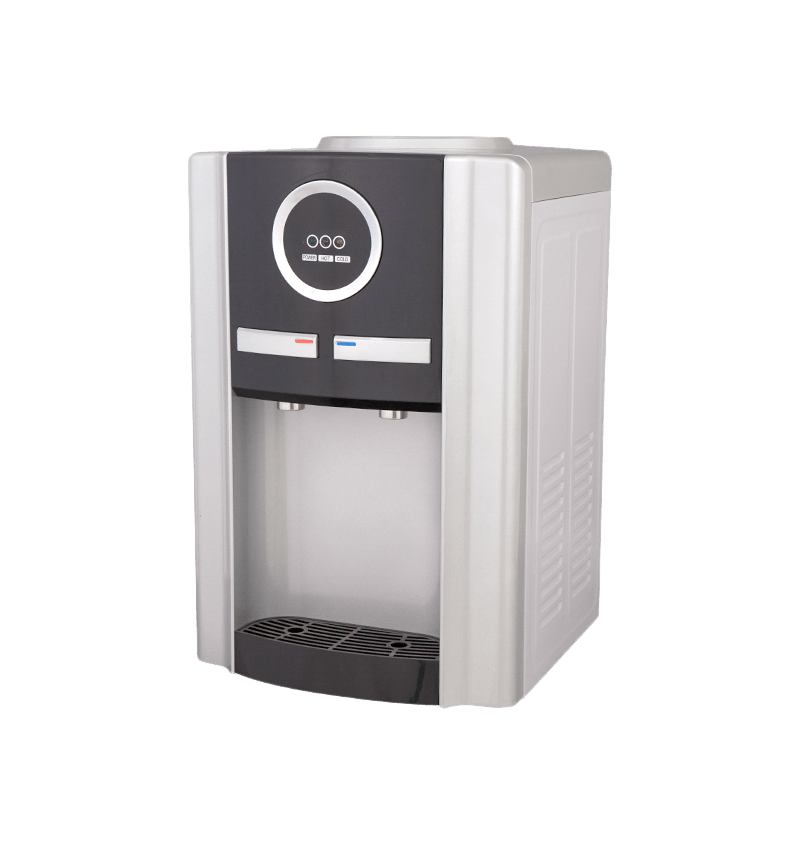
For offices and public areas, throughput matters more than price per gallon. A busy pantry needs a larger cold tank, a recovery rate that keeps pace at break times, and filtration sized for daily volume. Commercial water dispensers with stainless steel wetted parts and higher hourly output are the usual choice where 30 or more people draw water within a short window; a compact desktop unit suits smaller meeting rooms and reception desks.
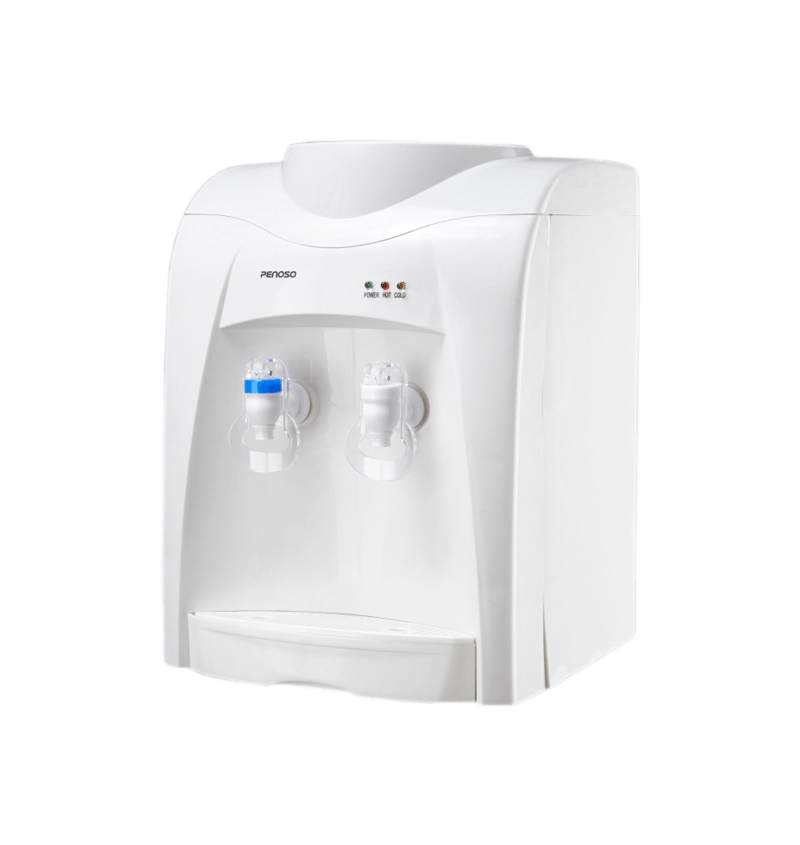 Mini Desktop Hot and Cold Water Dispenser PS-STR-02Compact desktop dispenser with 0.8L stainless steel hot tank and electronic cold tank, suited to smaller meeting rooms and reception areas.View Product →
What to Check Before Buying Dispensing Equipment
Buyers comparing hardware often fixate on the purchase price and miss the numbers that decide the real cost per gallon over five years.
- Filtration stages and membrane rating: a 50 GPD membrane and a 400 GPD membrane serve very different daily volumes, and their cartridges differ in price and replacement interval
- Hot water capacity and recovery time: a 1.5 L hot tank empties quickly in an office and forces waiting between rounds
- Electrical safety marks: CCC, CE, CB, SASO, and SONCAP coverage matters if units will be exported or installed in a regulated market
- Spare parts supply: PP, CTO, UDF, and RO cartridges, plus taps, heating tubes, and cold tanks, should be orderable from the same source as the machine
- Energy and noise: compressor cooling draws more power but recovers faster, while electronic cooling is quieter but slower
- Warranty and minimum order quantity: distributors should confirm cartridge availability and after-sales parts before committing to a container
A manufacturer working under ISO 9001 and holding several export certifications is a reasonable baseline. Penoso, for example, builds dispensers, purifiers, and tea bar machines in Ningbo with a stated annual capacity above 600,000 units, and supplies matched filter cartridges and spare parts, which matters when a fleet of dispensers needs servicing in year three.
Running Your Own Numbers in Five Minutes
- Count daily consumption in gallons: number of drinkers multiplied by 0.5 to 0.75 gallons
- Multiply by 365 to get annual volume
- Apply the per-gallon rate for the format you genuinely buy, not the cheapest one advertised
- Add the hidden costs: restocking trips, storage, deposits, and jug handling
- Compare the total against equipment price divided by expected service life, plus annual filters and electricity
Most households buying single-serve bottles find the switch pays for itself within the first year. Households already refilling 5-gallon jugs at low prices face a smaller gap, and the decision then rests on convenience, storage space, and whether local water quality supports on-site filtration.
The number worth remembering: bottled water costs somewhere between $0.30 and $10 per gallon, and the water is rarely the reason. Identify the format you actually use, price it at that rate, then compare against a dispenser matched to your daily volume. That comparison, not the sticker on a single bottle, is the true cost of drinking water.