 English
 عربى
عربى Português
 Español
Introduction to Bottled Loading Water Dispensers
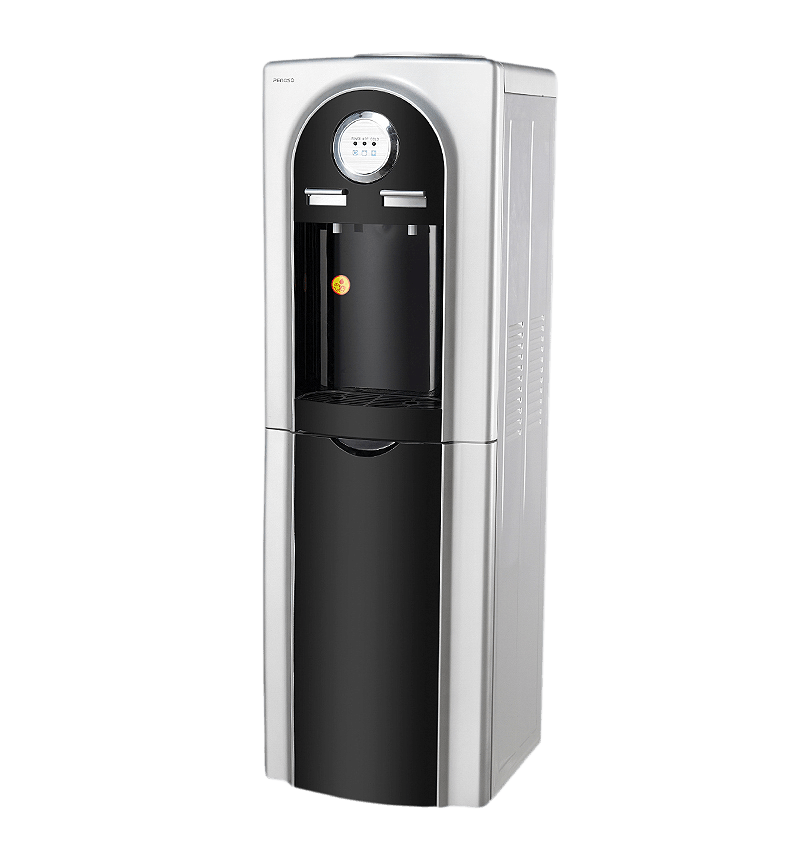
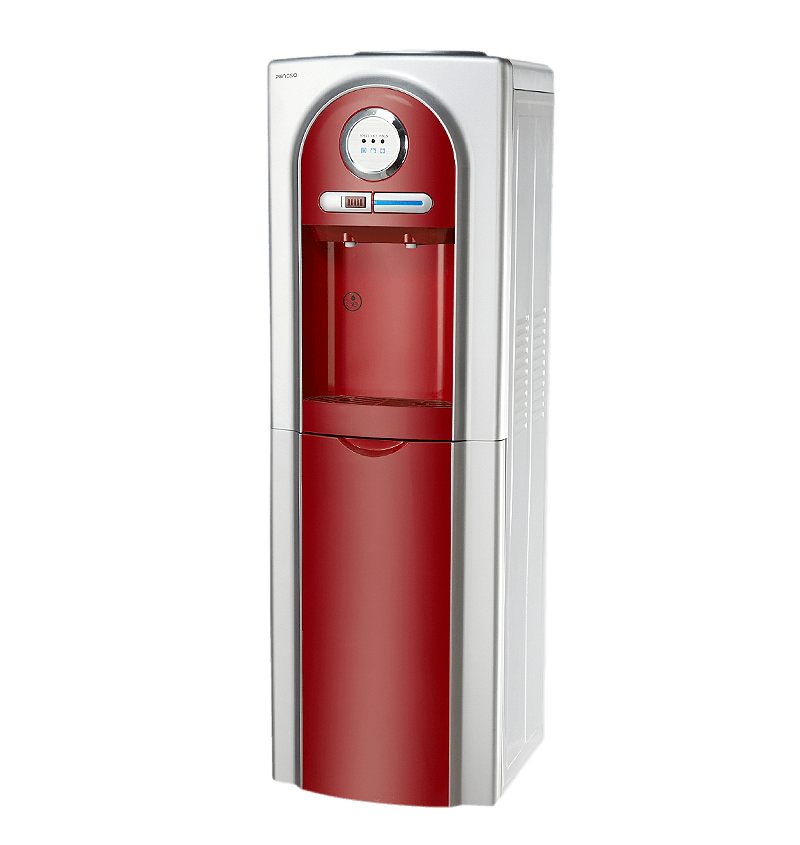
Bottled loading water dispensers are widely used in homes, offices, and commercial establishments for easy access to clean drinking water. These dispensers are designed to hold and dispense water from large bottles, often in 5-gallon or 3-gallon sizes. The convenience of having fresh water available on demand makes these dispensers popular in a variety of settings. However, a critical concern with water dispensers is their hygiene, especially regarding the materials used in the dispenser’s construction and whether they support antibacterial or antimicrobial properties to prevent contamination.
Antibacterial and Antimicrobial Materials in Water Dispensers
Antibacterial and antimicrobial materials are designed to prevent or reduce the growth of harmful microorganisms, such as bacteria, fungi, and mold. When used in water dispensers, these materials can help ensure that the water dispensed remains free from contamination, maintaining its quality and safety for consumption. The use of such materials is particularly important in dispensers, as they come into contact with both water and air, which can create environments conducive to bacterial growth.
What Makes Materials Antibacterial or Antimicrobial?
Antibacterial materials are specifically designed to inhibit the growth or spread of bacteria, while antimicrobial materials have broader capabilities and can target a wider range of microorganisms, including fungi, mold, and viruses. These materials typically contain active agents that either kill microorganisms or prevent their growth. In water dispensers, common antibacterial or antimicrobial agents may include silver ions, copper alloys, and other chemical treatments that are integrated into the plastic or surface coatings.
Materials Used in Bottled Water Dispensers
The most common materials used in the construction of water dispensers are plastics, particularly high-density polyethylene (HDPE), polypropylene (PP), and polycarbonate. These materials are chosen for their durability, resistance to cracking, and ease of cleaning. However, these plastics are also susceptible to microbial growth if not treated with antimicrobial agents. Some water dispensers feature materials that are specifically designed with antimicrobial properties to reduce the risk of bacteria and mold accumulation. These features are especially valuable in environments where the dispenser is in constant use, such as in offices or public spaces.
Are Antibacterial or Antimicrobial Materials Common in Bottled Water Dispensers?
While some bottled water dispensers come with built-in antibacterial or antimicrobial properties, these features are not universal. The use of antimicrobial agents in the plastic construction of water dispensers is often a feature found in higher-end models. In most standard models, the materials used in the construction of the dispenser are not inherently antibacterial or antimicrobial. Therefore, consumers looking for dispensers with these properties should specifically check product labels or manufacturer details to determine if antimicrobial agents have been incorporated into the design.
How Do Antimicrobial Materials Benefit Water Dispensers?
Antimicrobial materials in water dispensers provide several important benefits, especially in maintaining the cleanliness and safety of the water. These materials work by preventing the growth of bacteria, fungi, and mold that could otherwise contaminate the water and affect its taste and quality. Additionally, they help reduce the risk of unpleasant odors and the potential for harmful microorganisms to spread within the dispenser system. The use of antimicrobial materials is particularly beneficial in high-humidity environments or in dispensers that are used frequently but not always cleaned thoroughly between uses.
Examples of Antibacterial and Antimicrobial Additives Used in Water Dispensers
There are several different additives and technologies used in water dispensers to provide antibacterial or antimicrobial properties. Some of the most common include:
- Silver ions: Silver has natural antibacterial properties, and when incorporated into plastics, it can prevent the growth of bacteria and other microorganisms.
- Copper alloys: Copper has inherent antimicrobial properties and is used in some water dispensers to reduce microbial growth.
- Plastic coatings with antimicrobial agents: Some water dispensers are treated with coatings that contain antimicrobial chemicals to prevent the buildup of bacteria and mold.
- Incorporation of ion-exchange resins: These materials can prevent the growth of microorganisms by disrupting their ability to thrive in the dispenser.
Factors That Affect the Antimicrobial Effectiveness in Water Dispensers
While antimicrobial materials can help reduce microbial growth in water dispensers, their effectiveness can depend on several factors. The concentration of antimicrobial agents in the materials, the environmental conditions (such as temperature and humidity), and the frequency of cleaning and maintenance all play a role in how well these materials perform over time. In some cases, the antimicrobial properties may degrade or lose their effectiveness over extended periods, especially if the dispenser is exposed to harsh cleaning agents or extreme environmental conditions.
Maintaining Hygiene in Bottled Water Dispensers
Even in dispensers that feature antibacterial or antimicrobial materials, regular cleaning and maintenance are crucial to ensure the dispenser remains free from microbial contamination. Users should follow the manufacturer’s guidelines for cleaning and disinfecting the dispenser to prevent the buildup of harmful microorganisms. It is also important to replace any filters or parts that may become worn or damaged over time, as these components can harbor bacteria or mold.
Comparison of Bottled Water Dispensers with and without Antimicrobial Features
| Feature | Bottled Water Dispensers with Antimicrobial Materials | Bottled Water Dispensers without Antimicrobial Materials |
| Antibacterial Protection | Reduces bacterial growth in the dispenser | Requires frequent cleaning to prevent bacteria buildup |
| Antimicrobial Protection | Prevents the growth of a wider range of microorganisms | Potential for mold and fungi growth over time |
| Material Durability | Materials are less likely to degrade due to microbial growth | Materials may degrade more quickly if not maintained properly |
| Maintenance Requirements | Reduced maintenance requirements due to antimicrobial properties | Frequent cleaning needed to maintain hygiene |