 English
 عربى
عربى Português
 Español
General overview of bottled water dispensers
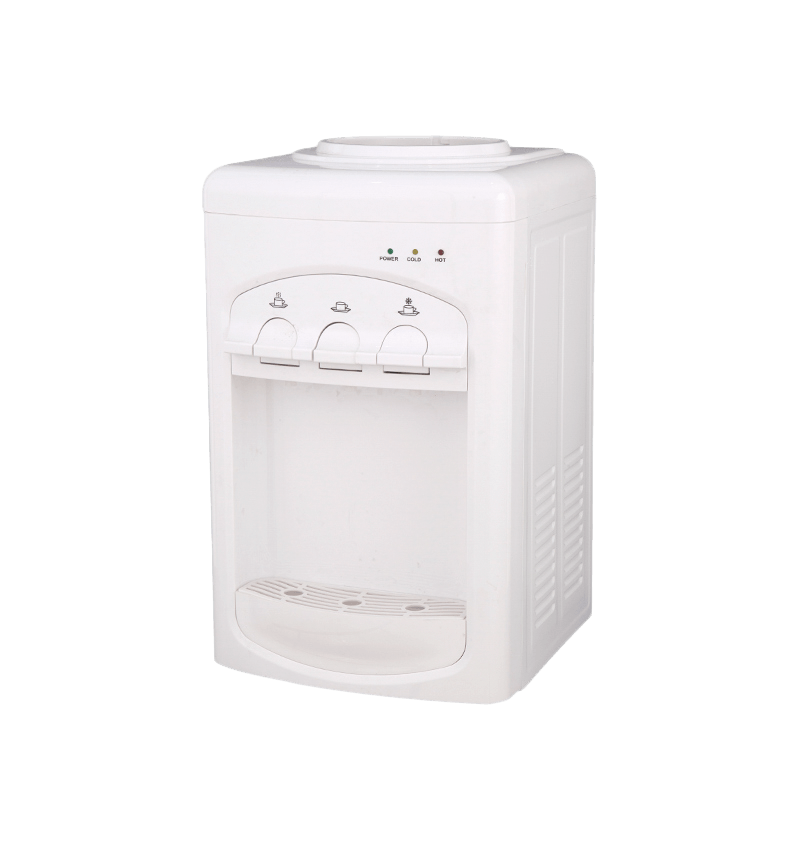
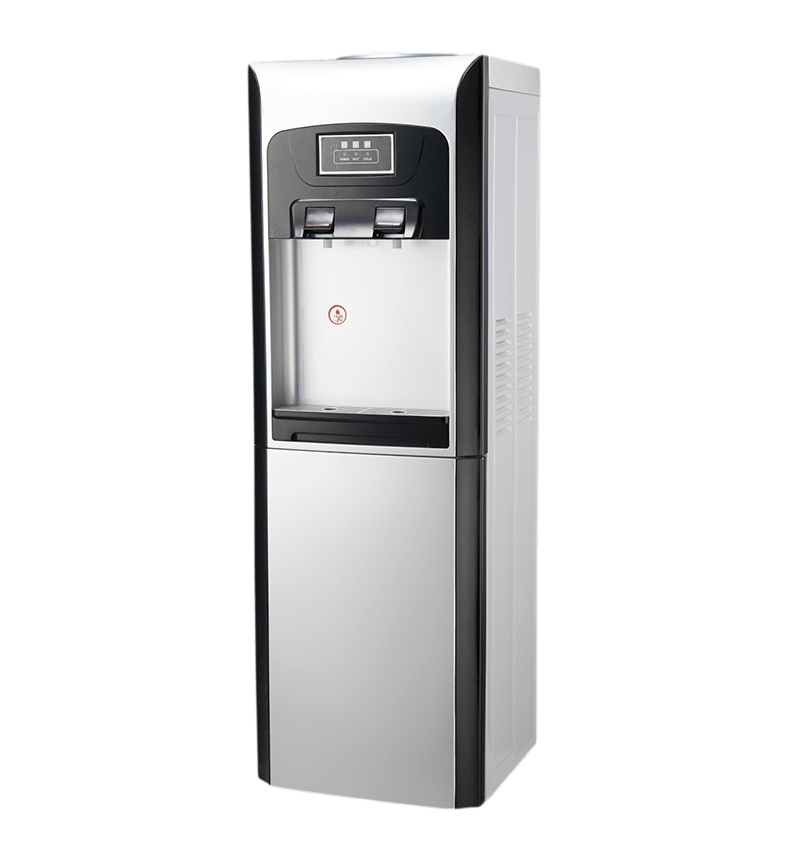
Bottled water dispensers are commonly used in homes, offices, schools, and public spaces to provide convenient access to drinking water. These devices are designed to support large water bottles that are installed on the top or bottom of the unit. Because they hold significant weight and are often placed in areas with frequent human movement, questions about anti-tipping and anti-vibration structures are highly relevant to user safety and daily reliability.
Structural characteristics influencing stability
The overall stability of a bottled water dispenser is closely related to its structural design. The base width, center of gravity, and internal component layout all affect how the unit responds to external forces. Dispensers with a wider base and a lower center of gravity are generally less prone to tipping. Internal placement of heavy components such as compressors, heating tanks, or cooling modules is often designed to counterbalance the weight of the water bottle, contributing to structural stability during normal use.
Role of the base design in anti-tipping performance
The base of a bottled water dispenser plays a critical role in preventing tipping. Many models incorporate reinforced bases made from metal frames or thick plastic shells that distribute weight evenly across the floor. Some bases include extended footprints or weighted plates to increase downward force and friction. These design choices help the dispenser remain upright even when subjected to minor impacts or uneven loading during bottle replacement.
Anti-tipping mechanisms in top-loading dispensers
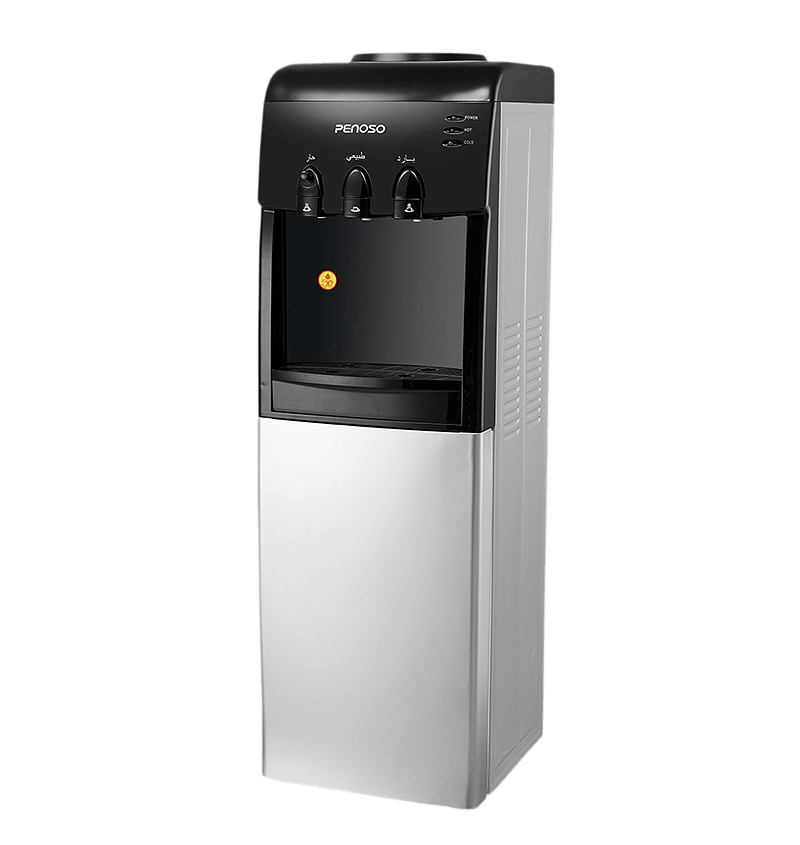
Top-loading bottled water dispensers place the full weight of the water bottle above the main body, which can increase tipping risk if not properly managed. To address this, manufacturers often integrate internal support frames that transfer vertical load directly to the base. Bottle seats are shaped to hold the bottle securely, reducing lateral movement. These structural features help maintain balance when the bottle is installed, removed, or partially emptied.
Stability considerations in bottom-loading dispensers
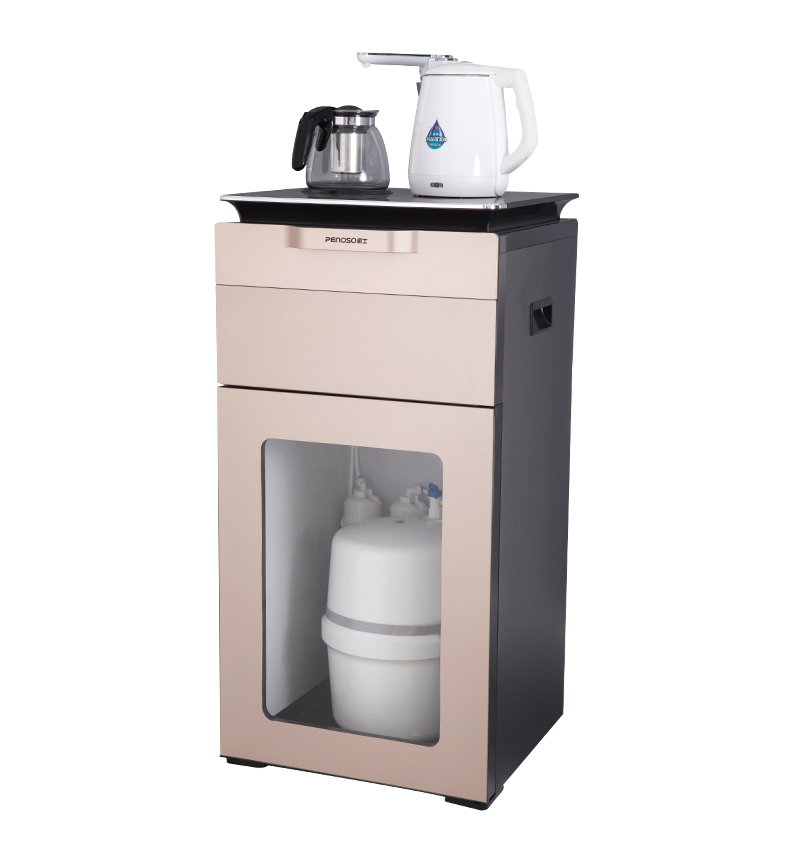
Bottom-loading dispensers generally have a lower center of gravity because the water bottle is placed near the floor. This configuration naturally improves resistance to tipping. However, stability still depends on frame rigidity and base construction. Sliding rails, bottle compartments, and lifting mechanisms are reinforced to prevent shifting during operation. Even with a lower center of gravity, anti-vibration and anti-movement design remains important for long-term stability.
Anti-vibration design and its importance
Anti-vibration structures are designed to reduce movement caused by internal components such as compressors, fans, and pumps. During cooling or heating cycles, these components may generate vibrations that can transfer to the outer shell. Over time, excessive vibration may lead to noise, loosening of internal fittings, or gradual movement of the dispenser. Anti-vibration design helps maintain stable positioning and reduces stress on internal connections.
Use of vibration-damping materials
Vibration-damping materials are commonly used within bottled water dispensers to minimize operational movement. Rubber pads, silicone cushions, and shock-absorbing mounts are installed between vibrating components and the main frame. These materials absorb and dissipate mechanical energy, reducing the transmission of vibration to the exterior. This approach supports both structural stability and quieter operation.
Foot pads and floor contact stability
The interface between the dispenser and the floor significantly affects anti-tipping and anti-vibration performance. Many dispensers are equipped with non-slip foot pads made from rubber or similar materials. These pads increase friction with the floor surface, helping prevent sliding or rocking. Adjustable feet may also be included to compensate for uneven flooring, ensuring all contact points remain stable during use.
Resistance to accidental external forces
In real-world environments, bottled water dispensers may be subjected to accidental bumps, light pushes, or vibrations from nearby equipment. Structural reinforcements and balanced weight distribution help the unit resist these forces. While no freestanding appliance is entirely immune to strong impacts, anti-tipping features reduce the likelihood of instability during everyday interactions.
Influence of bottle size and weight
The size and weight of the water bottle influence stability requirements. Larger bottles place greater load on the dispenser structure and increase potential tipping forces if the unit is not properly balanced. Dispensers are typically designed to accommodate standard bottle sizes with sufficient safety margins. Clear guidance on compatible bottle sizes helps users avoid configurations that could compromise stability.
Assembly quality and manufacturing precision
Anti-tipping and anti-vibration performance also depend on manufacturing quality. Precise assembly ensures that frames, panels, and internal components fit correctly and remain aligned. Loose fasteners or uneven assembly can reduce structural integrity and increase movement during operation. Quality control processes are essential to ensure that stability-related features function as intended.
Impact of installation location
The location where a bottled water dispenser is placed affects its stability. Flat, solid flooring provides better support than soft or uneven surfaces. Placement against a wall or in a corner may offer additional resistance to tipping, although the dispenser should not rely solely on external support. Proper placement complements built-in anti-tipping and anti-vibration structures.
Long-term stability under repeated use
Over time, repeated use such as bottle replacement, dispensing actions, and thermal cycling can affect stability. Durable materials and reinforced joints help maintain anti-tipping and anti-vibration performance throughout the dispenser’s service life. Regular inspection of foot pads, fasteners, and internal mounts supports continued stability and safe operation.
Noise control as an indicator of vibration management
Operational noise often reflects how well vibration is controlled. Excessive noise may indicate inadequate damping or loose internal components. Dispensers with effective anti-vibration structures tend to operate with lower noise levels, suggesting reduced mechanical movement. Noise control therefore indirectly supports stability and user comfort.
Safety considerations in shared environments
In offices, schools, or public spaces, bottled water dispensers are accessed by many users. Anti-tipping structures reduce the risk of accidents caused by leaning, pulling, or unintended contact. Stability-focused design helps protect users from potential injury and prevents water spillage that could create slip hazards.
Comparison of stability-related design elements
| Design Element | Primary Function | Contribution to Stability |
|---|---|---|
| Wide base | Increase contact area with floor | Reduces tipping risk under lateral force |
| Non-slip foot pads | Improve friction with floor | Prevents sliding and minor movement |
| Internal weight distribution | Balance load of water bottle | Maintains lower center of gravity |
| Vibration-damping mounts | Absorb mechanical vibration | Limits movement and noise during operation |
| Reinforced frame | Support structural loads | Improves resistance to external impact |
User behavior and its effect on stability
User behavior can influence how effectively anti-tipping and anti-vibration features perform. Proper bottle installation, gentle handling during replacement, and avoiding leaning on the dispenser all contribute to safe use. While the structure provides baseline stability, responsible use ensures that design limits are not exceeded.
Adaptation to different usage environments
Bottled water dispensers are used in diverse environments ranging from quiet homes to busy commercial spaces. Anti-tipping and anti-vibration structures are designed to function across these contexts by accounting for movement, noise sensitivity, and space constraints. A well-balanced design allows the dispenser to remain stable without requiring complex installation or anchoring.
Relationship between stability and overall durability
Stability is closely linked to overall durability. Reduced vibration lowers mechanical stress on components, which can help prevent premature wear. A stable structure also minimizes the risk of accidental damage caused by tipping or movement. As a result, anti-tipping and anti-vibration features contribute to consistent long-term operation.
Practical evaluation of anti-tipping and anti-vibration features
From a practical standpoint, the presence of anti-tipping and anti-vibration structures can be evaluated by observing how the dispenser behaves during normal use. Minimal rocking when dispensing water, stable positioning after bottle replacement, and controlled noise during cooling or heating cycles indicate effective stability design. These observable characteristics help users assess whether the dispenser meets safety and performance expectations.