 English
 عربى
عربى Português
 Español
Safety Considerations in the Design of a Top Loading Water Dispenser
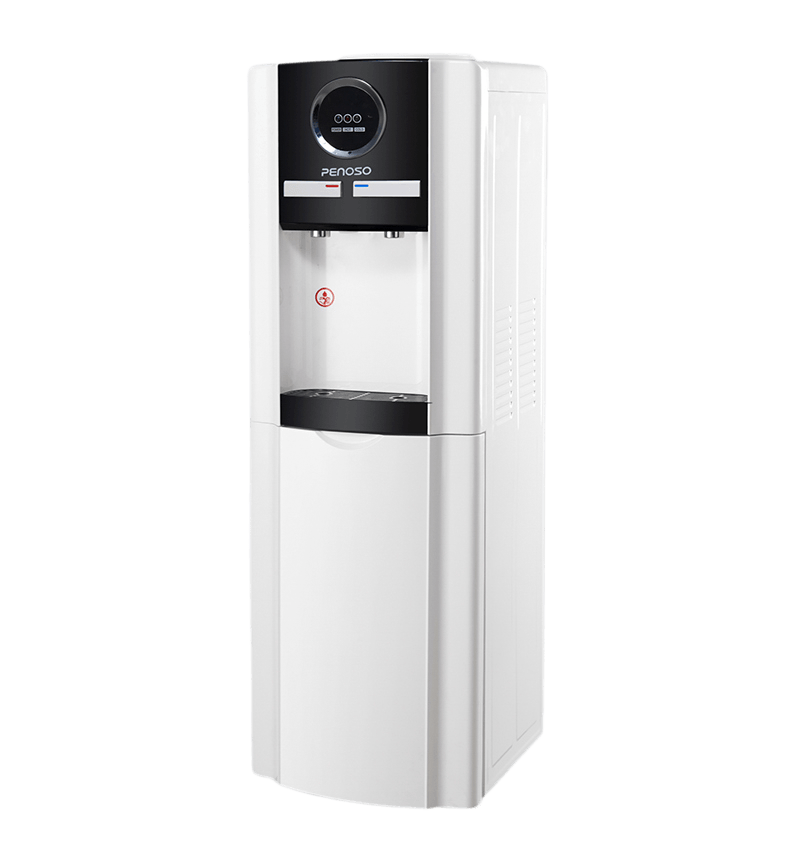
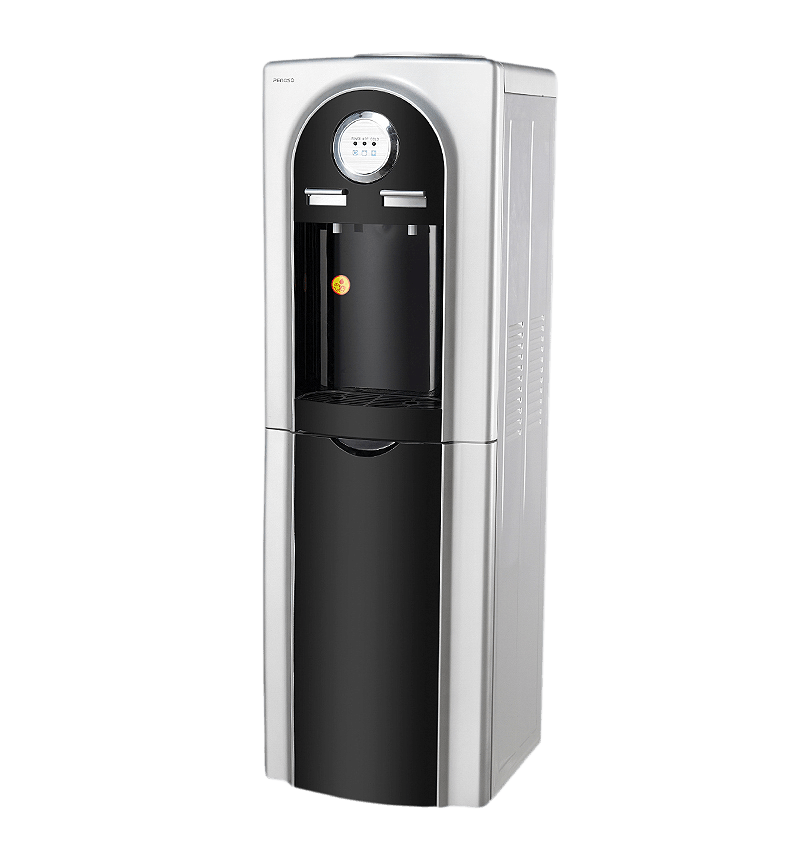
A top loading water dispenser is widely used in offices, homes, public facilities, and various indoor environments where convenient drinking water access is required. Its structure places the water bottle above the dispensing unit, allowing gravity to feed water into the internal system. When examining whether such a device includes anti-scalding, anti-overflow, and anti-leakage designs, it is necessary to understand how manufacturers integrate multiple layers of safety within both heated and cooled water pathways. These safety functions contribute to stable performance, user comfort, and consistent operation. Alongside this, many modern models—including electronic cooling water dispensers—combine different technologies to regulate temperature, control water flow, and reduce risks associated with daily use.
Anti-Scalding Design in Heated Water Systems
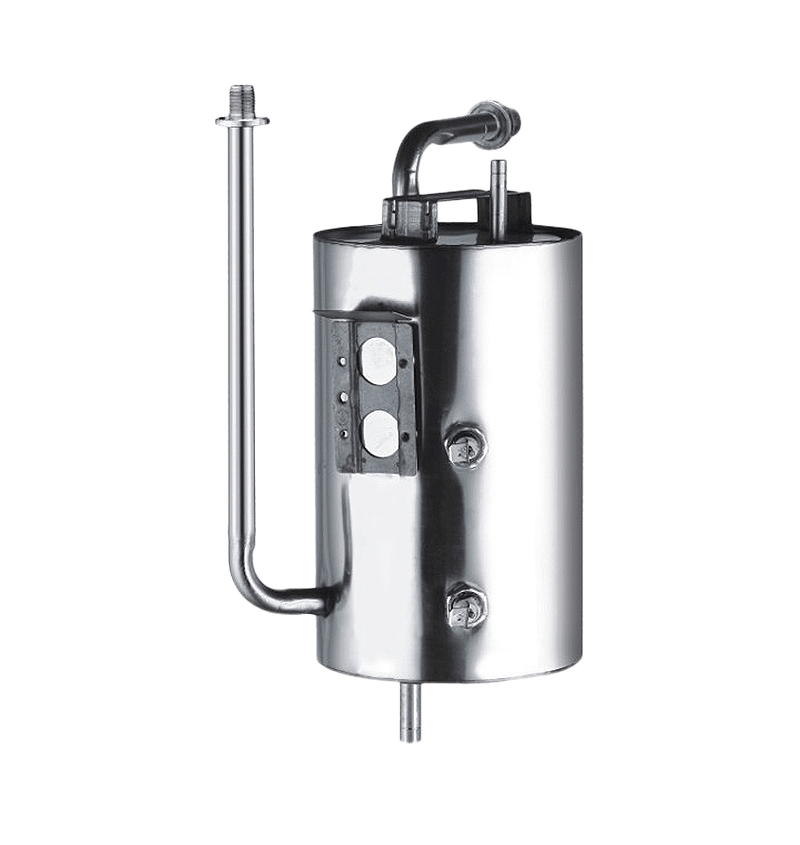
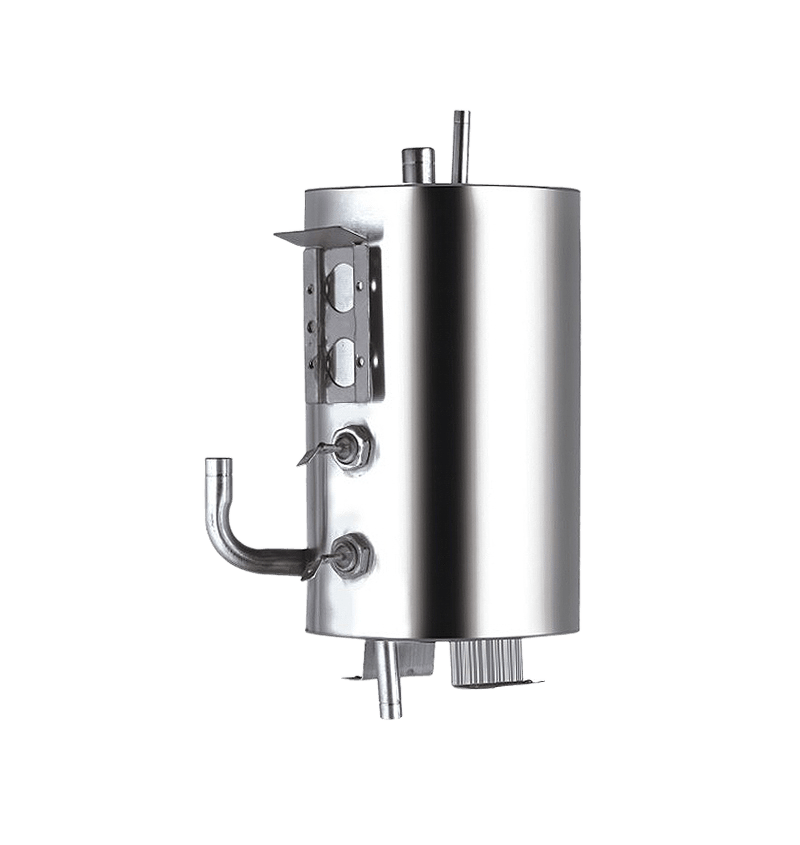
Heated water dispensing is one of the core features of a top loading water dispenser, and the anti-scalding mechanism is an important component that helps maintain user safety. This feature often includes controlled heating elements, insulated hot water tanks, and temperature limiters. These mechanisms work together to provide hot water while managing the risk of excessive heat near external surfaces or dispensing points. Some units incorporate a child safety lock on the hot water lever, which requires additional pressure or button activation before dispensing. This helps ensure accidental operation does not result in unintended hot water release. For electronic cooling water dispensers that also offer heating functions, the anti-scalding design ensures users can enjoy a stable hot water source with reduced risk during direct handling.
Temperature Control Technologies and Their Effectiveness
The temperature control mechanisms adopted by manufacturers influence the performance of the anti-scalding design. Most modern top loading water dispenser models include thermostatic controllers to maintain consistent temperature levels inside the hot tank. These controllers keep water within a functional range suited for beverages while avoiding overheating. Additional insulation around the tank helps minimize heat transfer to the exterior casing, reducing the chance that users accidentally touch a hot surface. Advanced models may integrate electronic sensors that regulate heating cycles to avoid rapid temperature spikes. These technological features collectively support safer interactions by moderating heat output and ensuring that heated water remains at a stable level suitable for daily drink preparation.
Anti-Overflow Features and Water Flow Management
Overflow prevention is another important design consideration for a top loading water dispenser. Because the water bottle sits at the top, it relies on vacuum pressure and gravity control to maintain steady water flow into the internal reservoir. Anti-overflow systems often include a float valve mechanism or electronic water level sensors. These components detect when the internal tank reaches its capacity and automatically stop further inflow. This protects the machine from internal flooding and prevents water from spilling out from the dispensing area. In electronic cooling water dispensers, anti-overflow detection can also integrate into the cooling tank, ensuring consistent and safe water circulation while preventing instability in water levels during refrigeration cycles. Such features are essential for maintaining system hygiene and performance.
Structural Design for Overflow Prevention
The internal structure of a top loading water dispenser influences how well the anti-overflow system functions. Many models include a sealed internal tank with dedicated inflow channels that regulate volume. By managing the movement of water between chambers, the design minimizes the probability of excessive water accumulation. Air displacement vents are also commonly included to maintain pressure balance during bottle installation. Without these vents, rapid inflow could cause water to rise beyond the tank’s intended limit. Manufacturers also construct the dispensing tray with additional depth to catch small spills that may occur during day-to-day use, helping to reinforce the overall anti-overflow capability.
| Safety Feature | Typical Components | Function |
|---|---|---|
| Anti-Scalding | Thermostat, insulation, child lock | Maintains stable temperature and reduces accidental hot water contact |
| Anti-Overflow | Float valve, water level sensors | Controls inflow and prevents excess water accumulation |
| Anti-Leakage | Seals, reinforced tank connections | Protects internal and external surfaces from leaks |
Anti-Leakage Technology and Structural Integrity
Leak prevention is integral to the functionality of a top loading water dispenser. This type of dispenser supports a heavy water bottle at the top, and therefore requires a stable and secure connection point to avoid leaks where the bottle meets the dispenser. Many designs incorporate a sealing ring or gasket around the bottle entry. This ring compresses firmly when the bottle is installed, creating a tight seal that resists water escape. Internally, the unit may include reinforced tubing and connectors designed to manage continuous water flow without loosening. For models that operate as electronic cooling water dispensers, cooling tubes and internal reservoirs are also reinforced to avoid condensation-related leaks. A reliable anti-leakage structure improves durability and reduces risks in high-use environments.
Internal Water Path Reinforcement
The internal pathways of a top loading water dispenser are typically constructed from durable materials that resist wear and maintain stability across varying temperatures. Heat-resistant tubing is used in hot water pathways, while insulated tubing prevents condensation in cooling systems. Reinforced joints and connectors help maintain secure water transfer throughout the unit. Manufacturers may also incorporate additional trays or compartments designed to collect small amounts of water from drips, providing an extra safeguard against accidental leakage. This structural approach helps ensure that minor pressure changes within the system do not compromise the integrity of the water pathway.
User Experience and Daily Operation
The safety designs integrated into a top loading water dispenser influence the overall user experience. Anti-scalding features help users dispense hot water with greater confidence, especially when children or elderly individuals are present. Anti-overflow protections reduce the need for frequent cleanup and limit operational interruptions. Anti-leakage features support long-term use by reducing the likelihood of unexpected water damage around the installation area. These safety elements work together to support smooth interaction, minimize maintenance requirements, and enhance overall dependability. In environments where an electronic cooling water dispenser is used alongside heating functions, these combined safety systems help preserve consistent usability and controlled water output.
Environmental Factors and Safety System Performance
Environmental conditions can influence how well the anti-scalding, anti-overflow, and anti-leakage features perform. High humidity may affect cooling efficiency in electronic cooling water dispensers, while extremely dry environments can increase internal pressure fluctuations during bottle replacement. Manufacturers account for these variations by designing adaptive components, such as pressure-regulating valves and insulated casings. Regular maintenance, such as cleaning reservoir tanks or checking seals, also plays a role in sustaining optimal safety performance. A top loading water dispenser benefits from periodic inspection to ensure that sensors, valves, and seals continue functioning as intended across different environmental conditions.
| Environmental Condition | Potential Impact | Design Response |
|---|---|---|
| High Humidity | Condensation near cooling components | Insulated cooling tubes and sealed casings |
| Dry Climate | Pressure fluctuations during bottle changes | Adaptive venting systems |
| High Usage Volume | Frequent temperature cycling | Reinforced thermostatic control |
Integration of Multiple Safety Functions in Modern Models
Modern manufacturers increasingly integrate safety functions in a unified system to provide a balanced performance. A top loading water dispenser may include linked sensors that communicate between the heating unit, internal tank, and water level control components. Such integration allows the device to adjust operations based on real-time conditions. For example, when water levels drop below a safe threshold, the system may reduce heating activity to prevent dry boiling. Similarly, electronic cooling water dispensers may adjust cooling cycles to accommodate shifts in water inflow and prevent internal pressure buildup. By combining multiple technologies, these dispensers achieve consistent water output while supporting safer everyday use.