 English
 عربى
 Português
 Español
How does a water crock work? It depends on gravity, not a pump. Water sits in an upper chamber, passes through a filter if the crock has one, collects in a lower chamber, and flows from a spigot when you press or turn the tap. A full crock delivers water at a modest rate; a nearly empty one slows to a trickle. That simple behavior explains most of the ownership experience: no electricity, no plumbing, room-temperature water, and a filter that needs attention on a schedule rather than only when the water starts tasting odd.
The practical conclusion is equally simple: a water crock suits low-to-moderate daily use, a counter with enough height for lifting a heavy upper chamber, and a household willing to clean the reservoir and replace filters. It is a poor match for high-volume office use, for water that needs verified contaminant removal, or for anyone who expects chilled water. The rest of this guide explains the mechanism, the filter's real job, and the purchasing details that separate a convenient crock from a maintenance annoyance.
The Working Path: From Upper Chamber to Spigot
Most countertop crocks share the same four-part layout: an upper reservoir, a filter housing, a lower storage chamber, and a spigot. The lid matters more than it looks. It keeps dust and kitchen debris out, and a small vent or loose fit allows air to enter as water leaves. If the vent is blocked by a tight seal or a full lid gasket, flow can stop even when the upper chamber is full.
- You lift the lid and fill the upper chamber with tap water, well water, or another potable source.
- Water moves downward by gravity through a ceramic candle, carbon block, granular carbon bed, or no filter at all, depending on the model.
- Treated water collects in the lower chamber. That chamber is the reserve you draw from during the day.
- Opening the spigot lets water out. The water level in the lower chamber falls, and the pressure difference keeps the next batch moving through the filter.
Some crocks are simple ceramic dispensers with no filter; others use a candle or block that sits in the upper chamber. The path is the same, but the treatment is not. A crock without a filter can still be a useful serving vessel, yet it should not be described as purifying water. A crock with a filter can improve taste and reduce certain contaminants, but only within the limits of that specific filter and its certification.
What the Filter Does, and What It Does Not Do
Carbon is the most common filter medium in a water crock. It reduces chlorine, improves taste and odor, and can capture some volatile organic compounds. A ceramic candle is a different tool: it traps sediment and, in some designs, reduces microbes through fine pores. Neither material is a universal treatment. A gravity crock is not a water softener, a reverse osmosis system, or a desalination unit. It will not reliably remove dissolved salts, nitrate, arsenic, or every possible contaminant unless the filter carries a specific certified claim.
That distinction matters at the point of purchase. Look for claims tied to recognized standards: NSF/ANSI 42 covers aesthetic effects such as chlorine, taste, and odor; NSF/ANSI 53 covers health-related contaminants such as lead, cysts, and certain volatile organic compounds. A filter can be certified for one contaminant and not another. Dense carbon blocks usually slow the flow because water has more contact time with the medium, while loose granular carbon may flow faster but can channel or settle over time. A common mistake is replacing a slow filter with a higher-flow model without checking whether the new filter preserves the same certified reduction claims.
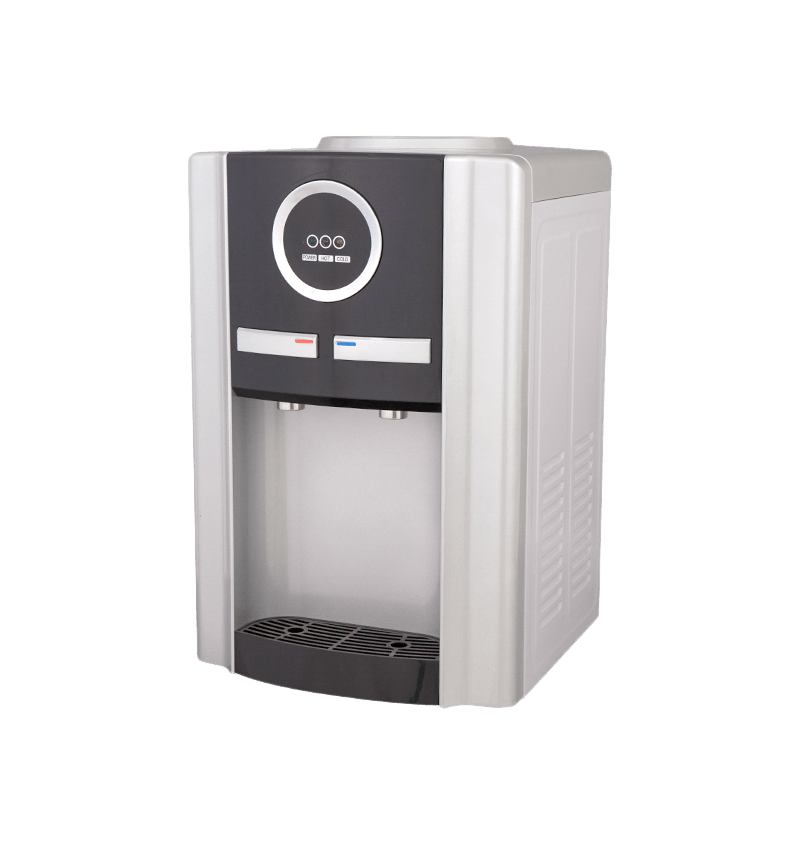
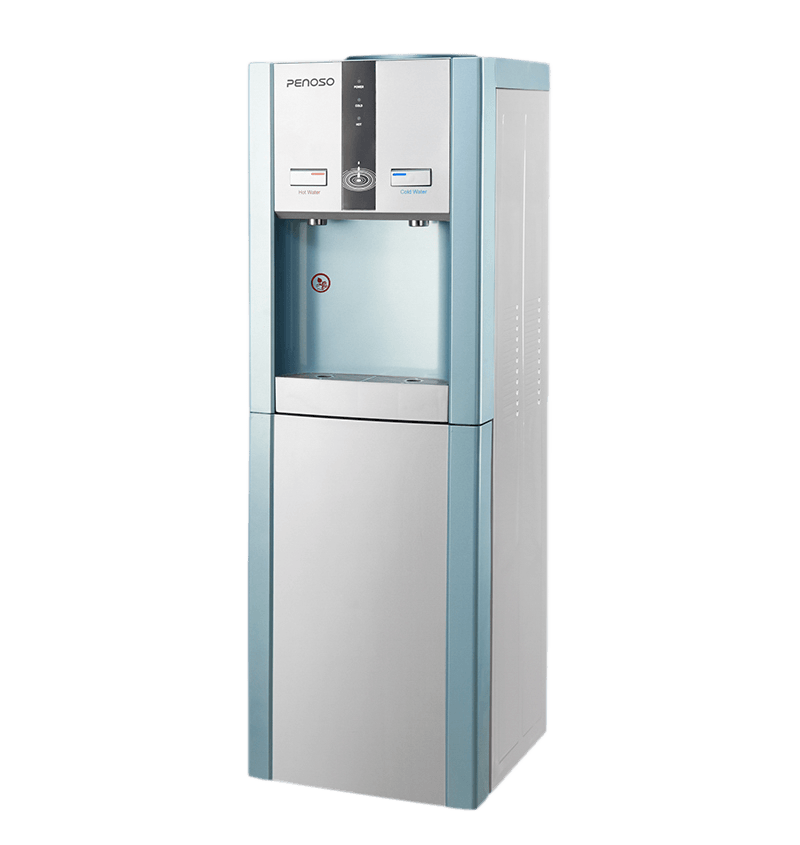
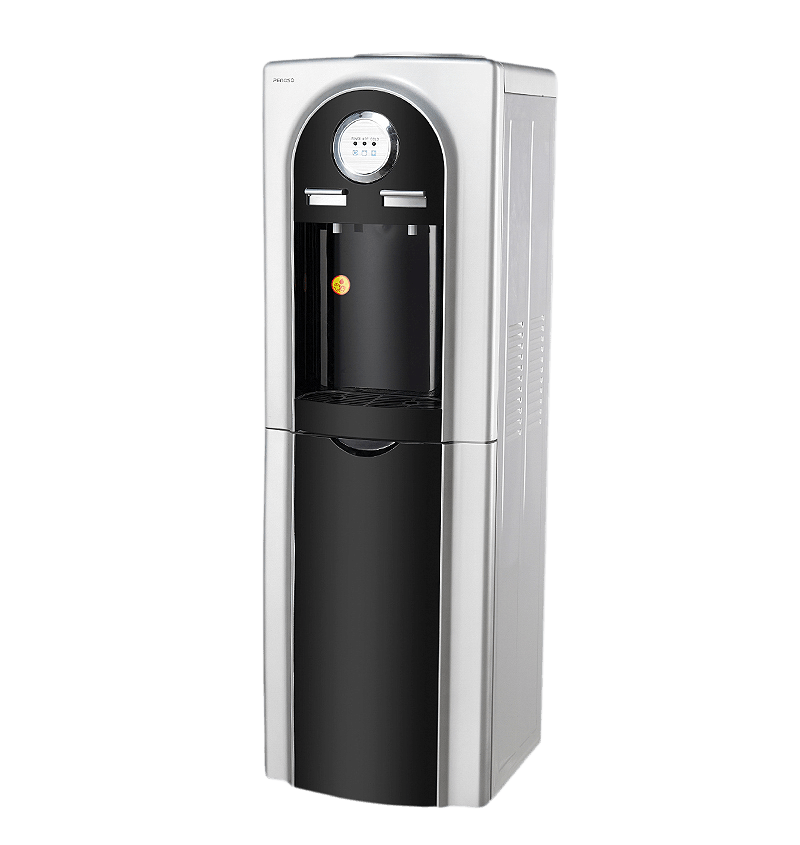
 Pipeline RO/UF Hot and Cold Water DispenserA hot-and-cold dispenser with RO or UF filtration, offered in electronic and compressor-cooled configurations for different chilling and storage needs.View Product →
If the source water is hard, high in total dissolved solids, or affected by nitrate, a gravity crock is the wrong treatment category. A reverse osmosis dispenser or a separately certified purifier may be more appropriate, and the purchase decision should follow a water test rather than the crock's appearance.
Flow Rate, Capacity, and Daily Handling
Gravity systems are sensitive to head height. The more water above the filter, the stronger the push; as the upper chamber empties, flow declines. That is normal, not a defect. Many household crocks hold roughly 2 to 5 gallons, or about 7.5 to 19 liters. A full 5-gallon upper chamber weighs around 42 pounds, or 19 kilograms, before the crock body is counted. If the crock sits on a high counter or under a low cabinet, lifting and seating that reservoir becomes a daily strain rather than a minor chore.
Relative gravity flow as the upper chamber empties
Check the spigot height before buying. A tall travel mug may not fit under a short tap, and a crock pushed against a backsplash may not leave room to tilt the body for cleaning. Small kitchens often do better with a compact countertop dispenser than with a large crock that dominates the work surface. Refill frequency is the other practical limit: a two-person household may fill a 3-gallon crock every day or two, while a larger family may need multiple fills and a second reserve container.
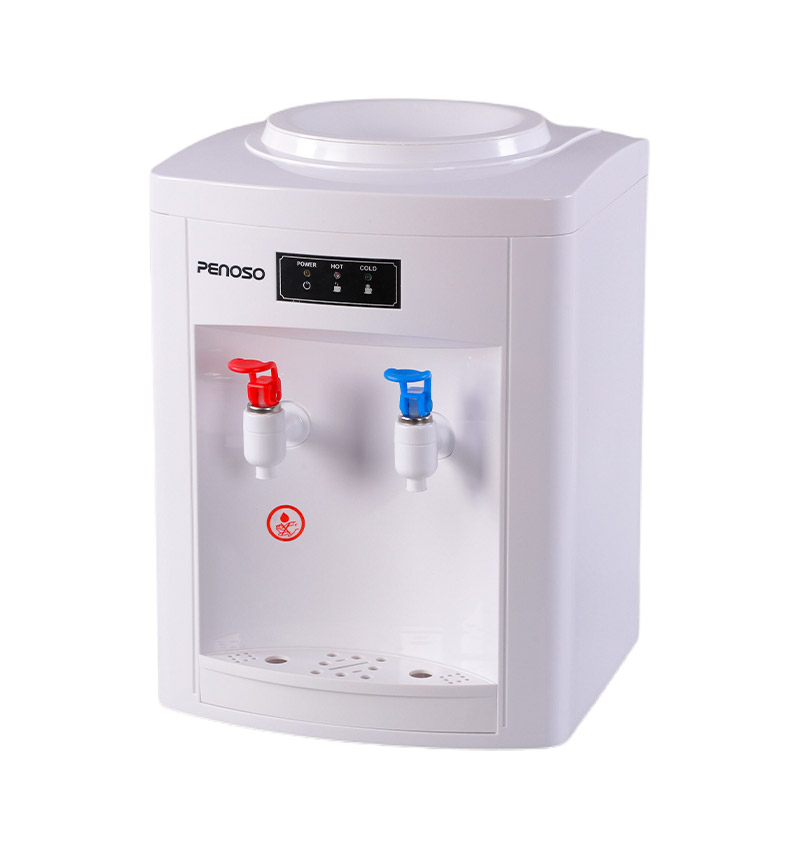
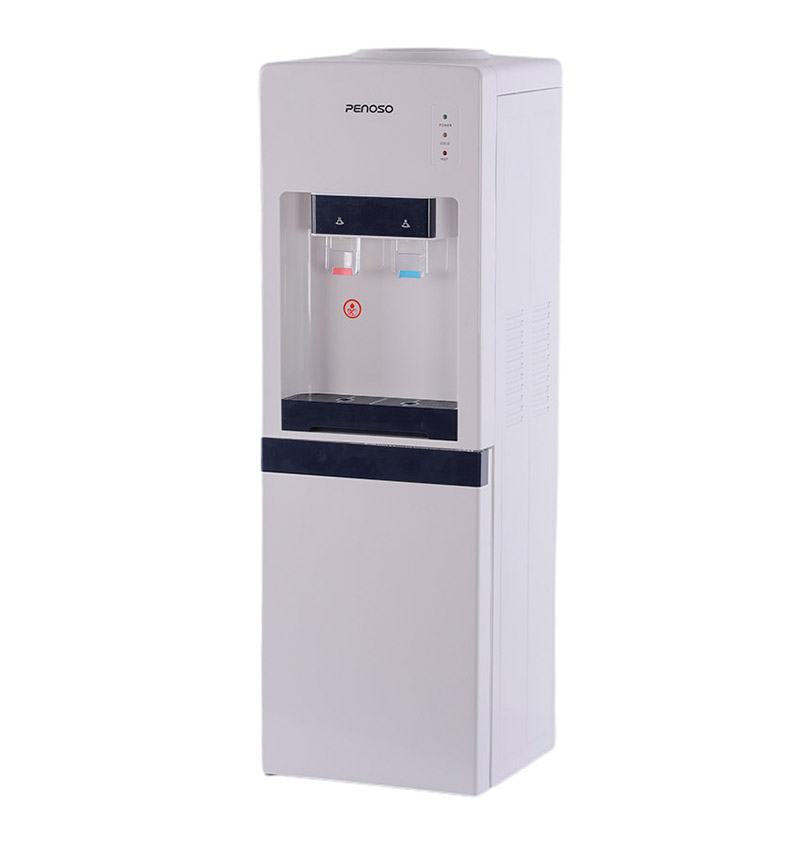
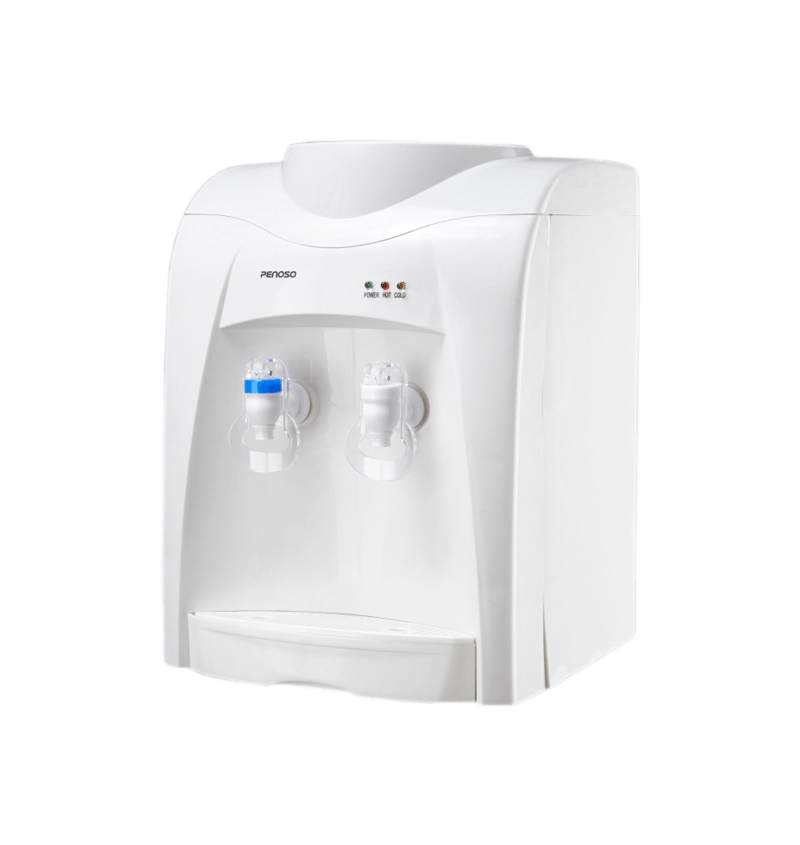 Compact Mini Hot and Cold Water DispenserA compact home dispenser for hot and cold water, suited to small countertops where spigot clearance and easy refilling are practical considerations.View Product →
Maintenance: The Part Buyers Underestimate
The lower chamber is a wet, room-temperature reservoir, which is exactly the kind of environment that rewards routine cleaning. Empty it weekly or at least every two to four weeks, wash it with mild soap and a soft brush, rinse thoroughly, and let it air-dry upside down. Clean the spigot exterior and flush a little water through the tap after cleaning. Do not use abrasive scouring pads on a glazed ceramic body, because scratches create places for residue to collect.
- Replace carbon filters on the manufacturer's gallon rating or time interval, not only when taste changes.
- Inspect ceramic candles for cracks, chips, or a loose seal; a damaged candle can let unfiltered water bypass the medium.
- Check the lid vent and spigot washer. A slow drip at the tap is usually a worn seal or mineral buildup, not a sign that the crock needs replacing.
- Dry the crock completely before storing it, and do not store a wet filter in a sealed container for long periods.
Filter cost deserves a three-year view. An inexpensive crock with frequent proprietary filter changes can cost more than a better-built model with standard cartridges. Buyers should confirm the replacement part number, the rated capacity, and whether the filter can be cleaned or must be discarded.
Water Crock vs. Bottled and Plumbed Dispensers
The crock's advantage is independence: no power cord, no plumbing line, and no bottle delivery schedule. Its cost is labor and slow flow. A modern bottle water dispenser removes the lift-and-pour routine but ties the household to bottle storage and delivery. A bottleless or reverse osmosis dispenser needs electricity and a water connection, yet it handles higher volume and can add chilled or hot water. The right choice depends on who fills the reservoir, who cleans it, and whether the water source needs treatment beyond taste improvement.
| Feature | Water crock | Bottled water dispenser | Bottleless or RO dispenser |
|---|---|---|---|
| Water source | Manual fill from a potable tap or well | Delivered 3- to 5-gallon bottles | Direct plumbing line |
| Power and plumbing | None required | Electricity for hot or cold functions | Electricity and a water connection |
| Filtration | None or model-specific carbon or ceramic filter | Usually none | Built-in filtration, often carbon and RO |
| Best fit | Low-volume countertop serving | Kitchens or offices with bottle delivery | Higher volume and controlled water quality |
| Maintenance focus | Reservoir cleaning and filter replacement | Bottle handling and dispenser sanitation | Filter changes, membrane care, and line cleaning |
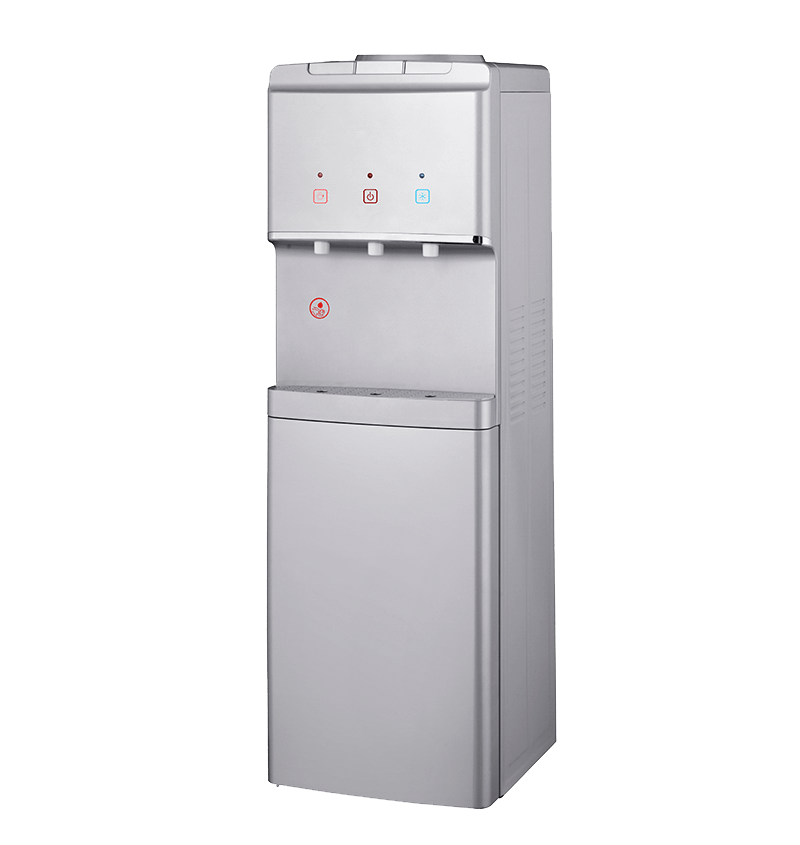
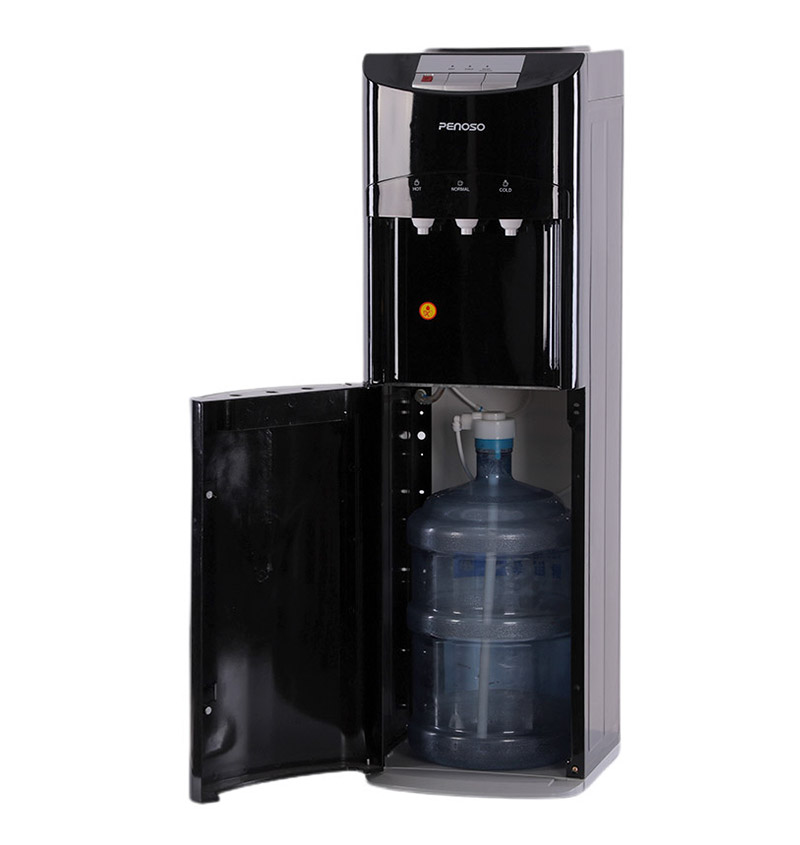 Self-Cleaning Bottom-Loading Water Cooler DispenserA bottom-loading dispenser with hot, cold, and normal water plus self-cleaning and a child safety lock for convenient household drinking water.View Product →
For a household that already has good municipal water and wants a simple countertop vessel, a crock can be entirely reasonable. For a clinic, office, or family that drinks several gallons a day, the refill and cleaning cycle becomes the deciding factor. In that case, the question is not whether a crock looks better on the counter, but whether the daily labor is acceptable.
How to Choose a Water Crock That Fits the Counter
Start with capacity and clearance, then work backward to filtration. Measure the counter depth, the height under the upper cabinet, and the tallest cup you plan to fill. Check the weight of a full upper chamber and decide whether you can lift it safely. A crock with a wide opening is easier to scrub than one with a narrow neck, and a removable spigot is easier to descale.
- Confirm the filter's certification and the exact contaminants it is rated to reduce.
- Price replacement filters and estimate annual cost before comparing purchase prices.
- Look for a food-contact glaze, a stable base, and a lid that stays seated without sealing the vent.
- Choose a body size that leaves room for refilling, not just for serving.
- If water quality is uncertain, test first and compare a certified water purifier rather than relying on a decorative crock.
A water crock works because it is simple: gravity moves water through a filter into a lower chamber, and a spigot releases it on demand. That simplicity is also its limitation. The crock does not chill water, does not soften hard water, and does not replace a certified purifier. It performs best when the water is already potable, the household drinks a moderate amount, and someone is willing to clean the reservoir and change the filter on schedule. Buyers who understand those trade-offs can choose a crock for exactly what it does well, without expecting it to behave like a plumbed appliance.