 English
 عربى
 Português
 Español
Five gallons shows up in three different shopping trips: a water jug for the office cooler, a pail of paint for a hallway, and a bulk container of anything sold by volume. The short answer is that five US gallons equals 18.93 litres, weighs about 41.7 pounds when it holds water, and costs anywhere from roughly $1.50 to $320 depending on which five gallons you are buying. The liquid itself rarely drives that spread. Packaging, delivery, deposits and brand position set the price, which is why the same volume of water can cost $0.40 a gallon at a refill station and about $11 a gallon in small bottles.
What Five Gallons Actually Measures
Volume comes first, because a surprising number of price comparisons go wrong when the unit is assumed rather than checked. Five US gallons is not the same as five imperial gallons, and a five-gallon bucket on a hardware shelf is usually rated to that level rather than filled to the brim.
| Unit | Equivalent of five US gallons |
|---|---|
| Litres | 18.93 L |
| US quarts | 20 |
| US pints | 40 |
| Fluid ounces | 640 fl oz |
| Cups (8 oz) | 80 |
| Weight when filled with water | 41.7 lb / 18.9 kg |
| 8 oz bottles | 80 bottles |
| 16.9 oz bottles | 7.6 bottles |
The imperial figure matters if you buy from a supplier still quoting imperial units. Five imperial gallons is 22.7 litres, roughly a fifth more water than the US measure, so a per-gallon price quoted in imperial units will look lower than the US equivalent even when the real cost is identical.
How Much Five Gallons of Water Costs
Drinking water is where the range is widest, and where the delivery model matters far more than the water. The chart below converts typical US prices to a per-gallon basis so the channels can be compared directly.
A refill station is cheap because you supply the jug, the transport and the cleaning. Delivered water carries a route, a driver, a sanitizing step and a deposit system. Retail jugs carry shelf space and a brand name. Single-serve bottles carry more packaging per litre than anything else in the category, which is why the same five gallons that costs about $2 to refill can pass $55 in 16.9-ounce bottles.
Two charges are easy to miss on a delivered-water invoice. The first is the jug deposit, usually $10 to $15 per container and refundable on return. The second is a delivery minimum or stop fee, common in rural areas and often $5 to $10 per visit. Neither changes the water, but both change the effective price per gallon, especially for a household that empties one jug every two weeks.
Five Gallons of Paint: A Different Price Story
Paint is the other common reading of this question, and the numbers look nothing like water. A five-gallon pail of interior paint runs from about $60 for builder-grade flat to $320 or more for a premium 100% acrylic. The pail format is typically 20 to 30 percent cheaper per gallon than the same product in single gallons, which is exactly why contractors buy it that way.
| Grade | Typical five-gallon price | Coverage, one coat |
|---|---|---|
| Builder-grade interior flat | $60 to $110 | 1,750 to 2,000 sq ft |
| Mid-grade acrylic | $110 to $200 | 1,750 to 2,000 sq ft |
| Premium 100% acrylic | $200 to $320 | 1,750 to 2,000 sq ft |
Coverage stays fairly consistent across grades, so the pail size is rarely the variable that decides a project. Sheen and resin solids raise cost faster than volume does. Mis-tinted pails are the other end of the market, sometimes sold for $10 to $40 for five gallons because the color cannot go back into stock; for a garage, a storeroom or a rental unit, that is often the cheapest coating in the building.
The Container Often Costs More Than the Water
A filled five-gallon jug weighs about 42 pounds, and that weight is the real design constraint behind most dispenser decisions. Lifting it onto a top-loading cooler is the single most common complaint among office staff and older users, and it is also where most spillage happens.
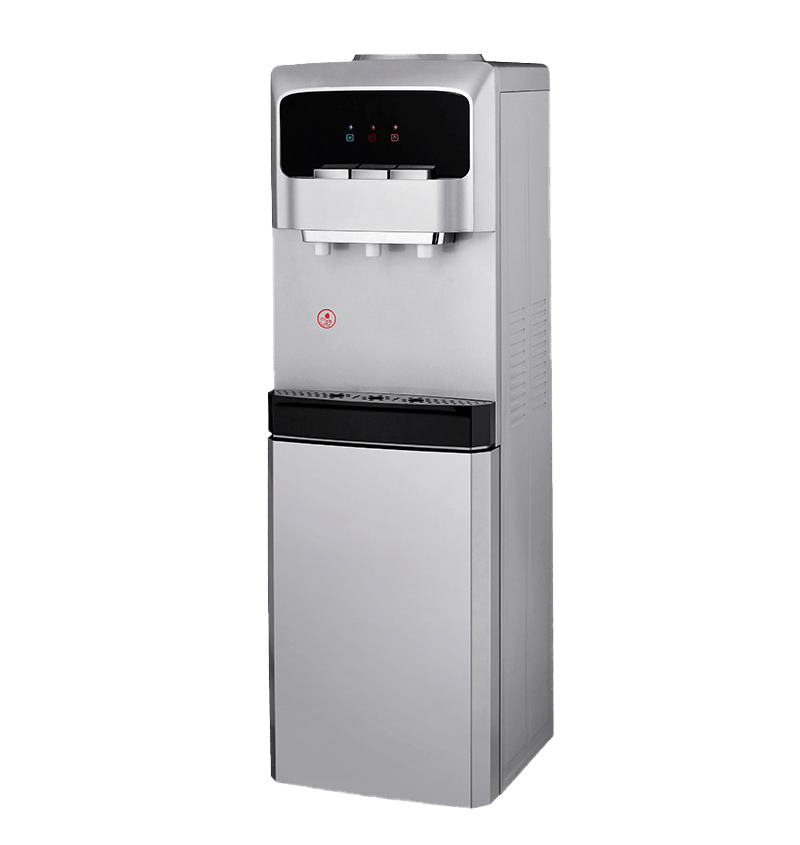
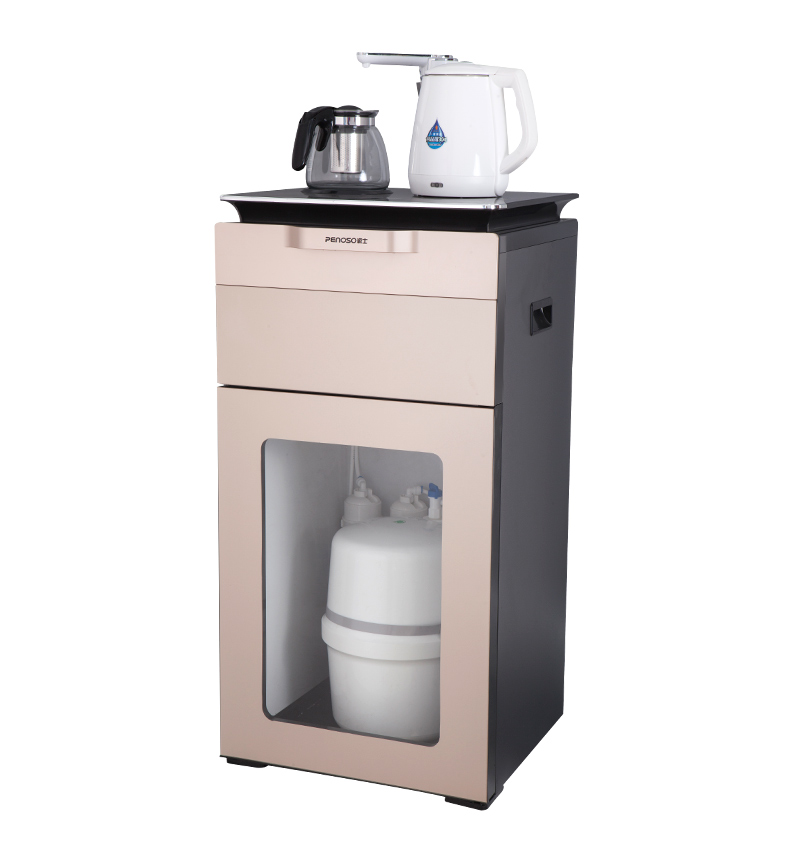
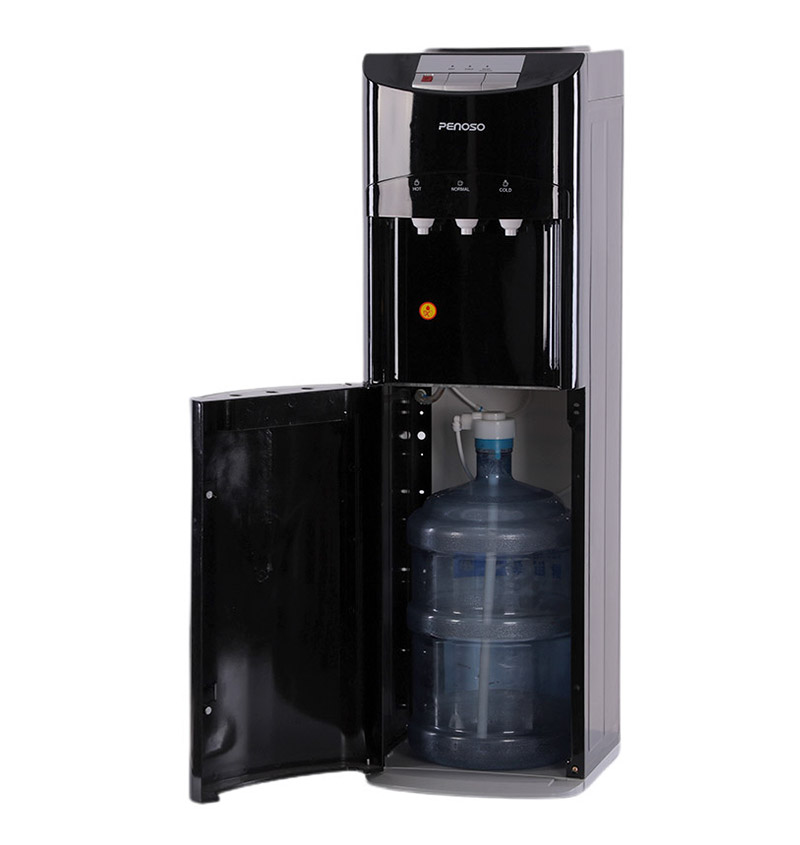 Self-Cleaning Bottom-Loading Water Cooler with Three TemperaturesThis self-cleaning bottom-loading cooler avoids lifting heavy jugs and offers hot, cold and normal water with a child safety lock.View Product →
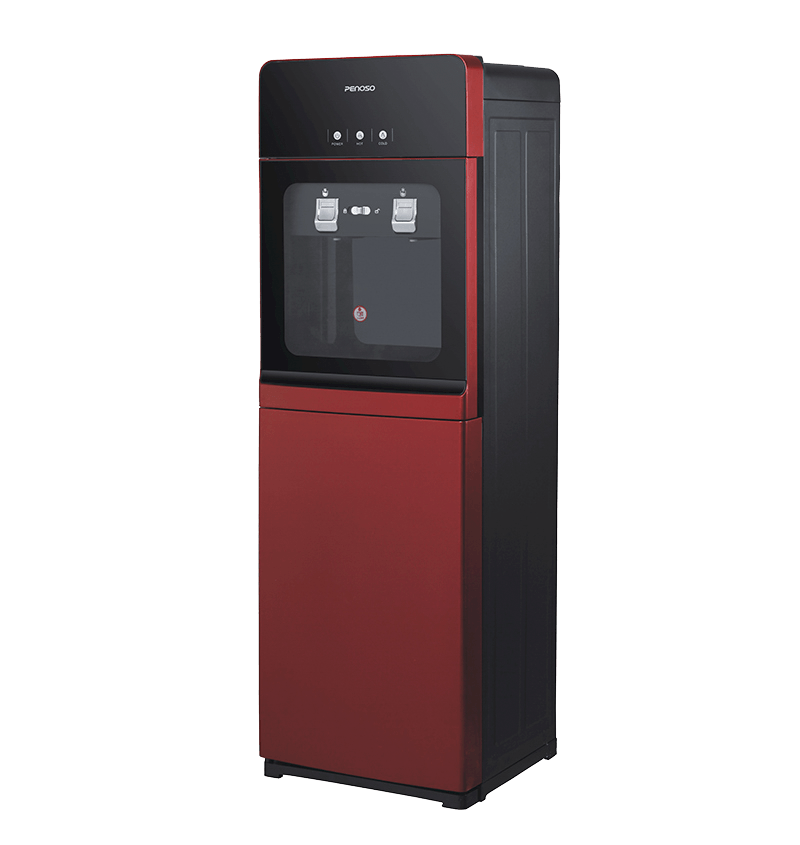
Bottom-loading cabinets take the jug at floor level and pump the water upward, which removes the lift but adds a small pump and a little running noise. If you would rather stop handling jugs altogether, a bottleless dispenser that plumbs directly into the mains eliminates the jug, the deposit and the storage problem, at the cost of an installation point and scheduled filter changes.
Weekly Jugs or a Plumbed Machine: The Yearly Numbers
A household drinking two five-gallon jugs a week is consuming about 1.4 gallons a day, which is realistic for a family of four that also cooks and brews coffee with filtered water. Spread across a year, the delivery model matters more than the per-jug price.
The comparison is not perfectly fair to jug water, which needs no plumbing and no drain, and it is not perfectly fair to a purifier either, since the first-year figure excludes building work in some properties. The direction is still clear: past roughly one jug a week, the fixed cost of a purifier is recovered within a year or two, and the running cost afterwards is cartridges rather than trucks.
Offices scale differently. Twenty people drinking two litres each on a working day comes to about 10.5 gallons, or two jugs, every day. At that point storage, lifting and delivery frequency become operational problems, and commercial water dispensers sized for shared use usually cost less than stacking jugs in a corridor.
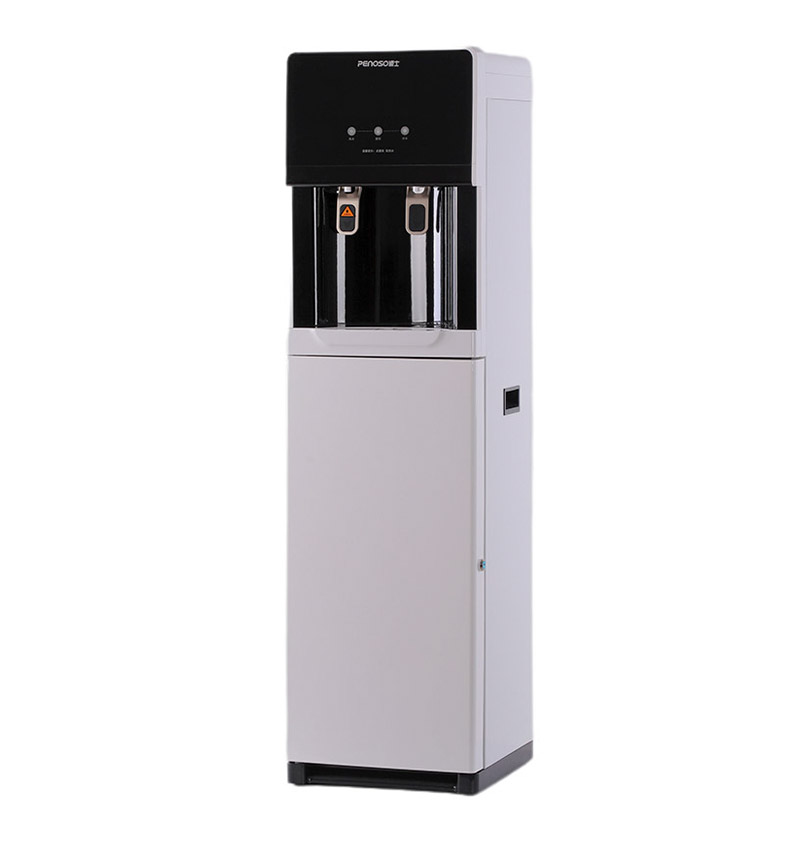
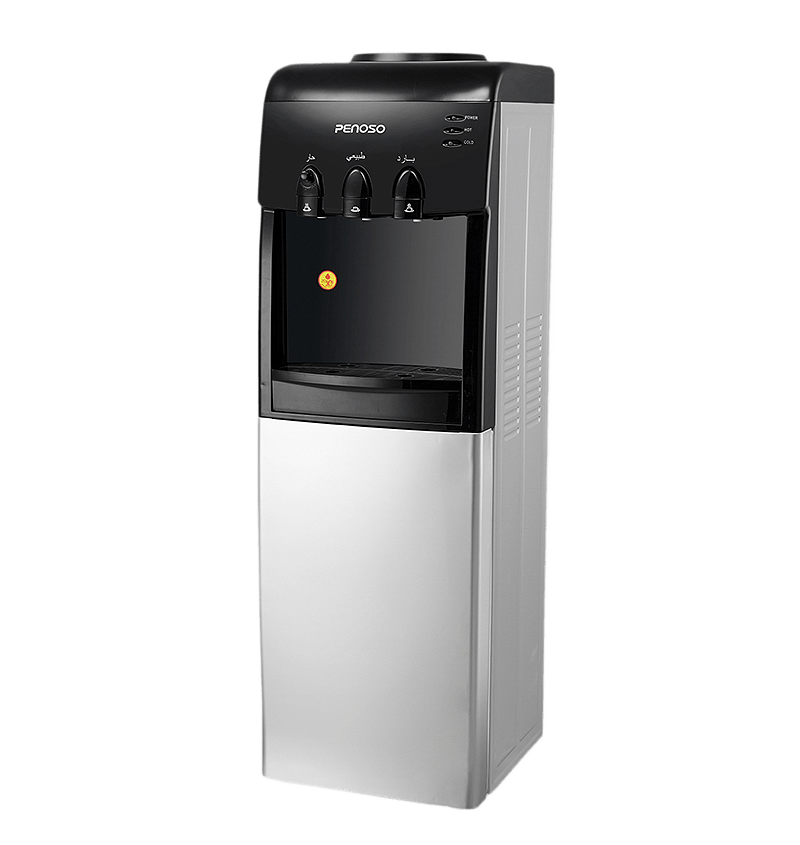
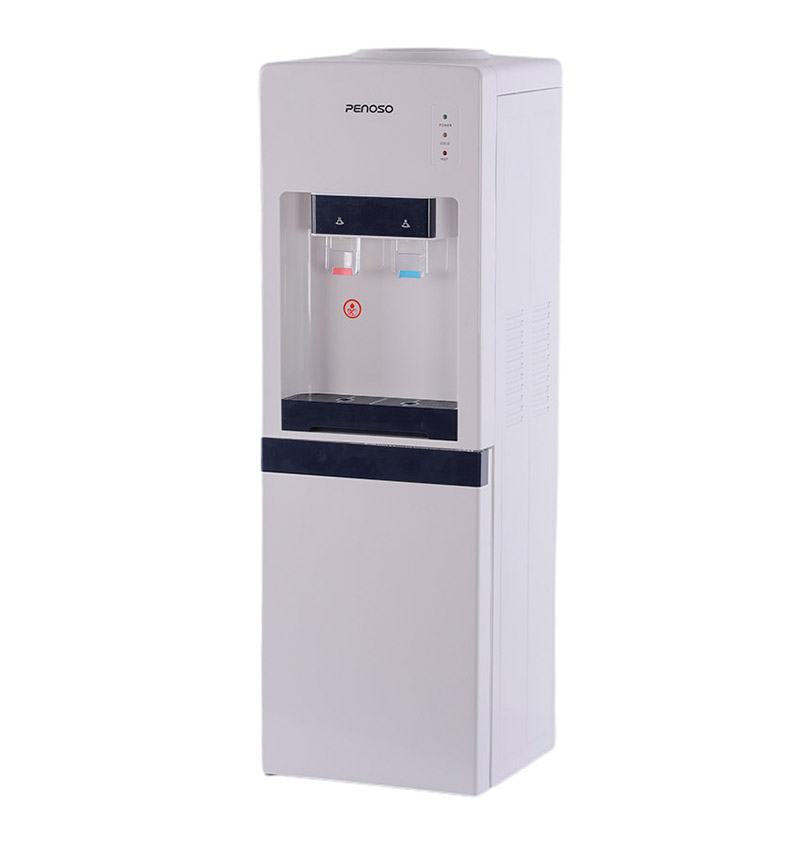 Pipeline Water Dispenser with RO/UF FiltrationA plumbed-in dispenser with RO or UF filtration and hot and cold outlets, suited to shared office use without jug handling.View Product →
What Moves the Price at Checkout
Five questions separate a fair quote from an expensive one, and they apply whether the five gallons are water or paint:
- Is the container deposit refundable, and is it charged per jug or per account?
- Does the quoted price include sanitizing, or is that a separate service visit?
- Is there a delivery minimum, and what happens in a month when consumption drops?
- Which water type is being quoted? Purified, spring, distilled and alkaline grades differ, and mineral-added water often runs 15 to 30 percent higher.
- Is the rate residential or commercial? Commercial accounts frequently pay less per jug in exchange for committed volume.
Matching the Number to the Machine
Once the price per gallon is settled, the dispenser choice comes down to who lifts the jug and where the unit sits. A countertop model suits a small kitchen or a single office where bench space is tight and consumption stays under a jug a week.
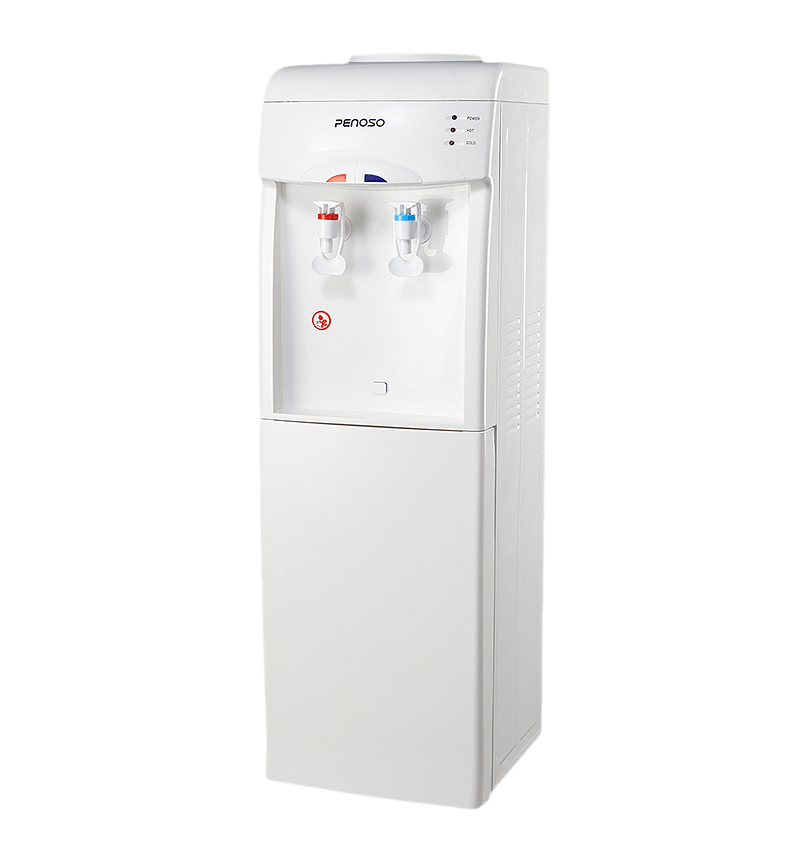
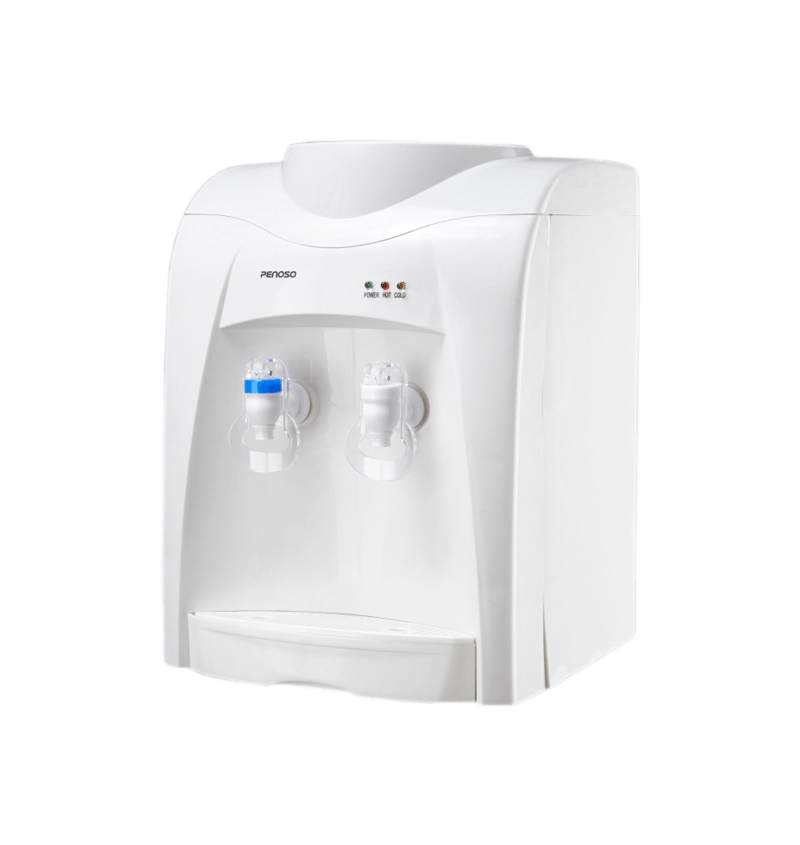 Mini Desktop Water Cooler for Home UseA compact countertop dispenser with hot and cold outlets, useful where bench space is tight and consumption stays under a jug a week.View Product →
Floor-standing cabinets with a bottom-load position suit anyone who would rather not lift 42 pounds, and direct-piped machines suit buildings with a spare supply line and a drain. Whichever route you take, price the whole year rather than the jug. Five gallons is only a unit of volume; the cost of five gallons is really the cost of the system that delivers it.