 English
 عربى
عربى Português
 Español
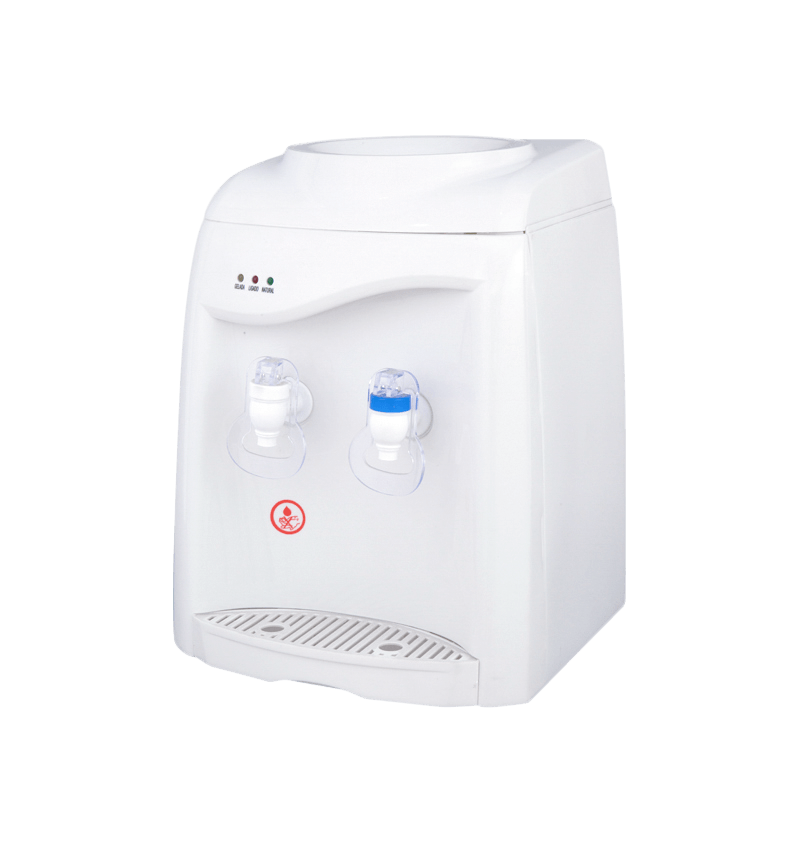
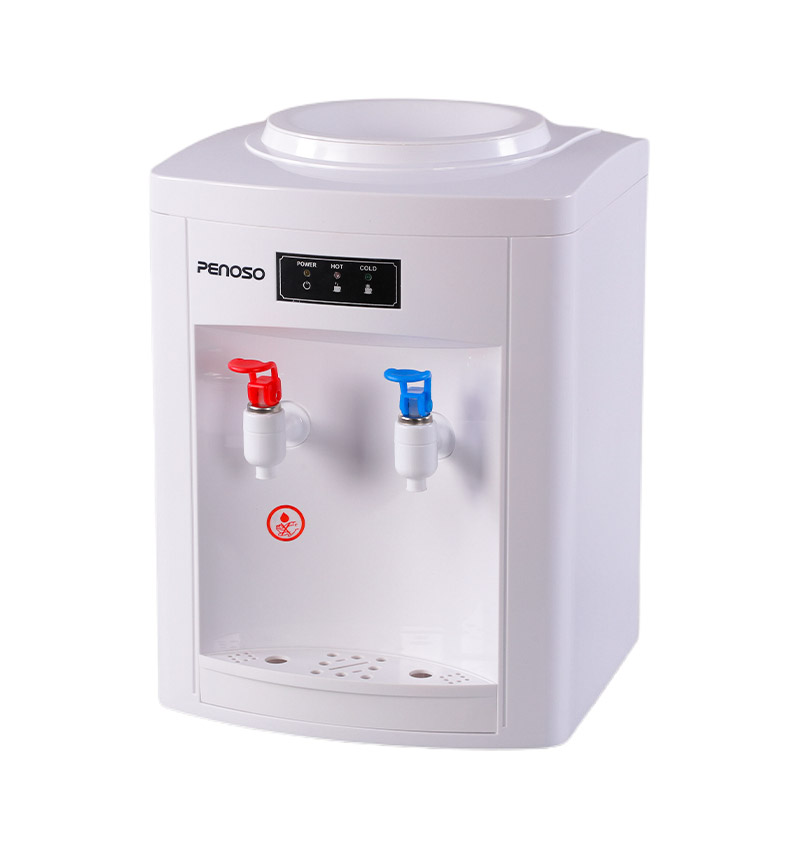
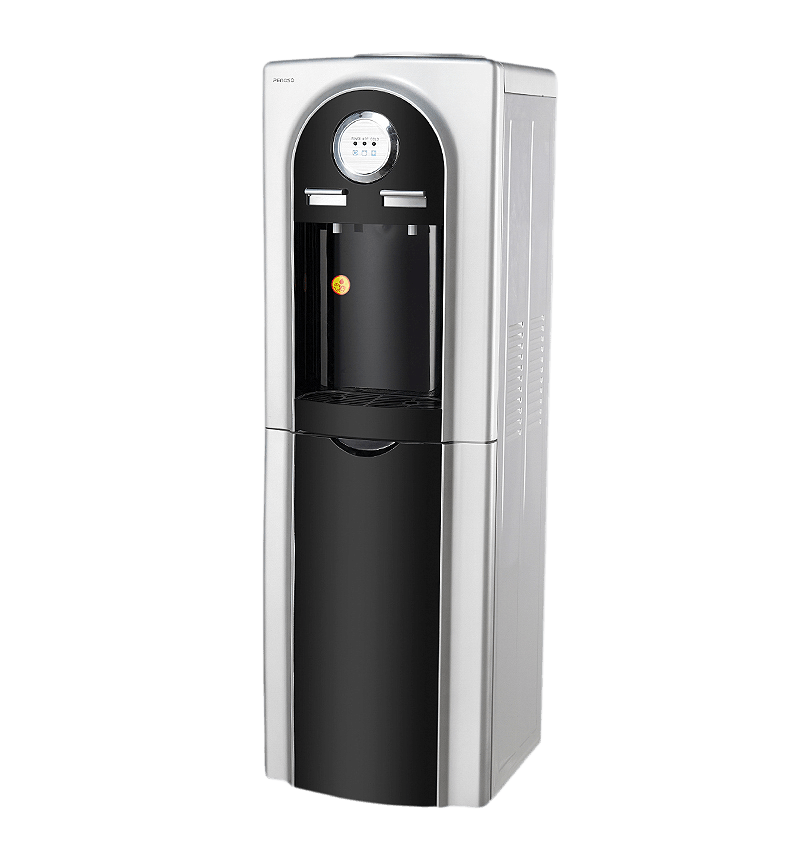
Choosing the right hydration system requires understanding the distinct thermodynamic mechanisms of compressor cooling water dispensers and electronic cooling water dispensers. If you require rapid, high-capacity cooling for high-traffic environments or hot climates, the compressor-based system is the technically superior choice. Conversely, for low-occupancy spaces, quiet residential environments, or areas with moderate ambient temperatures, an electronic thermoelectric dispenser offers an eco-friendly, cost-effective, and low-maintenance alternative. Both technologies fulfill distinct market segments based on their cooling speeds, volume capacities, operational lifespans, and energy consumption profiles.
The Core Mechanics of Compressor Cooling Water Dispensers
Compressor-driven systems utilize a closed-loop vapor-compression refrigeration cycle, identical to the technology found in domestic refrigerators and air conditioners. This cycle relies on the physical properties of a chemical refrigerant phase-changing between liquid and gas states to absorb and dissipate heat energy from the water reservoir.
The Vapor-Compression Refrigeration Loop
The mechanical cycle is driven by four primary components working in absolute synchronization to lower the temperature of the internal storage tank:
- The Compressor: The heart of the system compresses low-pressure, gaseous refrigerant into a high-pressure, high-temperature gas, forcing it forward into the condenser coils.
- The Condenser: Located at the rear of the dispenser, these matrix coils radiate heat outward into the surrounding ambient air, causing the hot gas to cool down and condense into a high-pressure liquid state.
- The Expansion Valve (Capillary Tube): The liquid refrigerant passes through a narrow restriction, dropping its pressure precipitously, which instantly lowers its temperature below the freezing point of water.
- The Evaporator: Wrapped directly around or submerged within the stainless-steel water tank, the freezing liquid refrigerant absorbs latent heat from the water, boiling back into a low-pressure gas to repeat the loop.
Cooling Capacity and Thermal Recovery Velocity
The mechanical power of a compressor allows it to achieve remarkable thermal extraction rates. A standard commercial compressor model can consistently drop water temperatures to between 4°C and 10°C, even when operating in an aggressive environment where ambient room temperatures soar up to 38°C.
Furthermore, the recovery rate is substantially faster than electronic alternatives. A compressor system typically delivers a cooling capacity of approximately 2.0 to 5.0 liters per hour. This fast output ensures that back-to-back users in a commercial office space can continuously dispense ice-cold water without experiencing a degradation in thermal performance.
The Engineering Inside Electronic Cooling Water Dispensers
Electronic units discard all mechanical moving parts, lines, and chemical refrigerants in favor of solid-state electronics. These systems operate via thermoelectric cooling, leveraging a fundamental quantum mechanical phenomenon discovered in the 19th century.
The Peltier Effect Explained
At the core of an electronic water dispenser sits a Peltier module—a small, flat ceramic matrix containing dozens of alternating N-type and P-type semiconductor pellets. When a direct current (DC) passes through the module, heat is actively transferred from one side of the ceramic plate to the opposite side.
This creates a stark temperature differential across the module. The cold side is affixed flush against the external surface of the water reservoir, pulling heat out of the water via conductive thermal transference. The hot side is coupled to a heavy aluminum heat sink, paired with a small electric cooling fan that expels the waste heat continuously out of the chassis.
Operational Bounds and Temperature Thresholds
Solid-state thermoelectric systems have clear, scientifically defined boundaries regarding thermodynamic output. An electronic cooling water dispenser typically lowers water temperatures to a range of 10°C to 15°C. Unlike the absolute cooling performance of a compressor, Peltier cooling performance is deeply dependent on the surrounding environment.
A thermoelectric module can generally reduce water temperature by a maximum of 10°C to 15°C below the ambient room temperature. If the dispenser is located in a room at 30°C, the cold water will likely hover around 15°C at best. Additionally, the volumetric cooling output is limited, generally capped at roughly 0.7 to 1.0 liters per hour due to the slow rate of heat dissipation over the semiconductor junctions.
Comparative Technical Matrix
To systematically evaluate the engineering, operational, and financial divergence between these two primary classes of water dispensers, the data points below outline their performance metrics under standardized operational conditions.
| Performance Metric | Compressor Cooling System | Electronic Thermoelectric System |
|---|---|---|
| Achievable Cold Temp Range | 4°C – 10°C | 10°C – 15°C |
| Cooling Delivery Capacity | 2.0 – 5.0 L/hr | 0.7 – 1.0 L/hr |
| Impact of Ambient Temperature | Highly Negligible | Severely Dependent |
| Operational Noise Level | 35 – 48 dB (Intermittent) | < 25 dB (Near Silent) |
| Average Power Draw (Cooling Mode) | 85 – 120 Watts | 65 – 80 Watts |
| Typical Unit Lifespan | 8 – 12 Years | 3 – 5 Years |
| Refrigerant Chemicals Used | Yes (e.g., R134a or R600a) | None (Solid-State) |
| Initial Hardware Purchase Cost | Moderate to High | Low Entry Tier |
Energy Efficiency, Power Consumption, and Green Metrics
Analyzing power draw requires looking past simple hourly wattage ratings to evaluate overall duty-cycle efficiencies. While electronic units draw less immediate power when active, their continuous run-time dynamics shift the long-term energy balance.
Duty Cycles and Real-World Kilowatt Consumption
A compressor system operates on an intermittent duty cycle controlled by internal thermostats. When the storage reservoir hits its targeted low threshold (e.g., 6°C), the internal mechanical relay switches the compressor completely off. Because the tank is wrapped in thick, high-density polyurethane foam insulation, water temperatures remain locked down for hours.
The compressor might only run for 15 to 20 minutes out of every hour. Therefore, despite a higher active draw of 100 Watts, its daily consumption profile is highly optimized. Conversely, a Peltier module exhibits poor coefficient of performance (COP) values—typically between 0.3 and 0.5, compared to a compressor's COP of 2.0 or higher.
This means electronic cooling units must run almost continuously to combat thermal bleeding back through the ceramic module into the tank. Over a 24-hour cycle, an electronic unit can consume equal to, or in some instances more, total kilowatt-hours (kWh) than a heavy-duty compressor unit under moderate demand profiles.
Environmental Impact and Ecological Considerations
From an ecological standpoint, electronic thermoelectric units are praised for containing zero chemical refrigerants. Traditional hydrofluorocarbons (HFCs) like R134a, while non-ozone depleting, possess high Global Warming Potential (GWP) metrics if an end-of-life unit suffers a line rupture. Modern compressor models mitigate this by shifting to eco-friendly hydrocarbon refrigerants like R600a (isobutane), which has a GWP rating of less than 3, neutralizing the ecological advantage previously held by solid-state electronic modules.
Acoustic Performance and Workplace Dynamics
Acoustic comfort is vital in corporate office layouts, clinical medical facilities, and residential bedrooms. The two technologies differ significantly in the type and level of sound energy they emit during operation.
Decibel Benchmarks and Mechanical Vibrations
Compressor systems are inherently mechanical. When the internal motor starts up, it generates a low-frequency hum along with distinct clicking sounds from the internal startup relay and thermal expansion valve. A well-engineered compressor dispenser registers sound pressure levels between 35 dB and 48 dB.
While this is well within acceptable background limits for standard offices, it can be distracting in silent settings. Furthermore, as a compressor system ages, its internal rubber vibration dampeners can degrade, potentially transferring structural vibrations into the surrounding cabinetry or floor panels.
The Near-Silent Solid-State Alternative
Electronic cooling water dispensers have no pistons, valves, or high-pressure lines. The only moving part is a small, low-voltage DC brushless exhaust fan tasked with pulling airflow through the aluminum heat sink. These fans operate at highly controlled RPM profiles, maintaining a near-linear noise level under 25 dB.
This noise level matches the acoustic profile of a quiet library. There are no sudden startup jolts, high-frequency whines, or clicking relays. This makes electronic dispensers perfect for placement on office desks, in executive boardrooms, or inside residential bedrooms and nurseries where acoustic stillness is paramount.
Longevity, Wear Dynamics, and Maintenance Regimens
An investment in water dispensing infrastructure must account for total cost of ownership (TCO) over multi-year horizons. The degradation curves of mechanical systems differ fundamentally from the solid-state wear modes of electronic units.
Mechanical Durability Profiles
Though mechanical systems face friction, internal stress, and wear, their components are highly rugged and designed for prolonged operation under high loads. High-grade hermetically sealed compressors feature self-lubricating internal oil reservoirs that prevent copper scoring and mechanical lockups over long periods.
When operated within nominal voltage ranges, a compressor cooling water dispenser routinely achieves an operational lifespan of 8 to 12 years. Maintenance is straightforward, requiring periodic vacuuming of the rear condenser coils to clear accumulated lint and dust that could choke off heat transfer.
Thermal Stress and Thermoelectric Breakdown
Electronic units face a unique, invisible wear mechanism known as thermal cycling stress. Because the Peltier plate continuously maintains a severe temperature differential across a distance of only a few millimeters (hot on one side, freezing cold on the other), intense localized expansion and contraction occur within the ceramic substrate.
Over time, this expansion creates micro-fractures across the internal bismuth telluride semiconductor solder joints. As these joints crack, internal electrical resistance climbs, cutting the module's cooling capacity until it fails completely. Consequently, the operational lifespan of an electronic thermoelectric dispenser is shorter, typically ranging between 3 and 5 years depending on ambient temperature stability.
Deployment Scenarios and Real-World Application Matching
To maximize value, procurement officers and property managers should match dispenser technology directly to deployment environments and expected user behaviors.
High-Demand Industrial and Commercial Hubs
In spaces where user traffic is dense or unpredictable, compressor cooling units are the industry standard. Examples of these high-volume settings include:
- Corporate Head Offices: Environments housing more than 20 active personnel who frequently fill large gym bottles require the fast recovery rates of a compressor system.
- Warehouse and Manufacturing Floors: Facilities without climate control demand high-capacity cooling performance that can withstand elevated ambient temperatures.
- Gymnasiums and Fitness Centers: Where high peak demand requires sustained delivery of water at or below 8°C to ensure refreshing hydration for users.
Residential Low-Density and Sound-Sensitive Settings
Electronic cooling water dispensers offer exceptional value when deployed in smaller, controlled environments that do not require continuous high-volume output. Ideal locations include:
- Home Offices and Small Apartments: Where daily users number fewer than four, and the unit serves as an auxiliary hydration source.
- Hospitality Suites and Guest Rooms: Where providing a completely silent, low-vibration dispenser prevents disturbing guests during night-time hours.
- Medical Consultation Offices: Where subtle, whisper-quiet operations are required to maintain a calm and professional atmosphere for patients.
References
- International Journal of Refrigeration: Analysis of Vapor Compression Cycles and Coefficient of Performance Standards (2022).
- Journal of Electronic Materials: Thermal Fatigue and Degradation Mechanisms in Solid-State Bismuth Telluride Peltier Modules (2023).
- American Society of Heating, Refrigerating and Air-Conditioning Engineers (ASHRAE): Handbook of Small-Scale Commercial Refrigeration Equipment (2024).