 English
 عربى
عربى Português
 Español
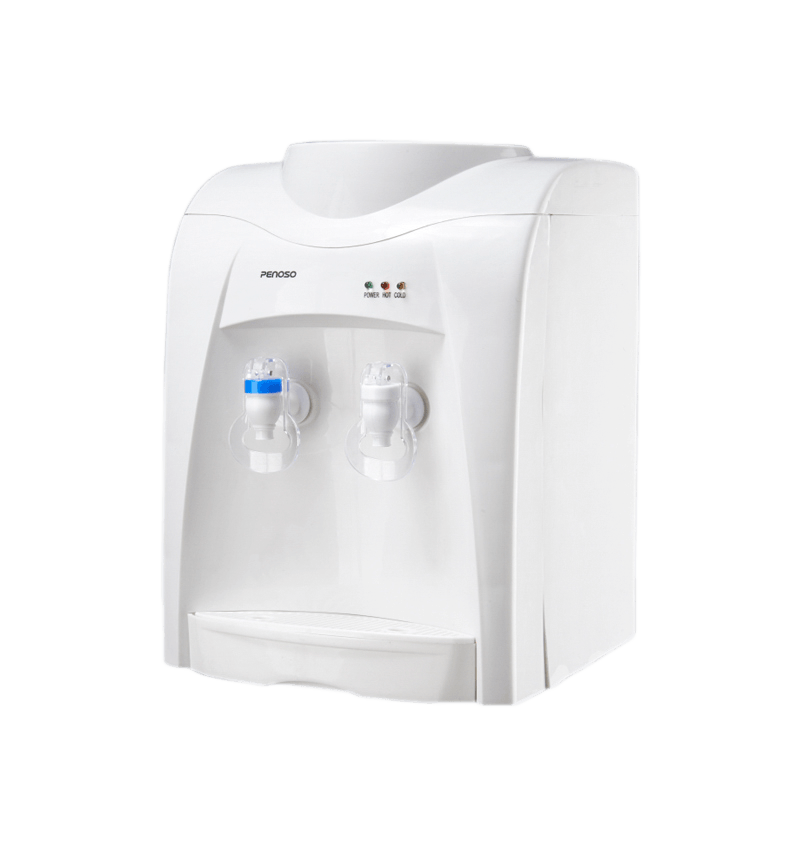
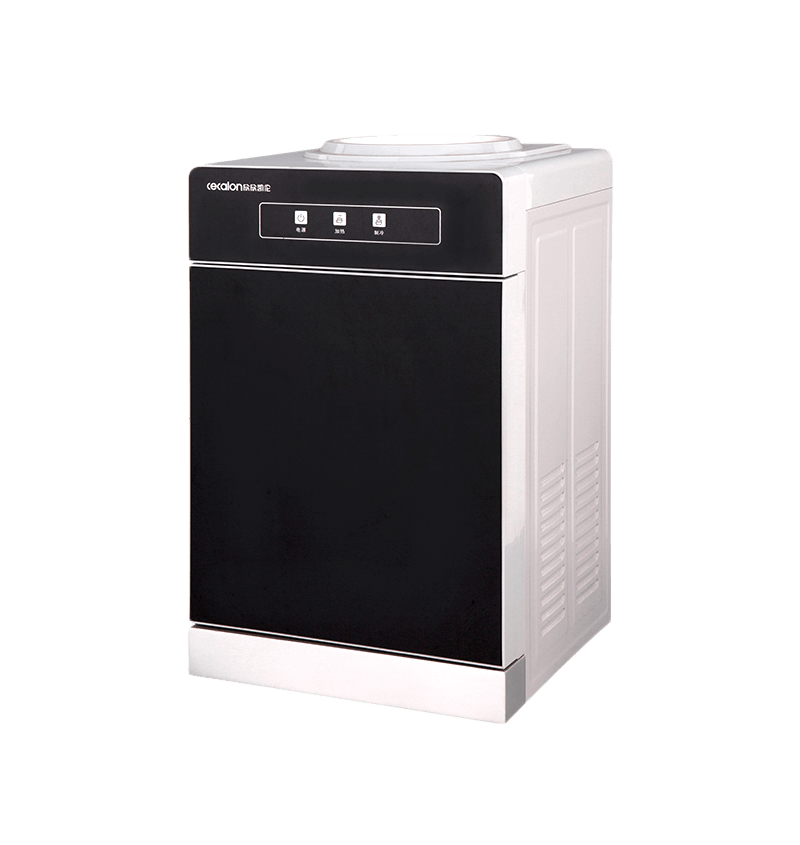
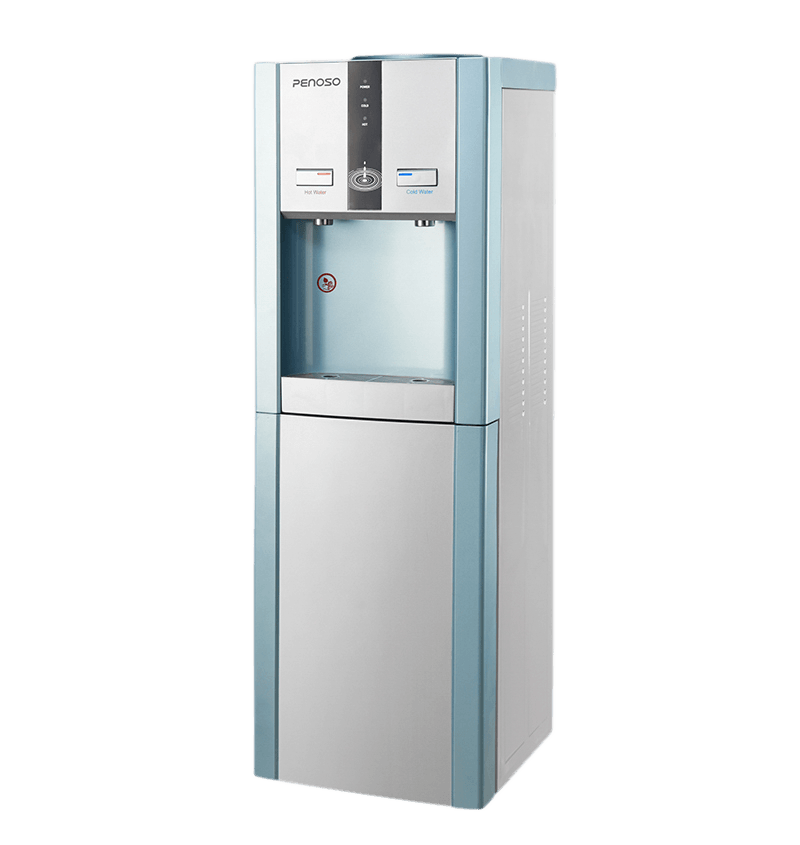
Desktop water dispensers are built to sit on a kitchen counter, breakroom surface, or small stand instead of taking up floor space like a traditional cooler cabinet. They plug into a standard outlet, and either tap into a cold water line under the sink or hold their own refillable reservoir. The appeal is straightforward: no 5-gallon jugs to lift, no delivery schedule to manage, and filtered water on demand at whatever temperature the task calls for. Whether it's called a desktop water dispenser or a countertop bottleless unit, the underlying goal is the same — full-size cooler performance in a fraction of the space.
How These Units Actually Work
Every bottleless dispenser follows the same basic sequence: water enters, passes through one or more filter cartridges, then moves into a small internal tank where it is chilled, heated, or left at ambient temperature depending on which tap is used. The differences between models come down to how water gets in and how it is filtered once inside.
Direct-Connect Models
A thin tube runs from the dispenser to a nearby cold water line, typically under the sink or behind a refrigerator. Water flows continuously, so there is no reservoir to refill.
Gravity-Fed Reservoir Models
A top-loading tank, usually 1 to 3 gallons, is filled by hand and gravity-feeds the filtration system below. Best for counters without nearby plumbing access.
Hybrid Models
Some units accept either a direct line connection or a manual reservoir, letting the same dispenser move between kitchen counters and offices.
Filtration Stages That Actually Matter
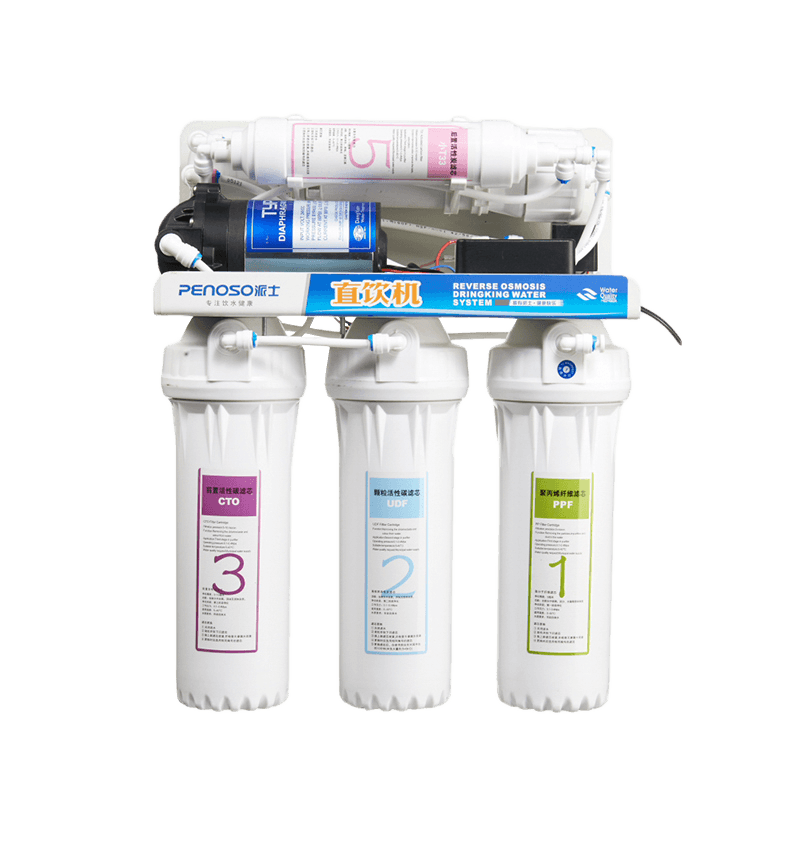
Filtration quality is what separates a genuinely useful unit from one that just chills tap water. Most countertop dispensers use a layered cartridge system rather than a single filter, and each stage targets a different category of contaminant.
| Filter Stage | What It Targets | Typical Lifespan |
|---|---|---|
| Sediment pre-filter | Sand, rust, and visible particulate matter | 2 to 3 months |
| Activated carbon block | Chlorine taste and odor, some organic compounds | 4 to 6 months |
| Reverse osmosis membrane | Dissolved solids, heavy metals, most bacteria | 12 to 24 months |
| UV sterilization (select models) | Bacteria and viruses missed by mechanical filtration | Bulb replaced yearly |
A two-stage sediment-plus-carbon setup is enough for households on municipal water that already meets safety standards and just want better taste. A three- or four-stage system with reverse osmosis is worth the added cost for well water, older buildings with aging pipes, or anywhere water hardness or mineral taste is noticeable.
Cost Comparison Against Bottled Delivery
The upfront price of a countertop dispenser is higher than a basic bottled cooler, but the ongoing cost runs in the opposite direction. A household using two 5-gallon bottles a week at a typical delivery price spends roughly $500 to $700 a year on water alone, before rental fees for the cooler itself. A direct-connect bottleless unit replaces that with a filter cartridge that costs a fraction as much and lasts several months.
Over a three-year period, a direct-connect countertop dispenser typically pays for its own purchase price in avoided delivery costs, especially in households or small offices that go through more than one bottle a week.
Space and Installation Considerations
Desktop water dispensers are chosen specifically because they avoid the floor-standing footprint of a traditional cooler, but they still need to be planned for. Most direct-connect models require the dispenser to sit within 6 to 8 feet of a cold water shutoff valve, since the supply tubing is rarely made longer than that. Reservoir models have no such restriction but need enough vertical clearance to lift a water container over the opening for refilling.
- Measure counter depth — many units need 10 to 14 inches front to back plus clearance for the drip tray.
- Confirm an outlet is within reach, since extension cords are discouraged near a water source.
- Check under-sink space if going direct-connect, since a small diverter valve is installed on the cold line.
- Leave a few inches of side clearance for cartridge changes, which usually slide out from the front or side.
Features Worth Comparing Side by Side
Beyond filtration and connection type, a handful of practical features determine how much a unit gets used day to day rather than just sitting on the counter.
| Feature | Why It Matters |
|---|---|
| Hot water safety lock | Prevents accidental scalding, especially important with children nearby |
| Filter-change indicator light | Removes guesswork on when a cartridge actually needs replacing |
| Dispensing speed | Some units fill a standard glass in under 5 seconds, others take 15 or more |
| Internal tank material | Stainless steel tanks resist scale buildup better than plastic over years of use |
| Noise level during cooling cycles | Compressor-cooled units run quieter than thermoelectric ones in most cases |
Maintenance That Keeps Water Quality High
A countertop dispenser is low-maintenance compared to a bottled cooler, but it is not maintenance-free. Skipping upkeep is the single most common reason people end up with worse-tasting water from a filtered unit than from an unfiltered tap.
- Replace sediment and carbon cartridges on the schedule printed on the housing, not just when flow slows down.
- Sanitize the internal reservoir every 3 to 6 months on gravity-fed models, since standing water encourages biofilm growth.
- Wipe down the dispensing nozzle weekly, since it is the part most exposed to airborne contact.
- Descale the internal tank annually in areas with hard water to keep the heating element working efficiently.
Mistakes to Avoid When Choosing One
Two mistakes account for most buyer dissatisfaction with countertop dispensers. The first is buying based on temperature options alone and overlooking filtration stage count, which leaves buyers with a unit that chills water quickly but does little to improve its taste or safety. The second is choosing a reservoir model for a household that goes through more than a gallon or two a day, which turns what should be a convenience upgrade into a container that needs refilling almost as often as bottled jugs needed swapping.
Matching connection type to kitchen layout, filtration stage count to water source quality, and tank capacity to daily household use covers nearly every factor that determines whether a countertop bottleless dispenser earns its counter space or ends up unused within a few months. Weighed against those criteria, the best countertop bottleless water dispenser for a given household is rarely the one with the most features — it's the one whose filtration and connection type actually match how the water is used every day.