 English
 عربى
عربى Português
 Español
Bottom load water coolers are the better choice for most households and offices. They eliminate the need to lift heavy 5-gallon jugs overhead, offer a cleaner countertop look, and reduce the risk of spills during bottle changes. That said, top load water dispensers still hold their ground in cost-sensitive settings where simplicity and affordability matter more than convenience.
If you've ever strained your back wrestling a 42-pound water jug onto a dispenser—or watched water cascade across the floor during a bottle swap—you already understand why the bottom load design has become increasingly popular. But making the right call between the two depends on your space, budget, usage habits, and who's doing the bottle-changing. Here's a thorough breakdown to help you decide.
How Each Type Works
Understanding the mechanical difference between the two designs is the first step to appreciating why it matters in everyday use.
Top Load Water Dispensers
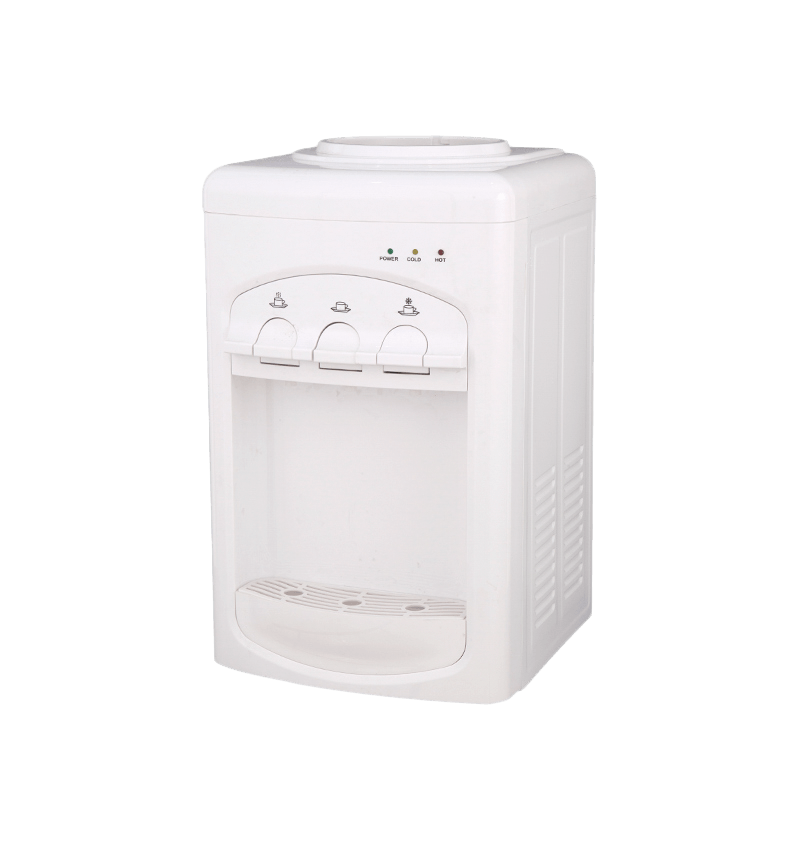
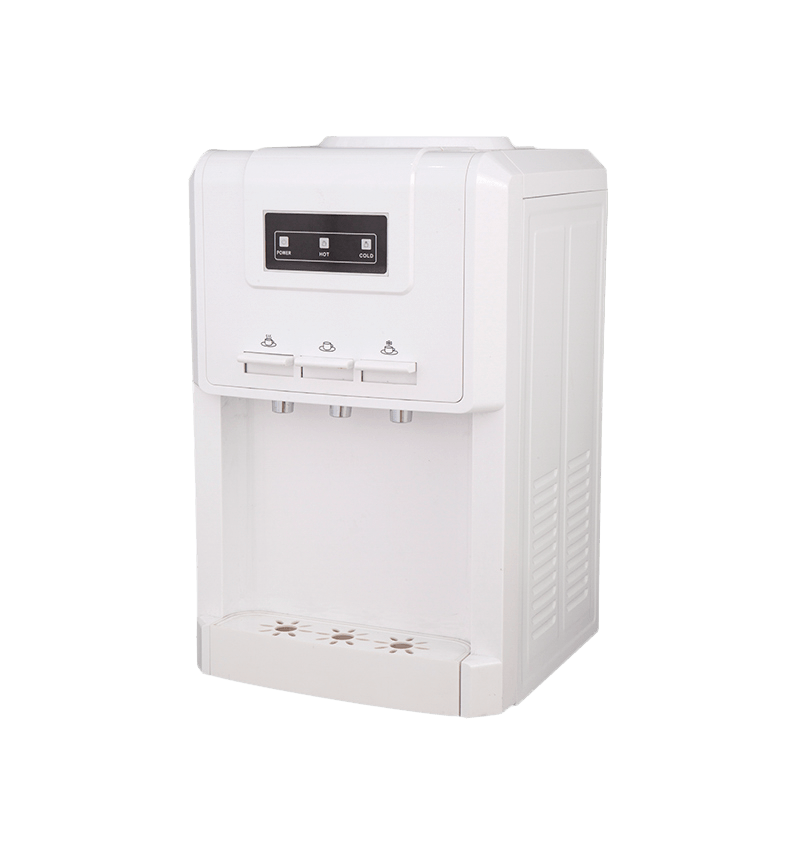
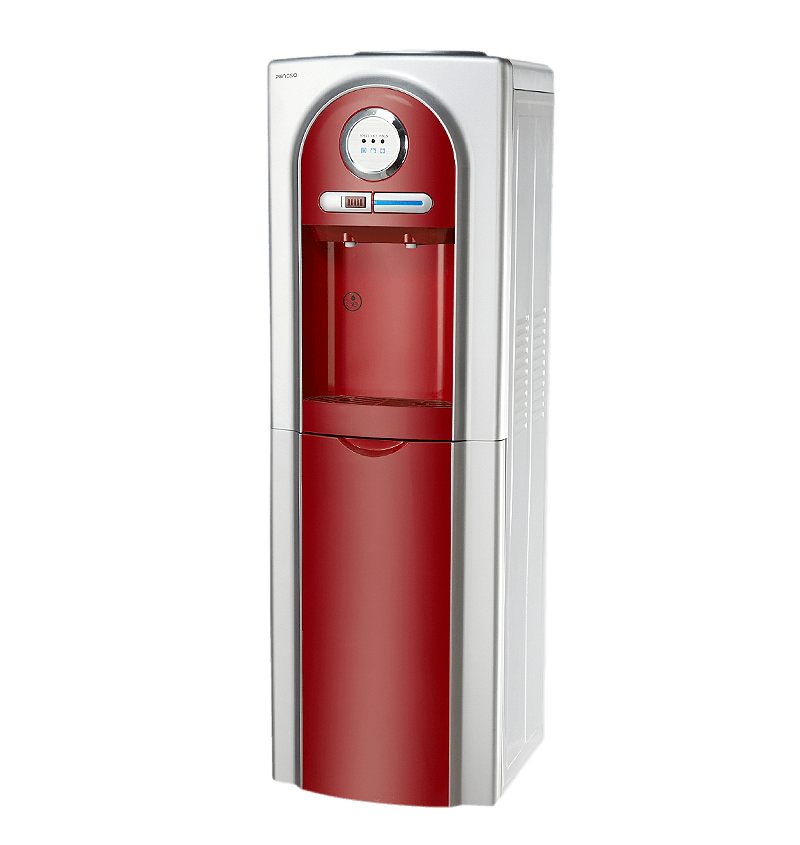
Top load dispensers use gravity to deliver water. The bottle sits inverted on top of the unit, and water flows down into a reservoir inside the machine. When you press the tap, water is dispensed directly from that reservoir. The mechanism is simple—there are fewer internal parts, and the technology has been in use for decades. This simplicity is one of the main reasons top load models tend to be less expensive and easier to service.
Bottom Load Water Coolers
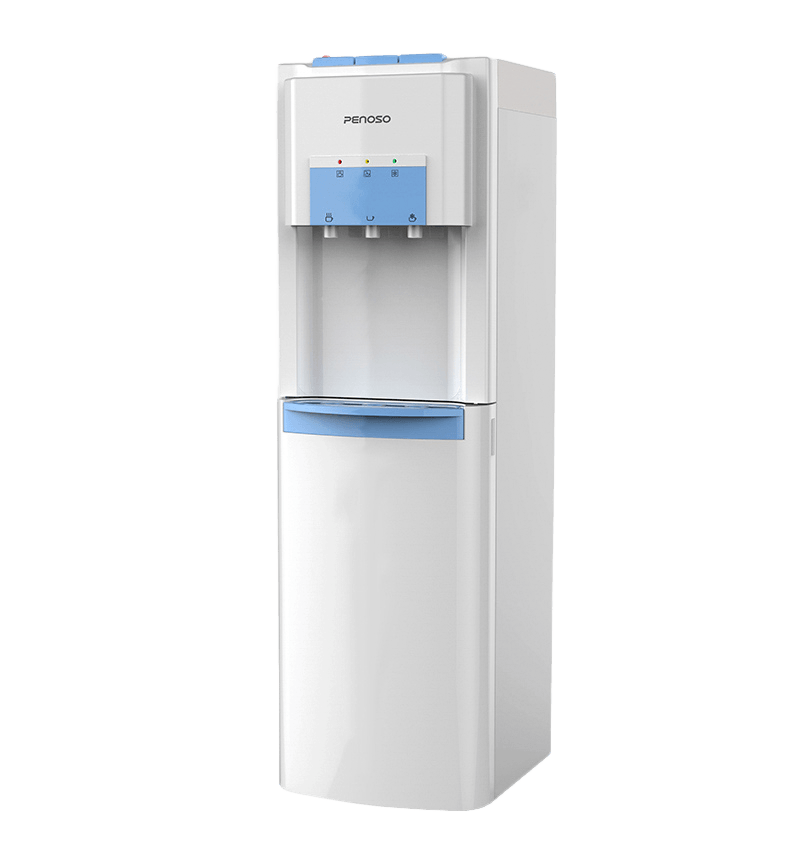
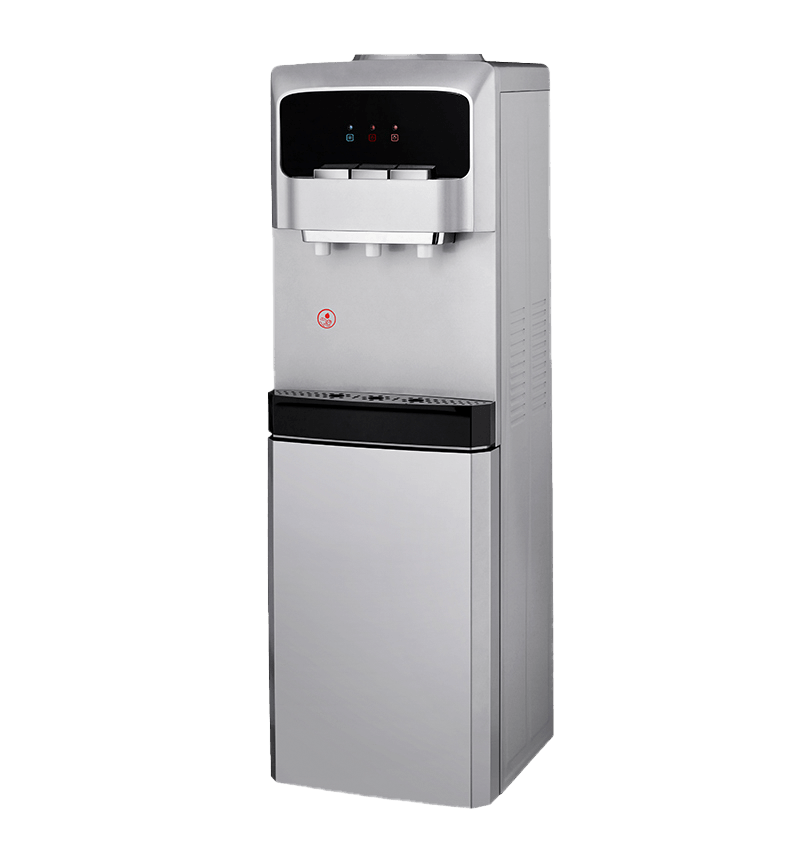
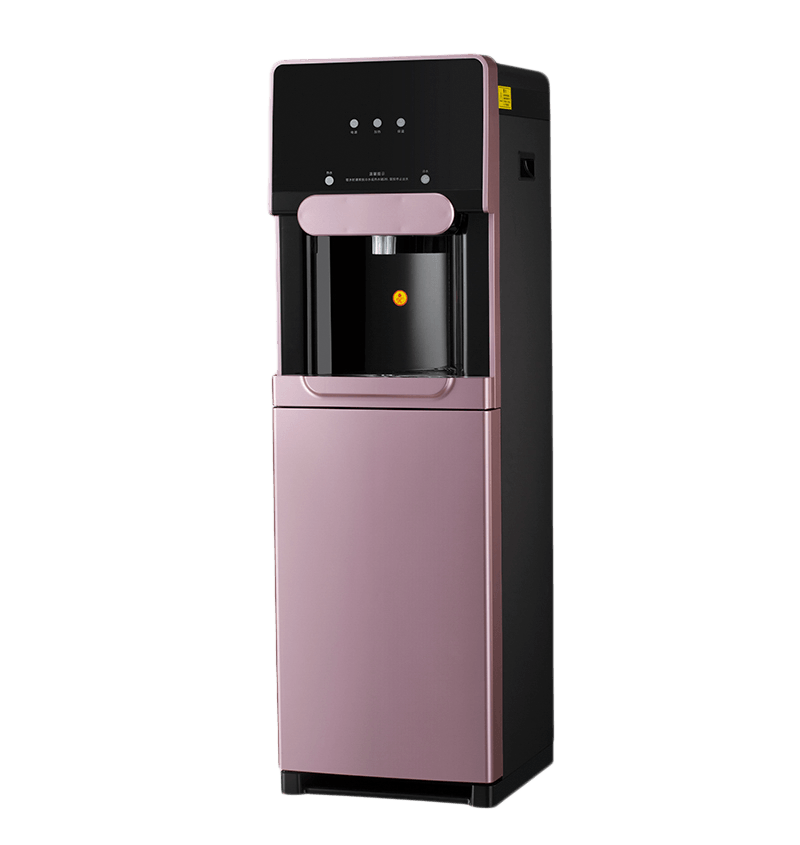
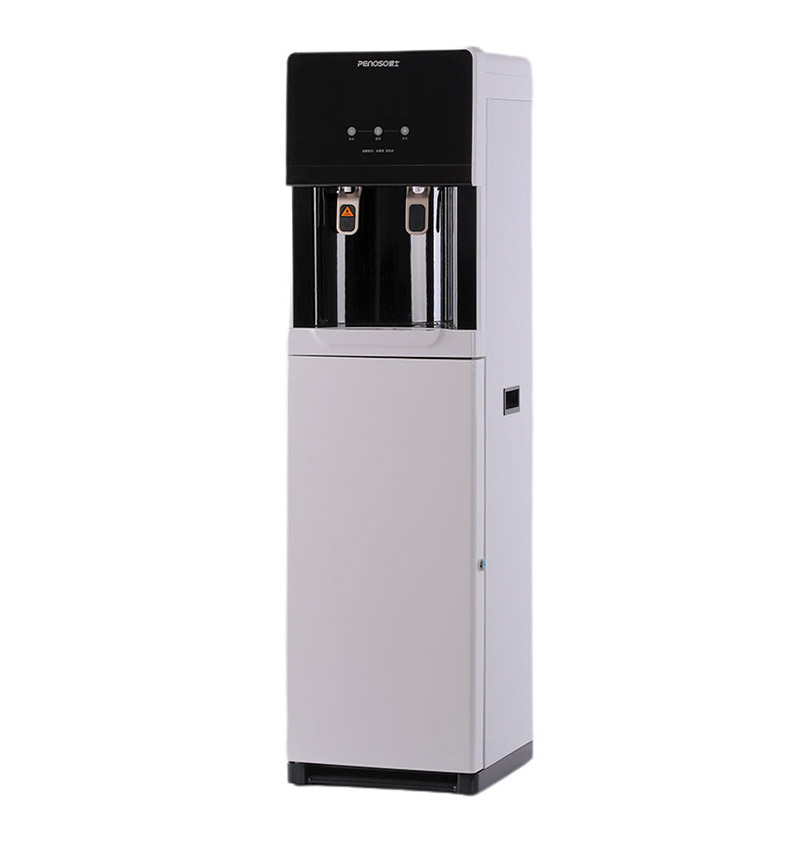
Bottom load models store the water bottle in a concealed cabinet at the base of the unit. An electric pump draws water upward into the internal reservoir on demand. This means no lifting, no tipping, and no visible bottle cluttering the room. The bottle sits upright—which many users find easier to handle—and slides neatly into the cabinet behind a door or panel.
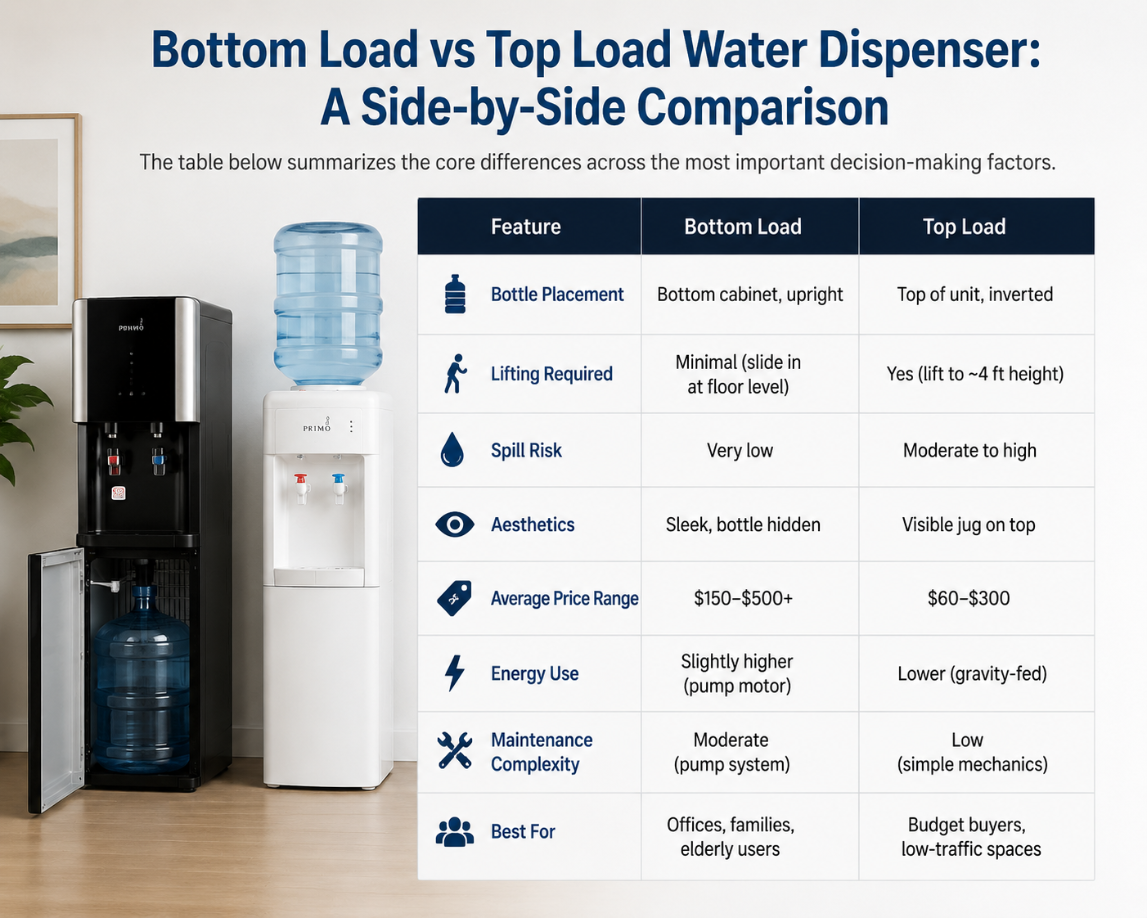
Bottom Load vs Top Load Water Dispenser: A Side-by-Side Comparison
The table below summarizes the core differences across the most important decision-making factors.
| Feature | Bottom Load | Top Load |
|---|---|---|
| Bottle Placement | Bottom cabinet, upright | Top of unit, inverted |
| Lifting Required | Minimal (slide in at floor level) | Yes (lift to ~4 ft height) |
| Spill Risk | Very low | Moderate to high |
| Aesthetics | Sleek, bottle hidden | Visible jug on top |
| Average Price Range | $150–$500+ | $60–$300 |
| Energy Use | Slightly higher (pump motor) | Lower (gravity-fed) |
| Maintenance Complexity | Moderate (pump system) | Low (simple mechanics) |
| Best For | Offices, families, elderly users | Budget buyers, low-traffic spaces |
The Lifting Problem: Why It's Bigger Than You Think
A standard 5-gallon water bottle weighs approximately 42 pounds when full. Lifting that weight to shoulder height—while keeping the bottle perfectly inverted so it doesn't gush—is no small task. For context, the U.S. Occupational Safety and Health Administration (OSHA) recommends a maximum lift weight of 51 pounds under ideal conditions, with significantly lower limits when lifting involves twisting, awkward postures, or height.
For older adults, people with back problems, or shorter individuals, a top load dispenser can be impractical or even dangerous to use independently. Bottom load water coolers address this entirely—the bottle slides into a low cabinet horizontally or at a slight tilt, typically requiring no more than moving it from the floor to ground-level shelf height.
In office environments, this matters from a liability standpoint too. Workplace musculoskeletal injuries related to manual lifting cost U.S. employers an estimated $13 billion annually according to the Bureau of Labor Statistics. While a water cooler swap is a minor contribution, reducing unnecessary heavy lifting is always a sound workplace policy.
Hygiene and Contamination Risks
Water purity is the whole point of using a bottled water dispenser. Both designs have hygiene considerations, but they differ in where contamination risks arise.
Top Load Hygiene Risks
The open collar at the top of a top load dispenser—where the inverted bottle neck connects to the unit—is exposed to ambient air whenever a bottle is removed or changed. Dust, insects, and airborne particles can enter the reservoir. Studies on shared office water dispensers have found bacterial growth in the internal reservoirs of poorly maintained units, with top load models being more susceptible due to this open-air interface.
Spills during bottle changes also create moisture around the collar, which can promote mold or bacterial growth if not wiped clean consistently.
Bottom Load Hygiene Advantages
Bottom load water coolers use a sealed probe that punctures the bottle cap, drawing water through a closed system. The internal pathway from bottle to reservoir remains sealed, significantly limiting exposure to contaminants. The bottle itself stays upright and capped until the probe is inserted, which reduces the chances of anything entering the water supply during the changeover.
Bottom load systems are generally considered more hygienic for high-traffic environments where multiple people are changing bottles or where the dispenser is located in a dusty or high-activity area.
Cost Comparison: Upfront vs. Long-Term
Price is one of the clearest differentiators between the two types. Top load dispensers typically start around $60–$100 for basic hot/cold models, while bottom load water coolers usually begin at $150 and can easily reach $400–$500 for premium units with advanced filtration or touchless dispensing.
However, upfront cost isn't the only number that matters. Consider:
- Repair costs: Bottom load models have an electric pump that can fail over time. Pump replacements typically run $30–$80 in parts. Top load units rarely need repairs beyond a new tap or spigot.
- Energy bills: The pump in a bottom load unit draws a small but continuous amount of power. The difference is marginal—often less than $5–$10 per year—but worth noting.
- Water bottle costs: Both models use the same 3- or 5-gallon bottles, so ongoing water costs are identical.
- Cleaning and sanitization: More thorough cleaning is recommended for top load units due to open reservoir exposure. Professional sanitization services run $30–$50 per visit and are typically recommended every 6 months.
Over a 3–5 year lifespan, the total cost of ownership gap between the two often narrows considerably, especially if the bottom load unit is maintained well and avoids pump issues.
Aesthetics and Space Considerations
For anyone who's put thought into interior design or office aesthetics, the visual difference between the two types is significant. A top load dispenser with a large blue jug balanced on top is functional, but it's not something most people would describe as attractive. The jug dominates the visual profile of the unit and can look out of place in a modern kitchen or polished office setting.
Bottom load water coolers conceal the bottle entirely. From the outside, they resemble a streamlined appliance—similar in look to a compact refrigerator or a high-end coffee machine. This makes them far more suitable for:
- Open-plan office environments where aesthetics reflect on the company
- Home kitchens or dining areas where the dispenser is in a visible spot
- Reception areas, lobbies, or client-facing spaces
- Spaces with low overhead clearance where a top-mounted jug would be impractical
Height is also worth considering. Top load dispensers require enough vertical clearance to remove and replace the overhead jug. In rooms with lower ceilings or in spaces under shelving, this can become genuinely awkward. Bottom load units have no such constraint.
Who Should Choose a Bottom Load Water Cooler
Bottom load water coolers are the right fit in most of the following scenarios:
- Households with elderly members or people with physical limitations who cannot safely lift a full 5-gallon jug to chest or shoulder height.
- Offices with 10 or more regular users, where bottle changes happen frequently and ease of use affects day-to-day workflow.
- Design-conscious spaces where appliance aesthetics matter and clutter is minimized intentionally.
- Spaces with limited vertical clearance, such as break rooms with overhead cabinets or low-ceiling areas.
- Users who prioritize cleanliness and want to minimize contamination during bottle changes.
- Anyone tired of cleaning up spills during the top-jug flipping process.
Who Should Choose a Top Load Water Dispenser
Top load dispensers still make sense in specific situations:
- Budget-focused buyers who need a functional unit at the lowest possible entry price and don't mind the manual effort of bottle changes.
- Low-traffic households where the bottle is only changed once or twice a month and physical effort isn't a concern.
- Users who prefer simplicity and want a unit with fewer electronic components that could potentially fail.
- Renters or temporary setups where a cheap, portable unit is needed short-term with no long-term investment.
- Locations without a reliable electrical outlet nearby—though most dispensers do require power for heating and cooling, some basic top load models are non-electric.
Maintenance and Longevity: What to Expect
Both types require regular cleaning to prevent bacterial buildup, but the process differs slightly.
Cleaning a Top Load Dispenser
Top load units are generally easier to disassemble for cleaning. The reservoir is accessible once the bottle is removed, and most manufacturers recommend a thorough sanitization with a diluted bleach or vinegar solution every 3–6 months. The open collar and reservoir area need special attention since they are most exposed to air and potential contaminants.
Cleaning a Bottom Load Water Cooler
Bottom load units have a closed water path that is less exposed but harder to manually clean. The probe that punctures the bottle must be sanitized regularly, and the internal tubing can be flushed using cleaning solution run through the system. Some models include a self-cleaning or UV purification function—a meaningful advantage that helps offset the more complex internal path.
In terms of lifespan, both types typically last 7–12 years with proper maintenance. The most common failure points are: heating/cooling elements (both types), the pump motor (bottom load only), and tap mechanisms (both types). Replacement parts are widely available for popular models.
Features to Look for in Either Type
Regardless of which loading style you choose, these features add real value and are worth comparing across specific models:
- Hot, cold, and room-temperature taps: Three-temperature output is a significant convenience upgrade over basic two-tap models and is now available at mid-range price points in both types.
- Child safety lock on hot tap: Essential for households with young children. A spring-loaded or press-and-hold hot water tap prevents accidental burns.
- Self-cleaning or UV sterilization: Found more commonly in bottom load models. UV light systems can eliminate up to 99.9% of bacteria in the internal reservoir without chemicals or manual scrubbing.
- Night mode or energy-saving mode: Reduces energy draw during off-hours. Particularly useful in office settings where the dispenser runs 24/7 but demand drops overnight.
- No-drip taps: Reduces spillage around the dispenser area. A minor feature with a noticeable day-to-day quality-of-life impact.
- Stainless steel interior reservoir: More hygienic and durable than plastic interior tanks. Resists bacterial buildup and does not impart odors or flavors to the water.
- Bottle-empty indicator: Available on many bottom load water coolers since the bottle is hidden from view. Alerts you before the unit runs dry rather than discovering it mid-glass.
Environmental Impact: A Factor Worth Considering
Both bottom load and top load water dispensers rely on single-use or reusable 5-gallon polycarbonate or PET bottles. Most bottled water delivery services use reusable polycarbonate jugs that are returned, sanitized, and refilled—making them significantly more sustainable than individual single-use plastic bottles. In fact, a single reusable 5-gallon jug can replace roughly 800 standard 16-oz plastic bottles over its lifecycle.
The slightly higher energy consumption of bottom load water coolers (due to the pump motor) is a minor environmental consideration but negligible compared to the broader sustainability benefit of both types over single-use alternatives.
If reducing plastic consumption is a top priority, pairing either dispenser type with a local water delivery service that uses returnable jugs is the most impactful choice—independent of which loading style you select.
The Verdict: Bottom Load Wins on Convenience, Top Load Wins on Price
When convenience, hygiene, and aesthetics are weighted equally, bottom load water coolers come out ahead for the majority of users. The elimination of heavy lifting alone makes them worth the premium for most households and virtually all office environments.
Top load water dispensers remain a valid option for anyone on a strict budget, those who don't mind the physical effort of bottle swaps, or those seeking the simplest possible appliance with minimal components to maintain.
The decision ultimately comes down to three questions: Who is changing the bottles? How often? And what are you willing to spend upfront? Answer those honestly, and the right type will be clear.