 English
 عربى
عربى Português
 Español
Choosing the Right Water Dispenser for Your Needs
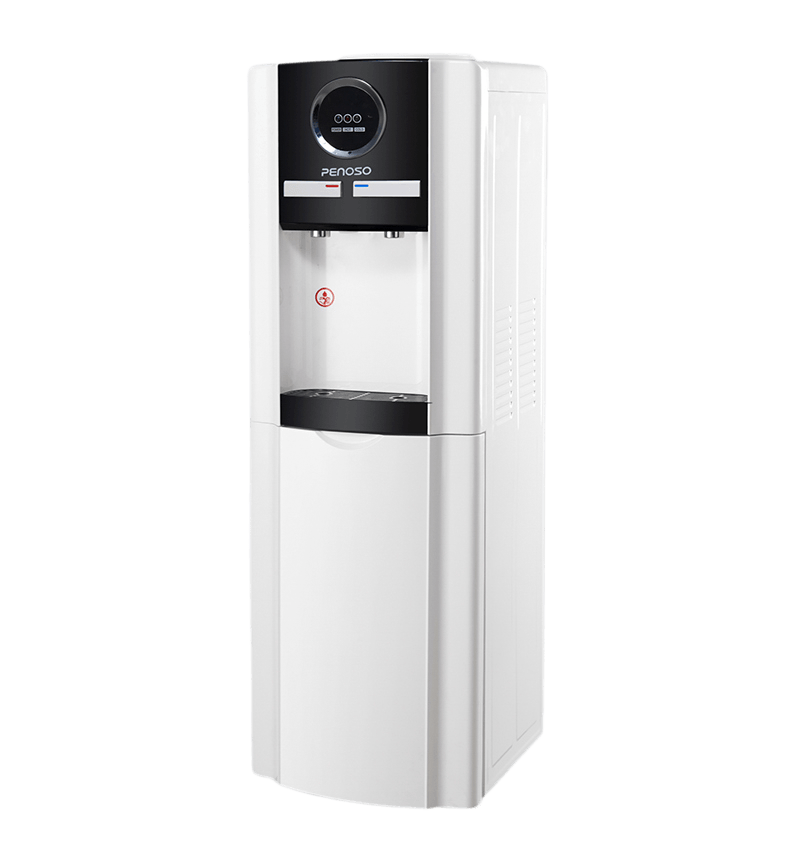
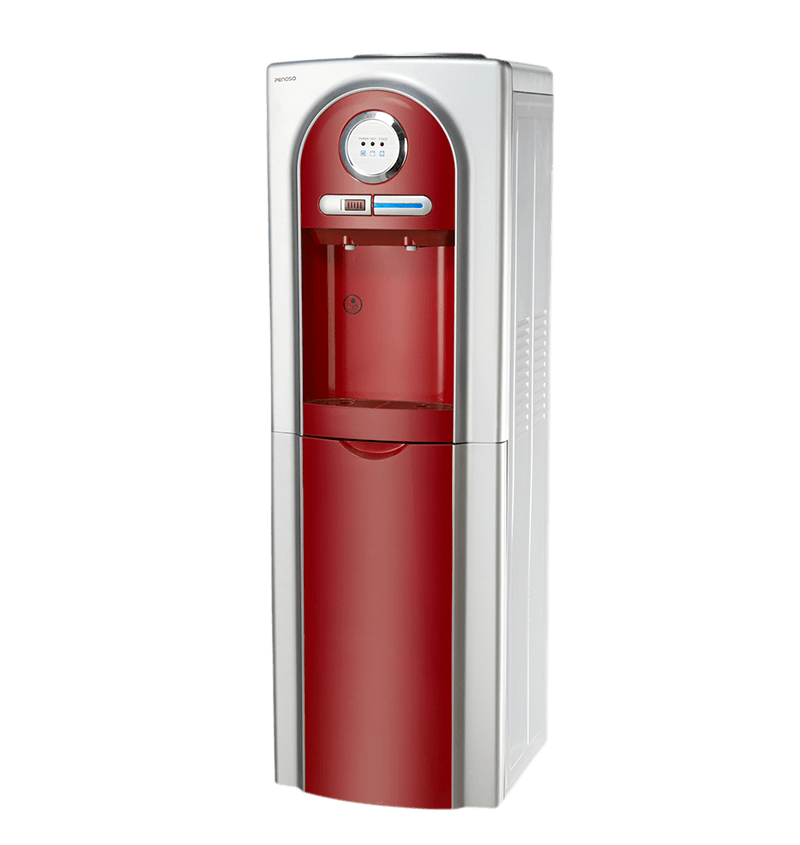
Top loading water dispensers, electric cooling water dispensers, and compressor cooling dispensers provide versatile options for delivering cold and hot water efficiently. These dispensers differ in design, cooling method, and energy efficiency, making it crucial to understand their unique benefits before purchase.
Top Loading Water Dispensers: Simplicity Meets Convenience
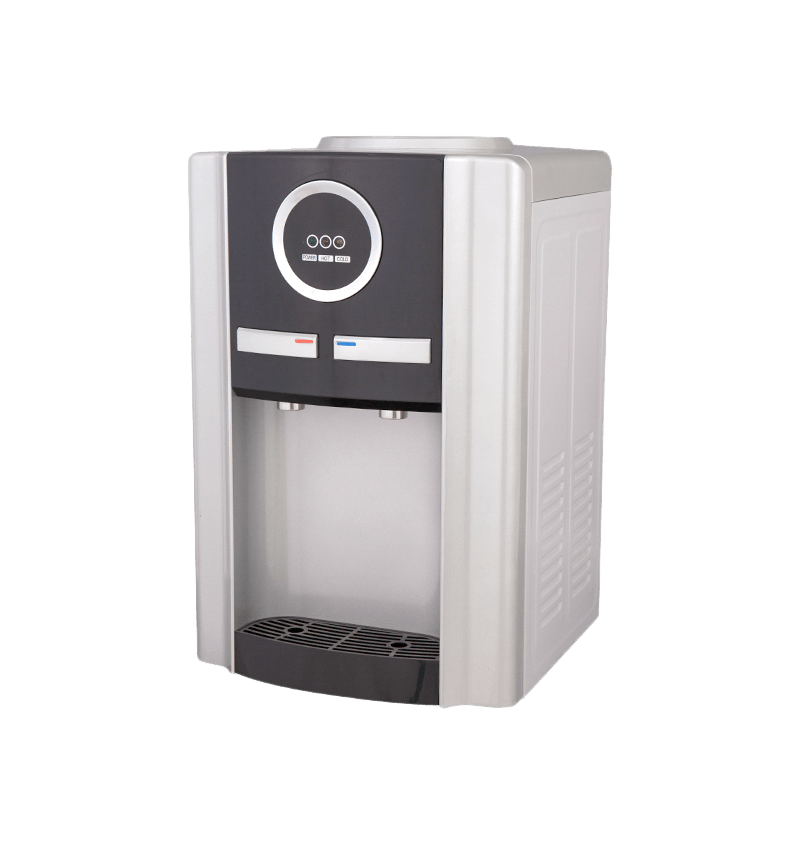
Top loading water dispensers feature an accessible top reservoir where large water bottles are placed. This design is ideal for offices or homes requiring easy bottle replacement without complex installation. They often include separate taps for hot and cold water, providing versatility for beverages, cooking, or quick hydration.
Key Advantages
- Easy installation with no plumbing required
- Supports large capacity water bottles (typically 3–5 gallons)
- Compact design fits in kitchens, offices, or common areas
- Cost-effective and low maintenance
Electric Cooling Water Dispensers: Fast and Efficient Chilled Water
Electric cooling dispensers employ refrigeration technology to chill water quickly. Unlike standard top loading units that rely on passive cooling, electric models ensure water reaches optimal cold temperatures in minutes. These dispensers often include energy-saving modes, making them ideal for high-traffic environments.
Practical Features
- Integrated compressor or thermoelectric cooling systems
- Precise temperature control for consistent cold water
- Option for hot water dispensing in dual-function units
- LED indicators and safety locks for child protection
Compressor Cooling Water Dispensers: Industrial-Grade Performance
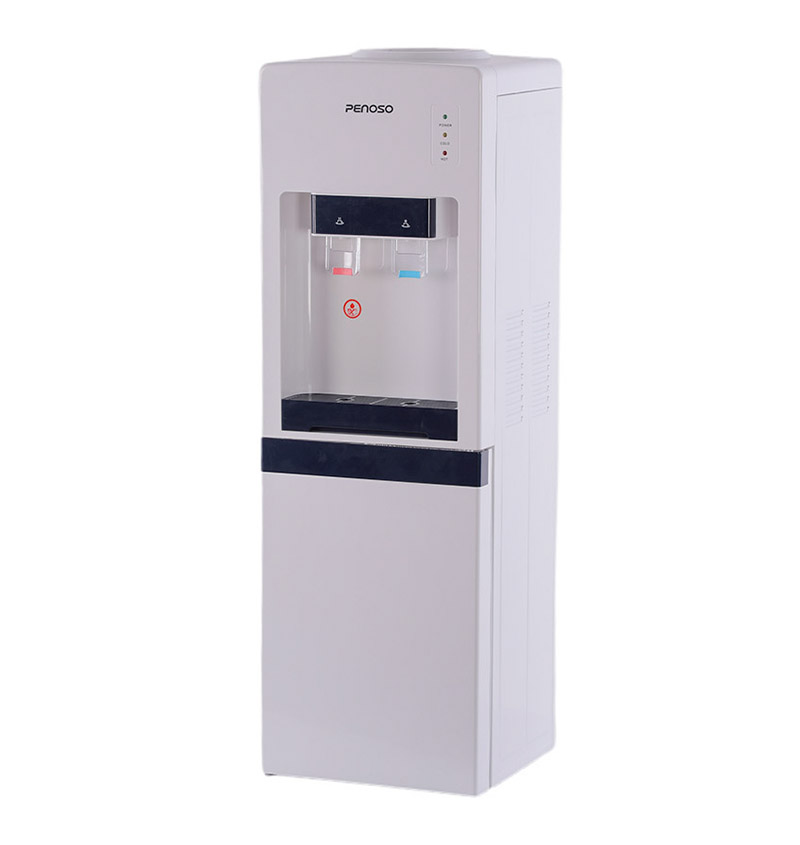
Compressor cooling dispensers use a built-in refrigeration compressor to rapidly cool water, making them suitable for commercial or high-demand settings. These units maintain low temperatures efficiently even under heavy usage, offering superior performance compared to standard electric cooling dispensers.
Why Choose Compressor Cooling
- High cooling capacity for offices, gyms, or retail spaces
- Rapid chill cycles reduce waiting time for cold water
- Long-lasting performance with minimal maintenance
- Consistent temperature stability even in warm environments
Energy Efficiency and Environmental Considerations
Selecting a water dispenser that balances performance with energy efficiency is essential. Compressor cooling units consume more power but provide faster, consistent cooling, while electric top loading units are ideal for moderate use with lower energy costs.
Tips for Reducing Energy Consumption
- Choose dispensers with energy-saving modes or timers
- Regularly clean condenser coils in compressor models
- Use insulated water bottles or reservoirs to minimize heat gain
- Consider dispenser placement away from direct sunlight or heat sources
Maintenance and Hygiene for Safe Water Dispensing
Proper maintenance ensures that water dispensers remain safe, hygienic, and efficient. Regular cleaning of water tanks, drip trays, and dispensing taps prevents bacterial growth and ensures optimal water taste.
Maintenance Best Practices
- Clean reservoirs and taps weekly with mild disinfectants
- Replace water bottles promptly to avoid contamination
- Inspect electrical components and cooling systems monthly
- Drain and clean compressor coils annually to maintain efficiency
Choosing the Best Water Dispenser for Your Space
When selecting a water dispenser, consider usage volume, desired water temperature, energy efficiency, and maintenance requirements. Top loading units are simple and cost-effective, electric cooling dispensers offer fast cold water, and compressor cooling units deliver industrial-grade performance.
Key Selection Criteria
- Daily water consumption and peak usage
- Space availability and portability
- Energy efficiency ratings and operational costs
- Maintenance ease and hygienic design features
- Cooling performance (electric vs. compressor)