 English
 عربى
عربى Português
 Español
Introduction to Top-Loading Water Dispenser Design
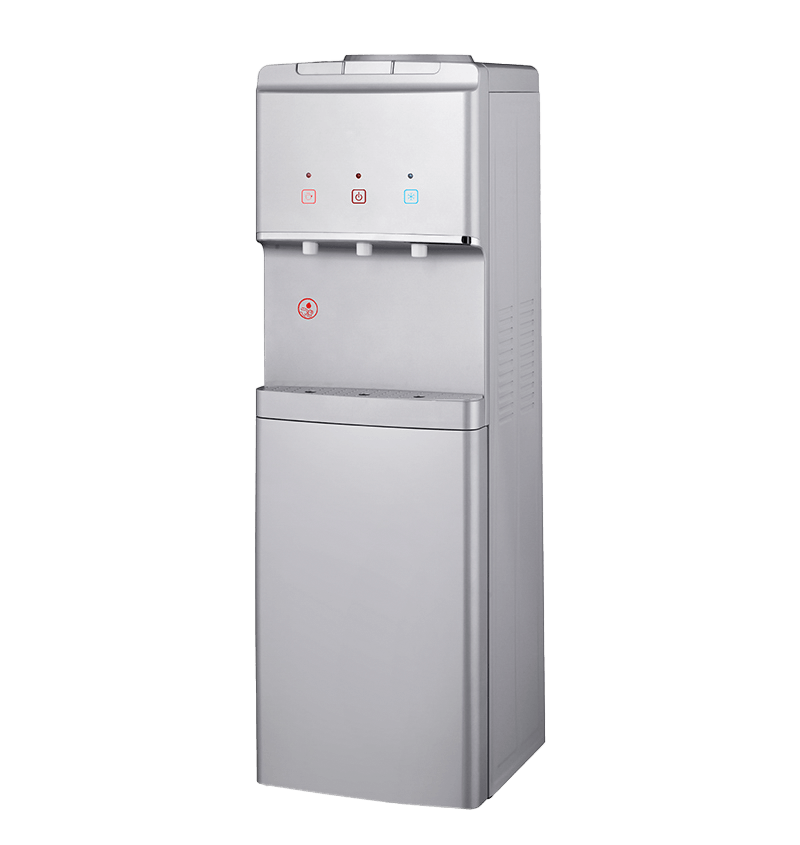
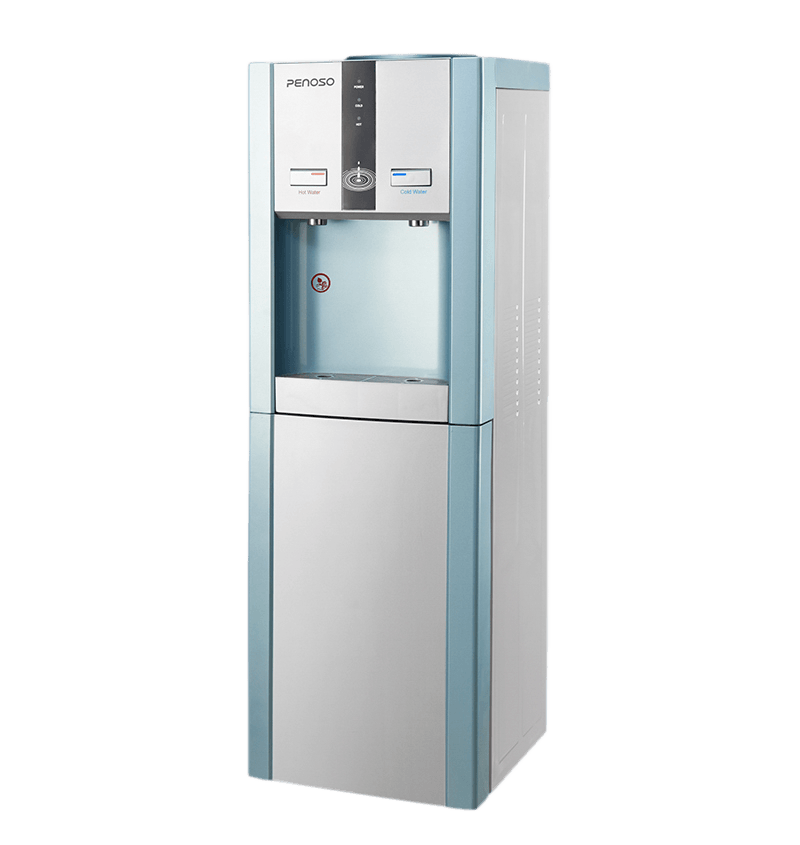
Top-loading water dispensers are widely used in homes, offices, and commercial spaces due to their convenience and ease of use. Unlike bottom-loading dispensers, these units rely on placing a water bottle on the top, allowing gravity to feed water into the dispenser system. Design considerations include hygiene, durability, and ease of maintenance, which directly impact user satisfaction and water quality.
Antibacterial Features in Water Dispensers
Modern top-loading water dispensers often incorporate antibacterial materials and coatings in key contact areas such as the water inlet, reservoir, and spouts. These features help reduce microbial growth within the dispenser, minimizing the risk of contamination. Materials with antibacterial properties, such as certain plastics treated with silver ions or other non-toxic agents, can slow bacterial proliferation and maintain cleaner water for longer periods.
Use of Anti-Scaling Materials
Water hardness varies by region and can lead to scale buildup in dispensers. Top-loading water dispensers designed for long-term use often include components made from anti-scaling materials. Stainless steel, treated plastics, or ceramic elements resist mineral accumulation, which helps maintain consistent water flow and prevents clogging or damage to internal mechanisms over time.
Water Flow and Hygiene Maintenance
The design of the water reservoir, spouts, and internal piping influences both water hygiene and scale prevention. Smooth surfaces and minimal crevices reduce areas where bacteria or mineral deposits can accumulate. Additionally, top-loading dispensers typically allow easy access for cleaning and sanitizing, supporting regular maintenance routines and extending the functional life of the unit.
Key Components with Antibacterial or Anti-Scaling Properties
| Component | Material/Feature | Function |
|---|---|---|
| Water inlet | Antibacterial plastic | Reduces microbial growth at the entry point |
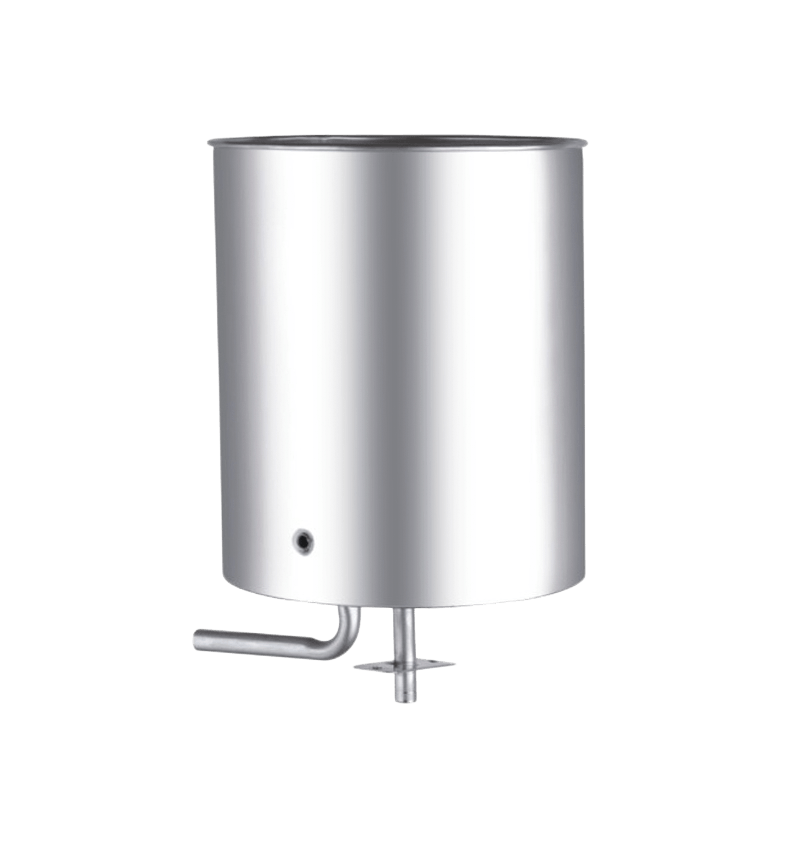
| Reservoir | Stainless steel / treated plastic | Prevents scale accumulation and maintains water quality |
| Spouts | Silver-ion coated plastic | Minimizes bacteria on contact surfaces |
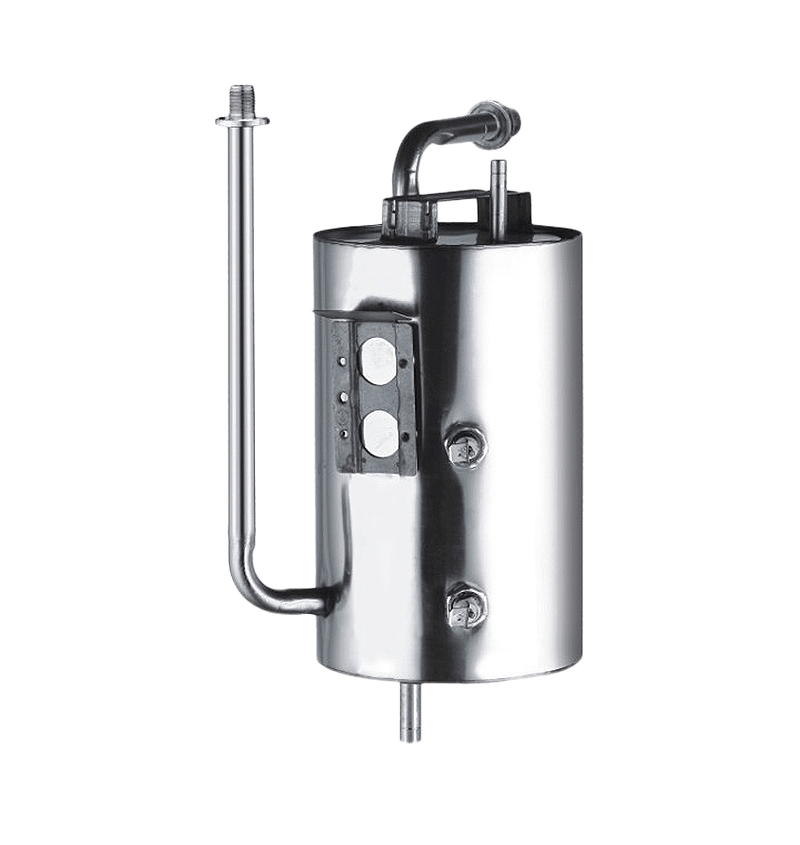
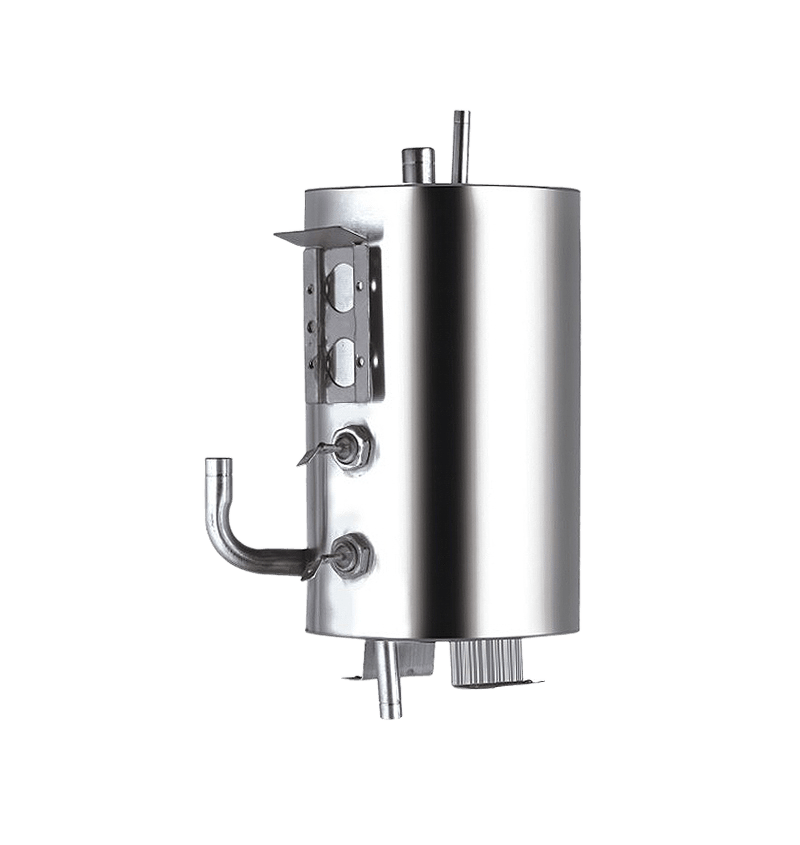
| Internal tubing | Food-grade, anti-scaling material | Supports consistent flow and reduces mineral buildup |
Impact of Water Quality on Antibacterial and Anti-Scaling Performance
The effectiveness of antibacterial designs and anti-scaling materials can vary based on the quality of source water. High-mineral content water may still cause deposits over time, while poor storage or handling practices can introduce microorganisms. Proper selection of dispenser materials and adherence to cleaning schedules are essential for optimal performance.
Temperature and Antimicrobial Protection
Top-loading dispensers often feature hot and cold water options. Elevated water temperatures help reduce bacterial growth in the hot water reservoir but may accelerate scaling in regions with hard water. Cold water reservoirs benefit from antibacterial surfaces and smooth material design, which collectively prevent microbial accumulation without altering the taste or safety of the water.
Maintenance Practices for Longevity
Even with antibacterial and anti-scaling materials, regular maintenance is crucial. Routine cleaning, including removing the water bottle, disinfecting the reservoir, and flushing the system, ensures that the dispenser continues to function efficiently. Anti-scaling materials reduce cleaning frequency, but periodic attention is necessary to prevent both mineral buildup and bacterial growth.
Ergonomics and Safety Considerations
Top-loading water dispensers are designed to balance ease of use with safety and hygiene. Smooth surfaces, detachable reservoirs, and accessible spouts make cleaning easier. The use of antibacterial plastics reduces direct contact contamination, and anti-scaling materials maintain reliable water flow, which reduces the risk of operational issues that could compromise user safety.
Recommended Cleaning Schedule for Top-Loading Water Dispensers
| Frequency | Cleaning Task | Purpose |
|---|---|---|
| Daily | Wipe exterior surfaces and spouts | Maintain hygiene and reduce surface bacteria |
| Weekly | Flush reservoir with warm water | Remove minor buildup and prevent microbial growth |
| Monthly | Deep clean and disinfect reservoir and tubing | Prevent scale formation and bacterial contamination |
Integration of Design and Materials for Long-Term Use
The combination of antibacterial design and anti-scaling materials enhances both the safety and longevity of top-loading water dispensers. Using treated plastics and stainless steel elements reduces microbial colonization, while anti-scaling components maintain consistent water flow. Together, these features ensure that the dispenser can handle prolonged usage without compromising water quality or operational reliability.
Environmental and Health Considerations
Using non-toxic, food-grade materials in top-loading water dispensers aligns with health and environmental standards. Antibacterial additives are carefully selected to be safe for human contact, and anti-scaling materials minimize chemical cleaning requirements. This contributes to environmentally conscious usage while maintaining a hygienic water supply.
Practical Implications for Users
For households or offices, choosing a top-loading water dispenser with antibacterial design and anti-scaling materials translates into less frequent maintenance, safer water, and more reliable operation. Awareness of local water hardness and adherence to recommended cleaning routines further enhance the dispenser’s performance and user satisfaction.
Design Efficacy
Top-loading water dispensers that incorporate antibacterial surfaces and anti-scaling materials demonstrate enhanced performance in both hygiene and durability. While regular maintenance remains essential, these design features significantly support long-term usability, protect against microbial contamination, and reduce mineral buildup, ensuring safe and convenient access to drinking water in a variety of environments.