 English
 عربى
عربى Português
 Español
Pipeline water dispensers are not new. They have been around for years in offices, factories, schools, and hospitals. What is new is how often buyers are now asking deeper questions about them.
Rising bottled water costs, tighter hygiene standards, and growing concerns about sustainability are pushing more customers to look seriously at pipeline water dispensers instead of traditional bottled systems.
From a manufacturer’s point of view, this shift is not just a trend. It is changing how products are designed, tested, and positioned.
So What Is a Pipeline Water Dispenser?
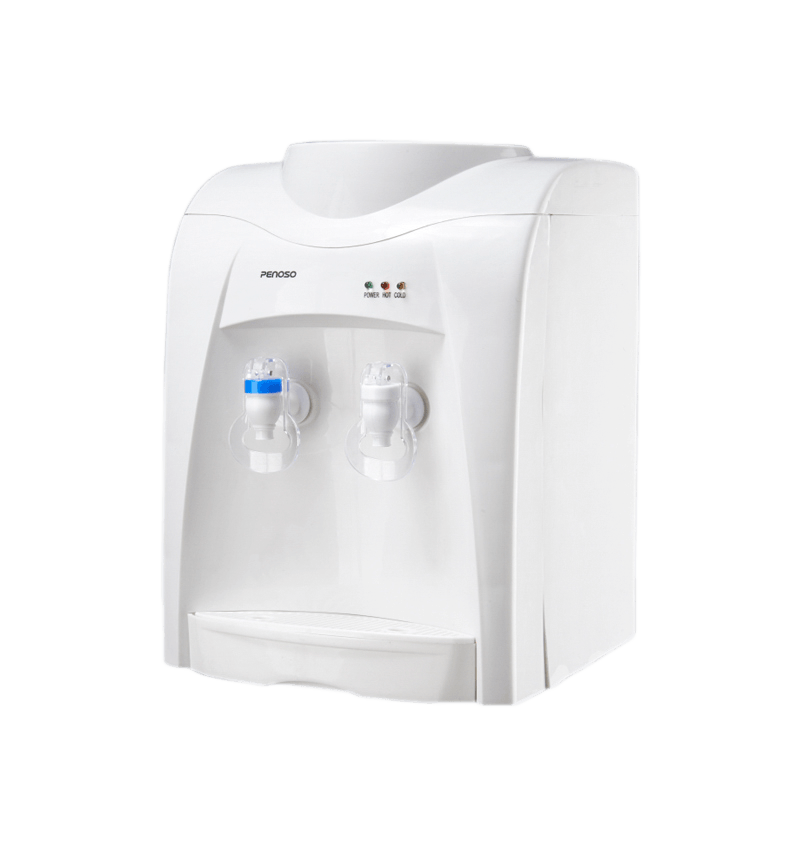
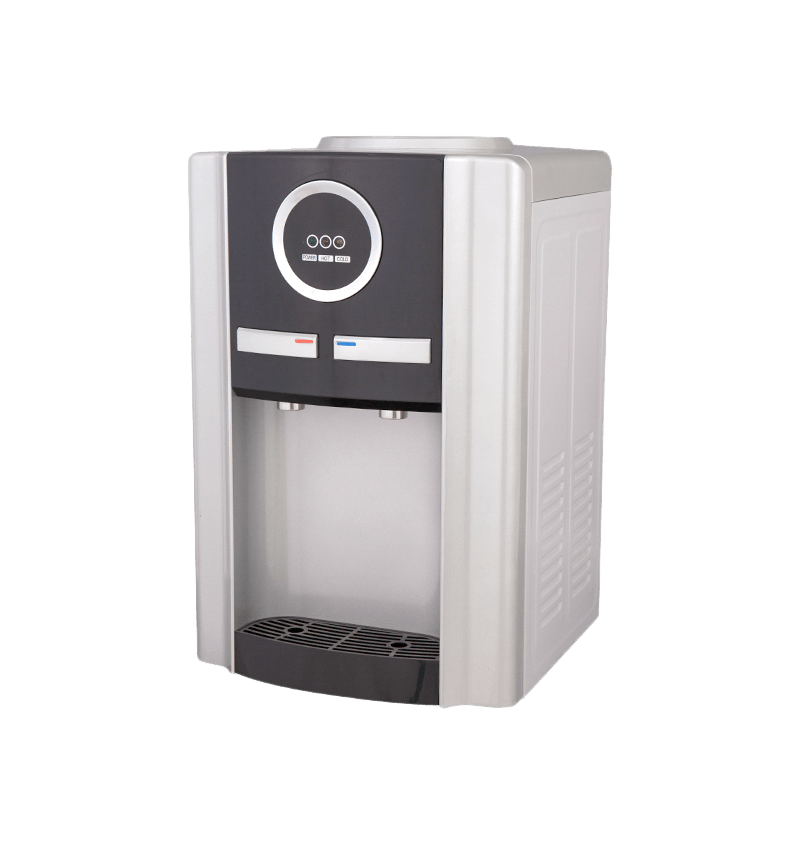
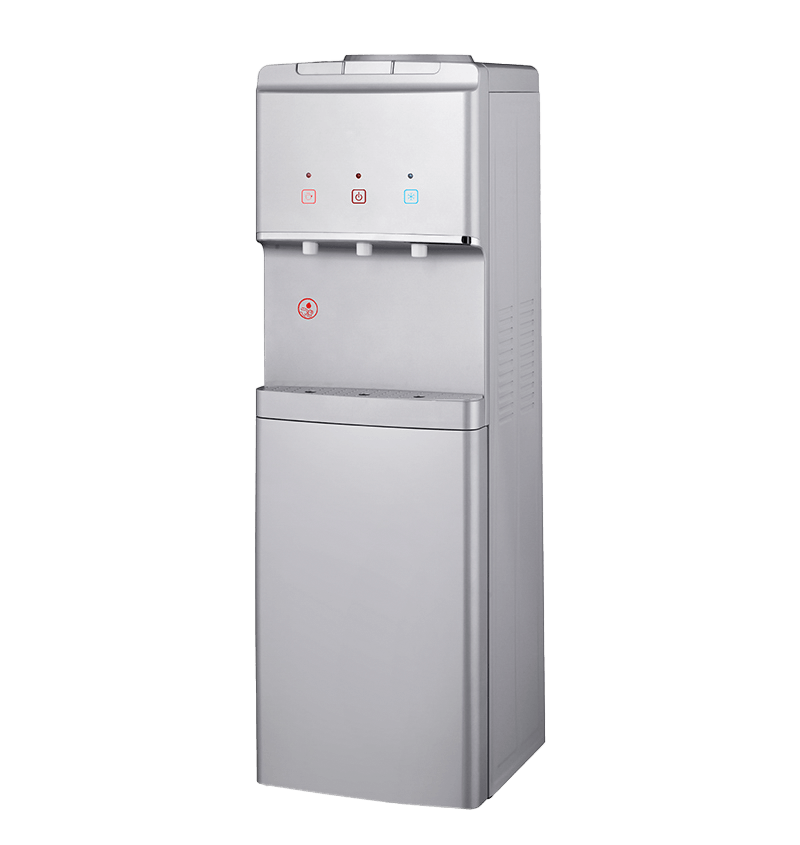
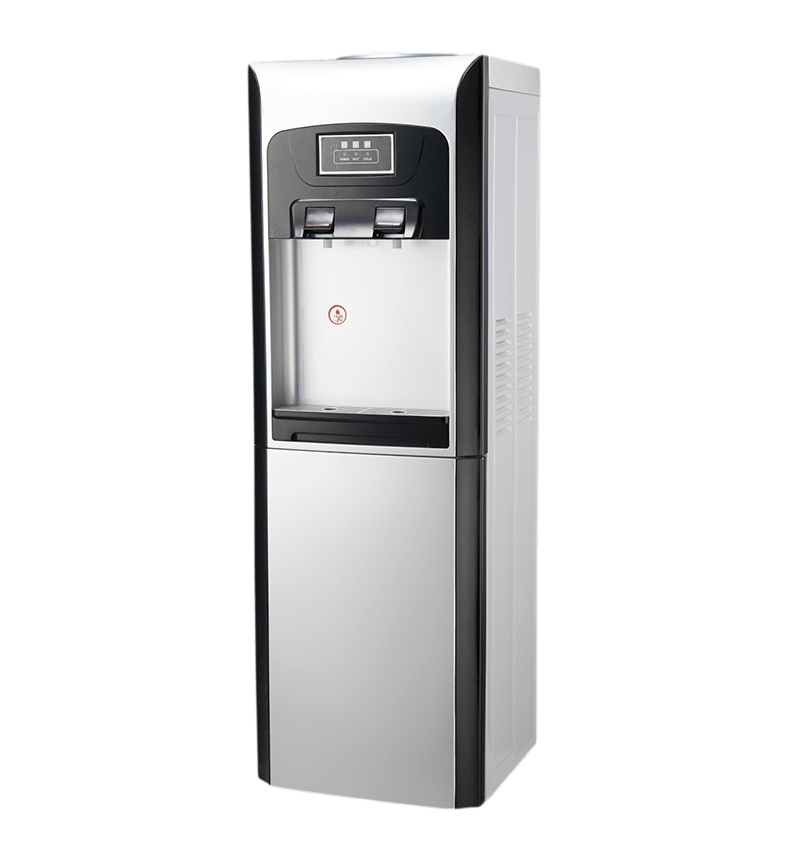
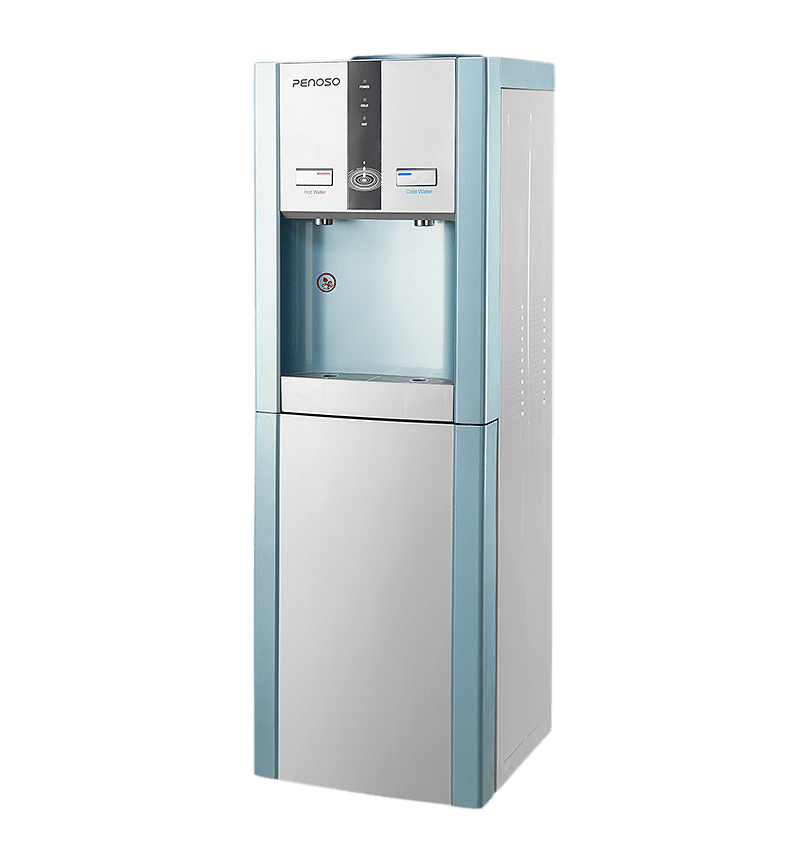
A pipeline water dispenser is a water dispensing system that connects directly to a building’s water supply. Instead of loading bottles, it filters, heats, and cools tap water in real time.
Once installed, it delivers drinking water continuously, without manual refilling or bottle replacement.
How It Is Different from Bottled Water Dispensers
The biggest difference is the water source. Bottled dispensers rely on delivered water. Pipeline systems rely on local water, treated inside the machine.
This single difference affects cost, maintenance, hygiene, and user behavior.
Why Does This Matter So Much Right Now?
For many buyers, bottled water dispensers used to feel simple and safe. That perception is changing.
Bottle logistics are expensive. Storage takes space. Lifting heavy bottles creates safety risks. And plastic waste is becoming harder to ignore.
Pipeline water dispensers directly address these pain points. That is why purchasing teams, facility managers, and even HR departments are now involved in the decision.
Cost Pressure Is a Big Driver
When companies calculate long-term costs, bottled water often turns out to be far more expensive than expected.
Pipeline systems require higher upfront investment, but operating costs are much lower.
Hygiene Expectations Are Rising
Users want sealed systems, fewer touch points, and consistent water quality. Pipeline dispensers can be designed to meet stricter hygiene standards more easily.
When Are Pipeline Water Dispensers Usually Used?
Pipeline water dispensers are not limited to one environment.
Office Buildings
Offices use them to reduce bottled water handling and provide stable drinking water for staff throughout the day.
Factories and Workshops
In industrial settings, continuous water access matters. Pipeline systems avoid interruptions caused by empty bottles.
Schools and Hospitals
These environments value hygiene, reliability, and long-term cost control.
Commercial Spaces
Hotels, malls, and gyms use pipeline dispensers to support high user volume without constant maintenance.
How Does a Pipeline Water Dispenser Actually Work?
At a basic level, the system takes tap water and improves it before dispensing.
Water Inlet and Filtration
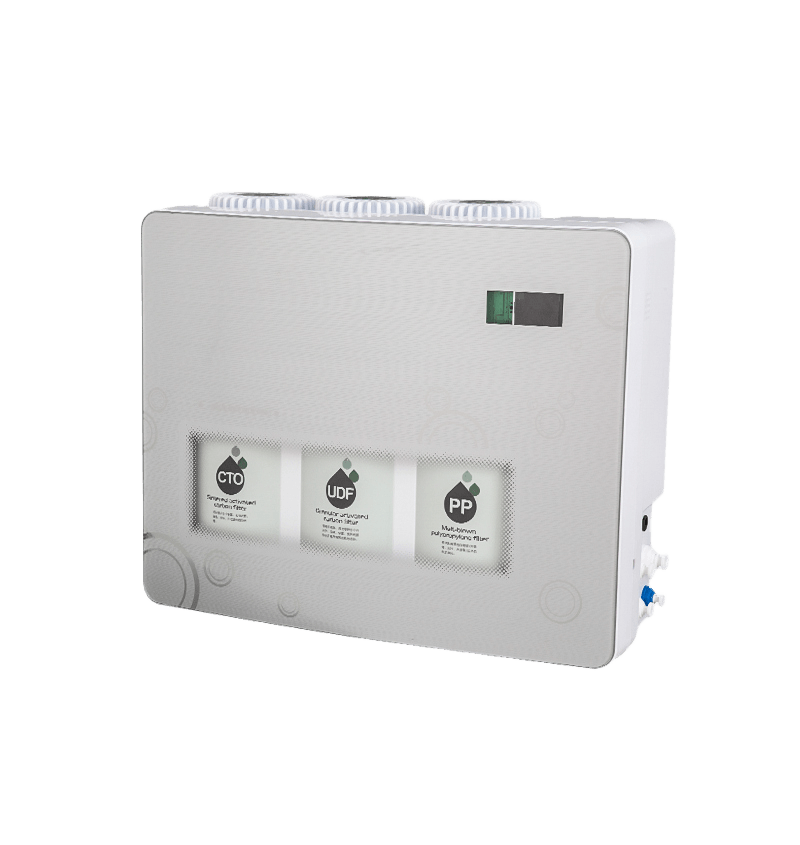
Water enters the machine through the pipeline and passes through one or more filtration stages. These may include sediment filters, carbon filters, or membrane systems.
Heating and Cooling
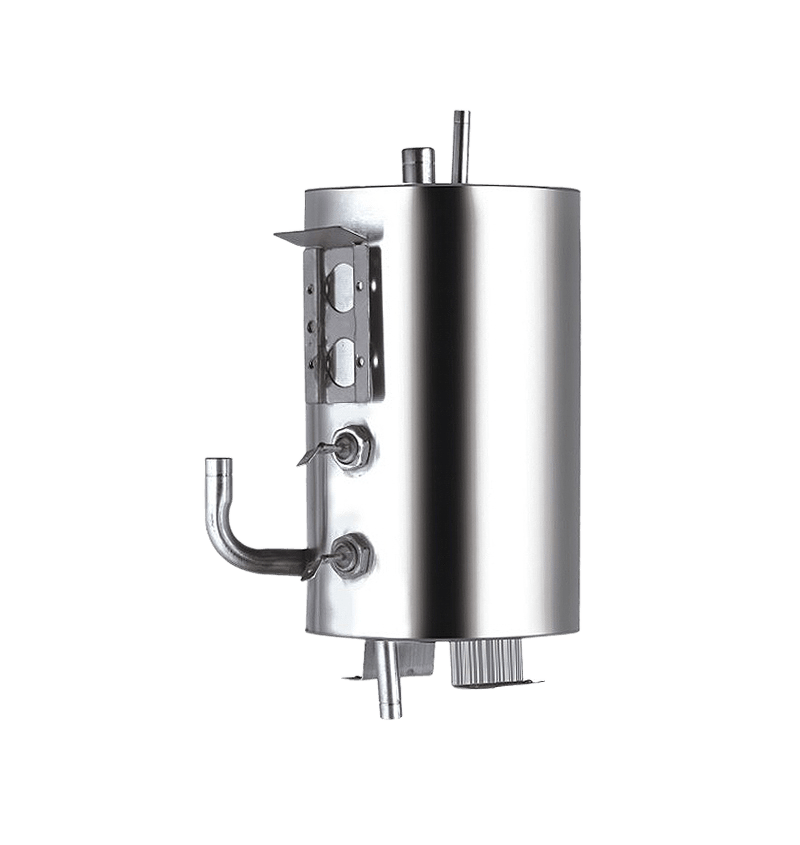
After filtration, water is either heated or cooled depending on user selection. Heating systems often use electric heating tanks, while cooling relies on compressors or electronic cooling modules.
Control and Safety Systems
Sensors monitor temperature, water level, and system status. Many modern units include fault detection and automatic shut-off functions.
Dispensing Interface
Water is delivered through buttons, touch panels, or sensor-based controls. This is where user experience matters most.
The Real Benefits Manufacturers Talk About Less
Marketing often focuses on convenience and cost, but there are other advantages worth mentioning.
Stable Water Quality Output
With proper filter management, pipeline systems deliver more consistent water quality than bottled systems that rely on external suppliers.
Scalability
Pipeline dispensers can be designed for different capacities without changing the core concept.
Brand Image for End Users
Using pipeline water dispensers signals environmental responsibility, which matters to many organizations.
But What Are the Trade-Offs?
No system is perfect, and pipeline water dispensers come with compromises.
Installation Requirements
They require access to a water line and often a drain. This limits placement flexibility.
Dependence on Local Water Quality
If incoming water quality is poor, filtration systems must be stronger, which increases cost and maintenance.
Filter Replacement Responsibility
Unlike bottled systems, water quality depends on regular filter replacement. Skipping maintenance leads to problems.
Pipeline Water Dispenser vs Bottled Water Dispenser
| Aspect | Pipeline Water Dispenser | Bottled Water Dispenser |
|---|---|---|
| Water Source | Direct tap water | Delivered bottled water |
| Operating Cost | Lower over time | Higher long term |
| Installation | Requires plumbing | No plumbing needed |
| Hygiene Control | Internal filtration and sealing | Depends on bottle handling |
| Environmental Impact | Reduced plastic waste | High plastic consumption |
What Buyers Should Pay Attention To Before Choosing
Many problems with pipeline water dispensers come from poor matching, not poor products.
Local Water Quality Report
Knowing the baseline water quality helps determine the right filtration system.
Usage Volume
A small office and a factory floor have very different needs. Capacity matters.
Maintenance Access
Filters must be easy to replace. If maintenance is complex, it will be skipped.
After-Sales Support
Reliable technical support matters more for pipeline systems than bottled ones.
How Manufacturers Are Adapting Their Designs
Manufacturers are responding to market feedback in practical ways.
Touchless dispensing is becoming more common. Modular filter designs simplify maintenance. Smart indicators remind users when service is needed.
Some manufacturers are also developing region-specific models to handle different water conditions.
Final Thoughts from a Manufacturing Perspective
Pipeline water dispensers are no longer just an alternative to bottled water. For many users, they are becoming the default choice.
For manufacturers, the challenge is not explaining what the product is. It is helping buyers understand whether it fits their environment.
Clear communication, honest performance data, and realistic maintenance guidance matter more than bold claims.
When pipeline water dispensers are selected and used correctly, they offer long-term value that bottled systems struggle to match.
That is why this category continues to grow, not through hype, but through practical results.
.jpg "Self Cleaning Bottom Loading Water Cooler Water Dispenser - 3 Temperature Settings PS-SLR-812B")