 English
 عربى
عربى Português
 Español
Introduction to Desktop Water Dispensers
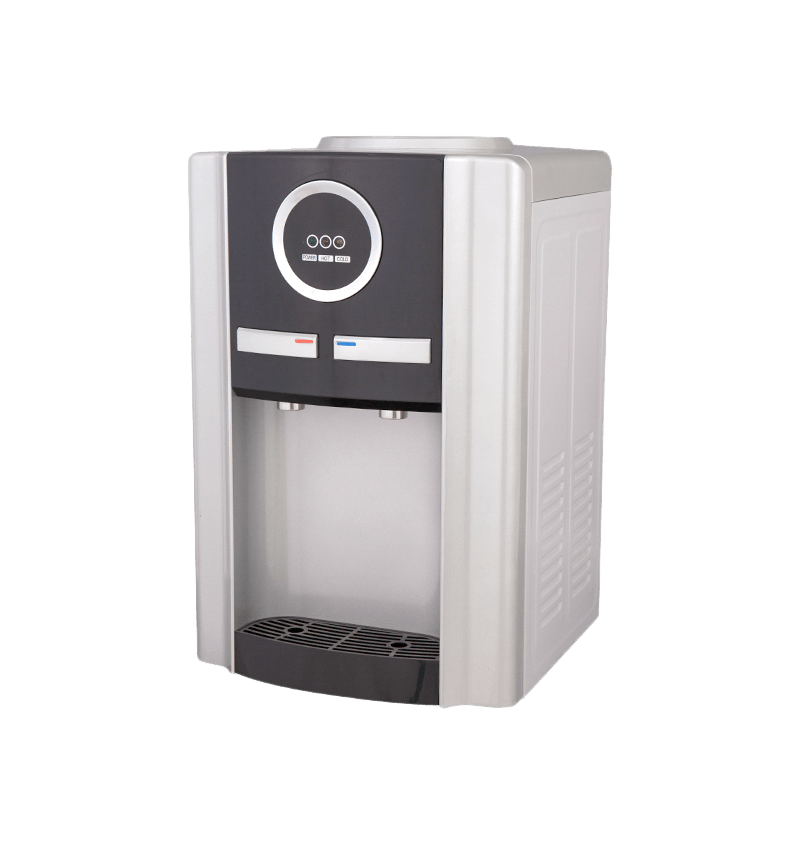
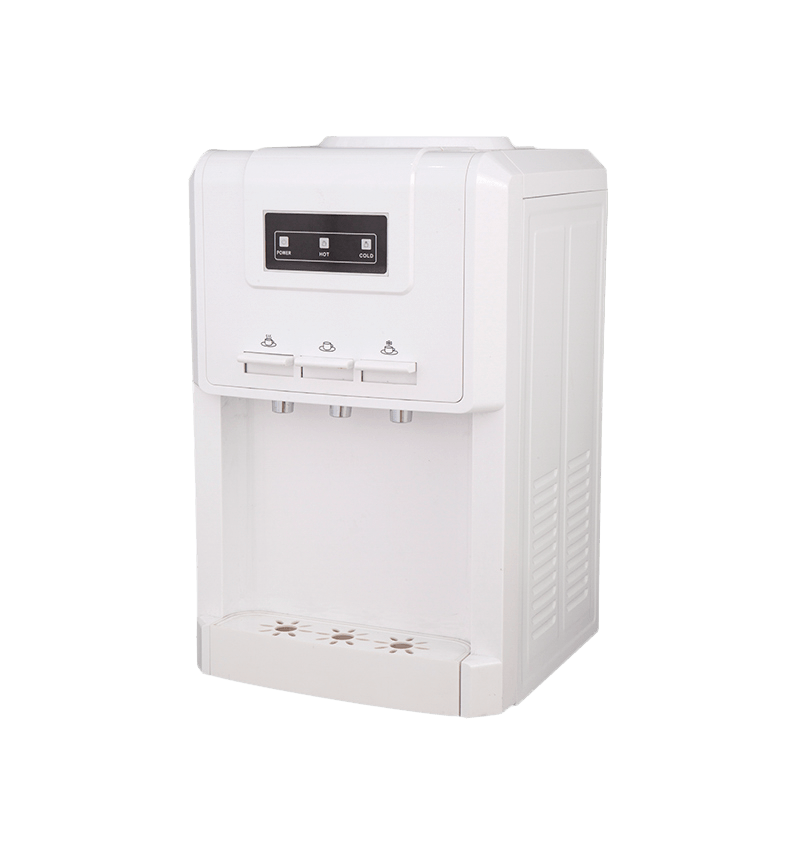
Desktop water dispensers have become a common feature in offices, homes, and other workplaces due to their convenience and ease of access to drinking water. These devices provide a constant supply of water, either cold, hot, or room temperature, at the push of a button, making them a popular choice for hydration throughout the day. However, despite their widespread use, there are health and safety concerns that should be considered when using desktop water dispensers. These concerns range from potential bacterial growth to safety hazards related to the hot water functions.
Health Concerns: Bacterial and Mold Growth
One of the primary health concerns associated with desktop water dispensers is the potential for bacterial and mold growth. Water dispensers typically store water in large bottles or reservoirs, which, if not cleaned and maintained properly, can become breeding grounds for harmful microorganisms. Bacteria such as Legionella and mold can grow in the water dispenser, especially in areas with higher humidity or warmer temperatures. The presence of these microorganisms can lead to various health issues, including respiratory infections and gastrointestinal illnesses.
To minimize the risk of bacterial and mold growth, it is essential to regularly clean the water dispenser, including the water reservoir, taps, and pipes. Most manufacturers recommend cleaning the dispenser at least once every two weeks, using a mild disinfectant or a solution of water and vinegar. Additionally, users should ensure that water bottles are stored in a cool, dry place and are not exposed to sunlight, as this can promote the growth of microorganisms. If a water dispenser is not used for an extended period, it should be thoroughly cleaned and sanitized before reuse.
Health Concerns: Contamination from Old or Poor-Quality Water Bottles
Another health concern is the quality of the water used in the dispenser. If the water bottle is old, damaged, or has been stored improperly, it can become contaminated. For instance, plastic water bottles that are exposed to sunlight for long periods can develop harmful chemicals, such as bisphenol A (BPA), which can leach into the water. BPA is known to be an endocrine disruptor and can lead to various health problems, including hormone imbalances and reproductive issues.
To reduce the risk of contamination, it is recommended to use high-quality, BPA-free water bottles and replace them periodically. It is also important to inspect water bottles for any signs of damage, such as cracks or dents, which can lead to contamination. Using filtered water or purchasing bottled water from a reputable source can further reduce the risk of waterborne contaminants, ensuring that the water dispensed is safe for drinking.
Safety Concerns: Hot Water Burns and Scalding
Many desktop water dispensers come equipped with a hot water function, which is convenient for making tea, coffee, or instant soups. However, this feature presents a safety concern, particularly in environments with young children or individuals who may not be aware of the dangers associated with hot water. Burns and scalds from hot water dispensers are a common injury, especially when the hot water function is not properly secured or when the dispenser is located in an area with frequent foot traffic.
To minimize the risk of burns and scalding, it is crucial to place the water dispenser in a location that is out of reach of children or others who may accidentally trigger the hot water button. Some dispensers come with safety features such as child-lock functions that prevent accidental dispensing of hot water. Additionally, users should be mindful of the temperature settings and avoid setting the water temperature too high. Regular checks to ensure that the hot water function is working correctly and is not malfunctioning can also help prevent accidents.
Safety Concerns: Electrical Hazards
As with any electrical appliance, desktop water dispensers pose potential electrical hazards if not used correctly or if they are faulty. Water and electricity are a dangerous combination, and if water comes into contact with electrical components, there is a risk of short-circuiting or even electric shock. This risk is particularly high when water dispensers are used in areas with high humidity or where the dispenser may spill or leak water.
To reduce the risk of electrical hazards, it is important to use the water dispenser according to the manufacturer’s instructions, especially in terms of placement and maintenance. The dispenser should be plugged into a properly grounded outlet, and users should avoid using extension cords, which can pose additional risks. It is also essential to regularly inspect the water dispenser for any signs of damage to the electrical wiring, and any exposed or frayed wiring should be replaced immediately. If the dispenser is malfunctioning or leaking water, it should be unplugged and repaired or replaced as soon as possible.
Safety Concerns: Improper Maintenance and Hygiene
Improper maintenance and hygiene are key factors in ensuring the safe operation of desktop water dispensers. Over time, residue from minerals in water can accumulate in the pipes, filters, and dispenser components. If not cleaned properly, these residues can not only affect the quality of the water dispensed but can also serve as a breeding ground for bacteria and mold. A poorly maintained water dispenser may also cause unpleasant odors or even alter the taste of the water.
Routine cleaning and maintenance are essential for keeping the dispenser in safe working condition. Most water dispensers come with specific cleaning instructions, which should be followed carefully. It is recommended to clean the dispenser at regular intervals, including flushing out the pipes and cleaning the taps. Replacing the water filter (if the dispenser uses one) at the manufacturer-recommended intervals ensures that the water remains free from contaminants and tastes fresh. Regularly checking for any signs of mineral buildup or mold can help prevent hygiene-related issues.
Health and Safety Tips for Using a Desktop Water Dispenser
To ensure that a desktop water dispenser remains both safe and healthy to use, here are several practical tips:
- Clean the dispenser regularly, using mild disinfectants or a solution of vinegar and water to remove bacteria and mold.
- Use BPA-free water bottles and replace them regularly to avoid contamination from damaged or old bottles.
- Ensure that the water dispenser is located out of reach of children or other individuals who may accidentally trigger the hot water function.
- Install child-lock features on the hot water dispenser to prevent burns and scalding.
- Check the electrical wiring regularly and ensure that the dispenser is plugged into a grounded outlet.
- Replace the water filter periodically if the dispenser uses one to maintain the quality of the water.
- Inspect the water dispenser for any signs of leaks or damage, and repair or replace it as needed to avoid electrical hazards.
- Store water bottles in a cool, dry place away from direct sunlight to prevent bacterial or chemical contamination.
Comparing Desktop Water Dispensers with Other Water Delivery Methods
In comparison to other water delivery methods, such as bottled water coolers or filtered tap water, desktop water dispensers offer several advantages, such as convenience and ease of use. However, as discussed, they also come with certain health and safety risks that need to be addressed through regular maintenance and proper usage. Bottled water coolers, for instance, also require careful maintenance to prevent bacterial growth in the water reservoirs, while filtered tap water systems may have their own set of concerns regarding filter replacement and contamination. Ultimately, regardless of the type of water delivery system chosen, it is essential to prioritize hygiene, safety, and regular maintenance to ensure the water remains clean and safe to drink.
| Health and Safety Concerns | Desktop Water Dispenser | Bottled Water Cooler | Filtered Tap Water |
|---|---|---|---|
| Bacterial Growth | Moderate risk, if not cleaned regularly | Moderate risk, requires regular bottle cleaning | Low risk, dependent on filter maintenance |
| Water Contamination | Risk from old or damaged bottles | Risk from exposure to sunlight or improper storage | Risk from poor water source or filter issues |
| Hot Water Burns | Risk if safety features are not in place | Low risk, but hot water option may exist | Not applicable |
| Electrical Hazards | Risk from leakage or improper grounding | Low risk if well-maintained | Low risk if installed properly |