 English
 عربى
عربى Português
 Español
Overview of pipeline water dispensers
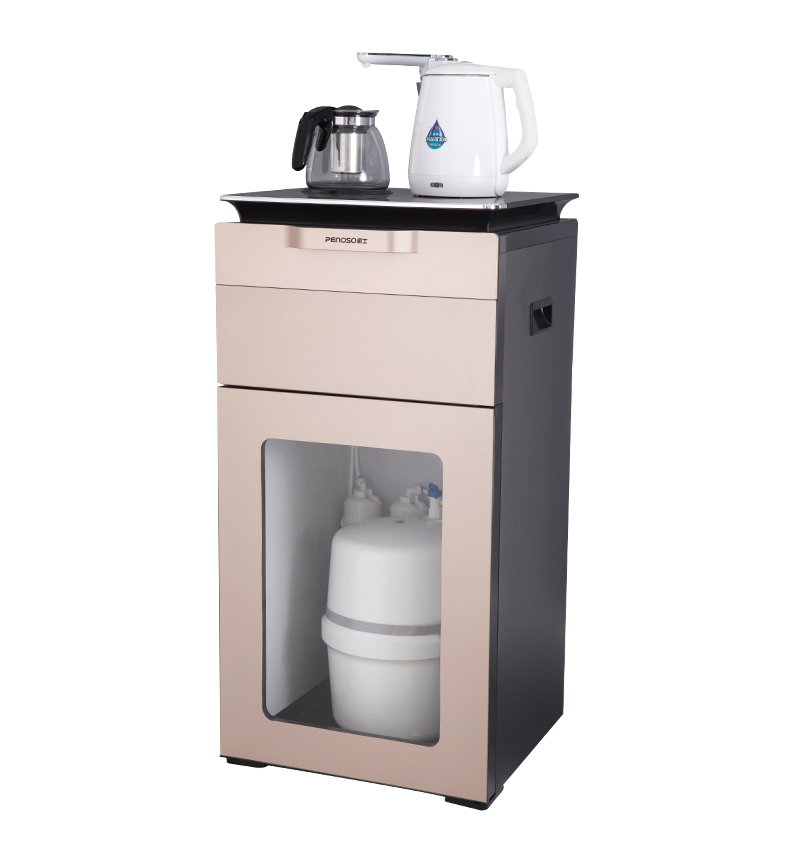
A pipeline water dispenser is directly connected to a building’s water supply system and is designed to provide continuous access to drinking water at controlled temperatures. Unlike bottled water dispensers, this type of equipment relies on internal heating, cooling, and filtration systems to deliver hot, warm, or cold water on demand. Because it handles pressurized water and elevated temperatures, users often focus on whether the dispenser is heat-resistant, anti-scalding, and leak-proof during daily operation.
Material selection and heat resistance
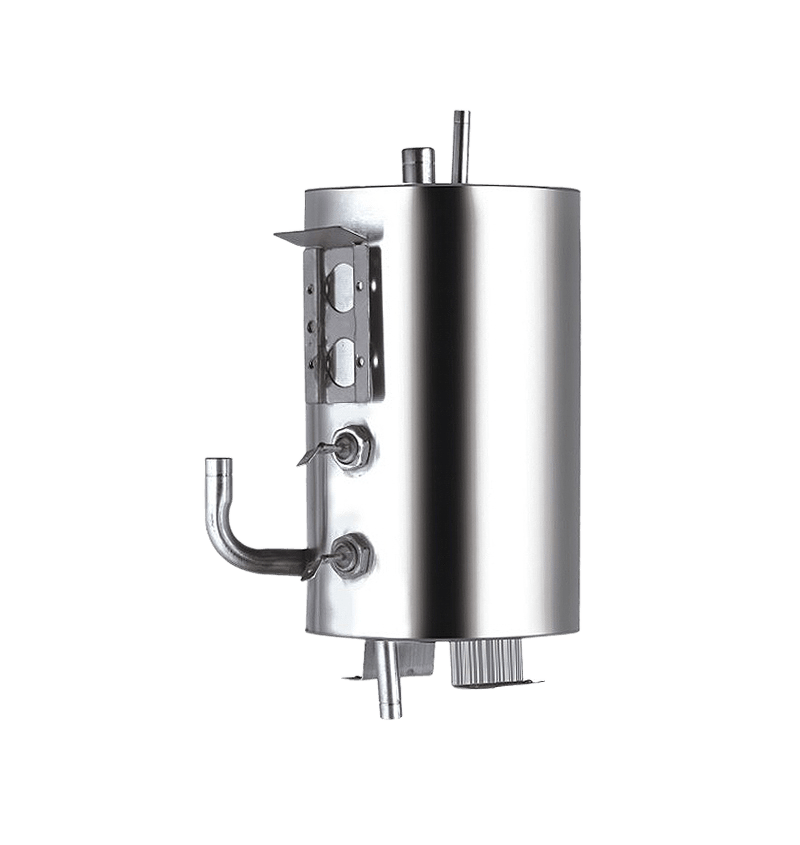
Heat resistance in a pipeline water dispenser depends largely on the materials used in its internal and external components. The water heating chamber, pipes, and valves are typically made from stainless steel, copper alloys, or certified heat-resistant polymers. These materials are chosen because they can tolerate repeated heating cycles without deformation, cracking, or releasing unwanted substances into the water. External housing components are also designed to withstand heat transfer from internal systems, ensuring the surface temperature remains within a manageable range during operation.
Heating system design and thermal stability
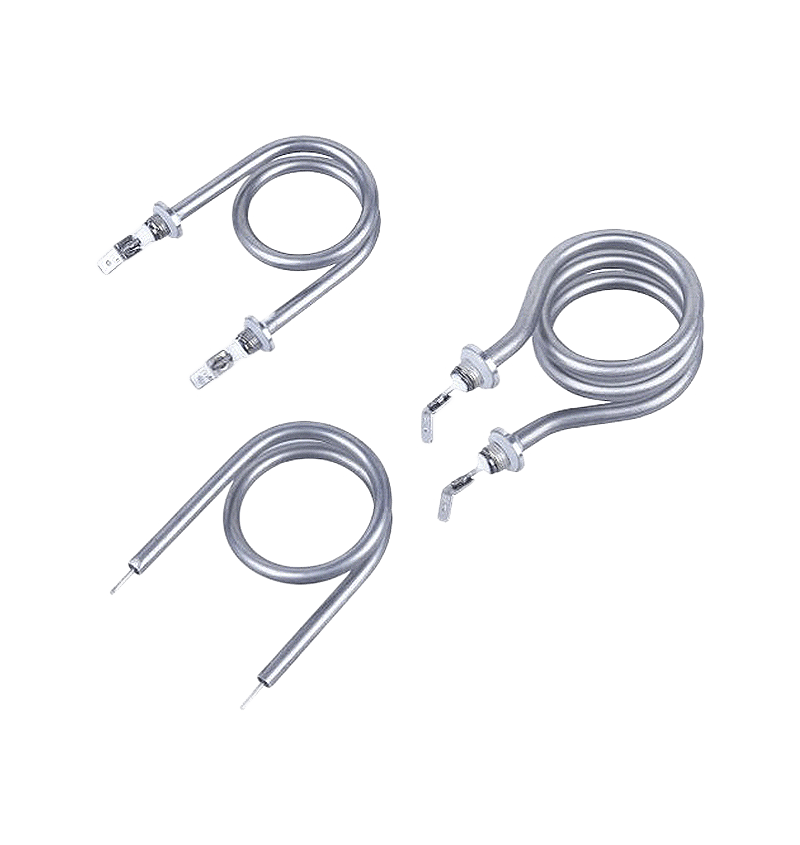
The heating system of a pipeline water dispenser usually consists of an electric heating element combined with a temperature control unit. Thermal stability is achieved through sensors that monitor water temperature and regulate power input. When designed correctly, the heating system distributes heat evenly and avoids localized overheating. This controlled approach helps maintain consistent water temperature while protecting internal components from thermal stress, which supports long-term reliability and safe use.
Anti-scalding mechanisms and user safety
Anti-scalding features are essential for dispensers that provide hot water. These mechanisms often include thermostatic controls, temperature limiters, and delayed dispensing functions. By restricting the maximum outlet temperature or requiring a deliberate action to dispense hot water, the risk of accidental burns is reduced. Some designs incorporate dual-control systems where hot water is mixed with cooler water at the outlet, ensuring the delivered temperature stays within a safer range for household or commercial environments.
Insulation and surface temperature control
Effective insulation plays an important role in anti-scalding performance. Internal insulation materials reduce heat transfer from the heating chamber to the outer casing. As a result, the external surfaces remain relatively cool even when hot water is being produced. This design consideration is especially important in environments where children, elderly users, or untrained personnel may come into contact with the dispenser, as it minimizes the chance of accidental contact burns.
Leak-proof structural design
Leak prevention in pipeline water dispensers is achieved through a combination of structural design, sealing technology, and manufacturing precision. Water pathways are designed with minimal joints, and where connections are necessary, high-quality seals and gaskets are used. Precision molding and machining ensure tight tolerances between components, reducing the risk of water escaping during normal operation or under pressure fluctuations.
Sealing materials and connection integrity
Seals and gaskets are typically made from food-grade silicone, rubber compounds, or other flexible materials that maintain elasticity under temperature changes. These materials adapt to slight expansions and contractions caused by heating and cooling cycles, preserving a tight seal over time. Threaded connections, quick-connect fittings, or welded joints are selected based on their ability to maintain integrity under continuous water pressure and thermal variation.
Pressure resistance and pipeline compatibility
A pipeline water dispenser must handle varying water pressures from municipal or building supply systems. Pressure-resistant design ensures that internal pipes, valves, and joints do not deform or loosen when pressure changes occur. Pressure-regulating components are often integrated to stabilize flow and protect internal structures. Compatibility with standard pipeline systems further reduces installation-related stress that could otherwise lead to leaks.
Testing and quality control processes
To ensure heat resistance, anti-scalding performance, and leak-proof reliability, manufacturers typically conduct multiple tests during production. These tests may include pressure testing, thermal cycling, and extended operation simulations. By exposing the dispenser to repeated heating and cooling cycles as well as sustained pressure, potential weaknesses can be identified and addressed before the product reaches users. Quality control processes play a central role in ensuring consistent performance across units.
Maintenance considerations and long-term reliability
Even with careful design, long-term performance depends on proper maintenance. Periodic inspection of seals, connections, and heating elements helps detect early signs of wear. Descaling and cleaning procedures prevent mineral buildup that could interfere with heating efficiency or sealing surfaces. Regular maintenance supports the dispenser’s ability to remain heat-resistant, anti-scalding, and leak-proof throughout its service life.
Role of filtration systems in safety and sealing
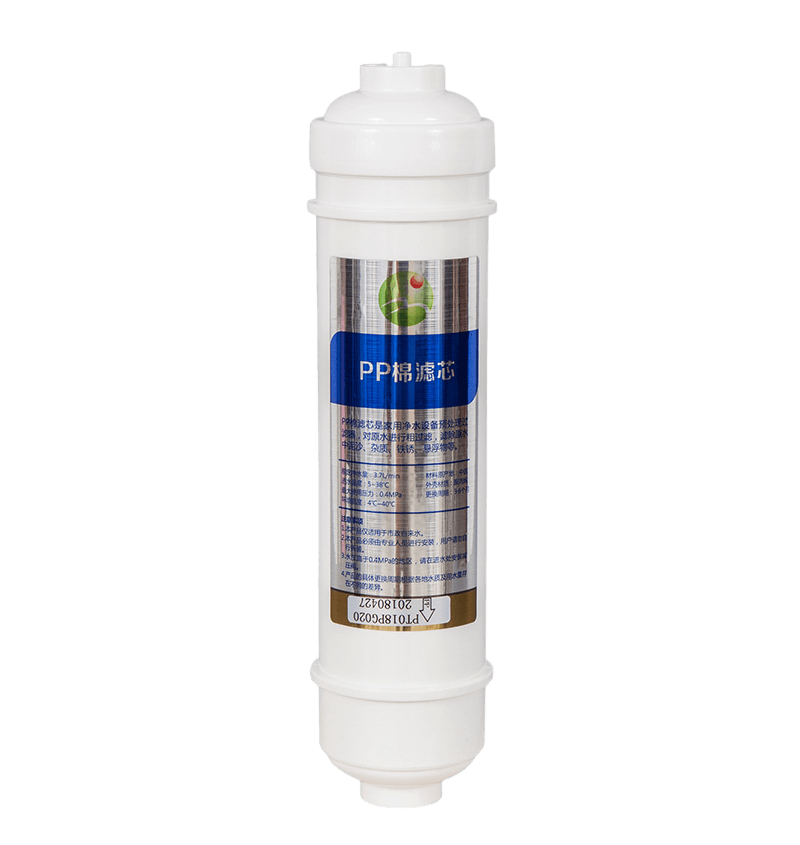
Many pipeline water dispensers include filtration systems to improve water quality. These filters are integrated into the water pathway and must also meet sealing and heat-resistance requirements. Filter housings are designed to withstand internal pressure and temperature changes without leakage. Proper installation and timely replacement of filters help maintain stable water flow and reduce stress on internal components.
User interaction and operational safeguards
User interface design also contributes to safety. Clear labeling, indicator lights, and intuitive controls help users understand water temperature status before dispensing. Some dispensers include child-lock features or two-step activation for hot water, which further supports anti-scalding objectives. These operational safeguards complement the physical design features to create a safer overall user experience.
Environmental factors and installation conditions
The installation environment can influence heat resistance and leak prevention. Adequate ventilation around the dispenser allows heat to dissipate more effectively, reducing internal stress. Proper installation ensures that pipes are aligned correctly and not subjected to unnecessary bending or tension. When installed according to guidelines, the dispenser is better able to maintain its designed performance characteristics.
Comparison of key safety-related features
| Aspect | Design Focus | Functional Purpose |
|---|---|---|
| Heat resistance | Heat-tolerant metals and polymers | Maintain structural stability during repeated heating |
| Anti-scalding | Thermostatic control and insulation | Reduce risk of burns during hot water dispensing |
| Leak prevention | Precision seals and reinforced joints | Prevent water escape under pressure and temperature changes |
| Pressure handling | Pressure-resistant pipes and valves | Ensure stable operation with pipeline water supply |
| User safeguards | Locks and indicators | Improve awareness and reduce accidental misuse |
Operational performance under daily use
During daily use, a pipeline water dispenser may cycle through heating and cooling processes multiple times. Consistent performance under these conditions demonstrates whether the unit truly meets expectations for heat resistance, anti-scalding, and leak prevention. Well-designed systems maintain stable temperatures, show no visible leakage, and provide predictable water flow even after extended operation.
Adaptability to residential and commercial settings
Pipeline water dispensers are used in both residential and commercial environments, each with different usage patterns. In homes, safety and anti-scalding features are particularly important due to varied user groups. In offices or public spaces, leak-proof design and durability become critical to avoid disruptions and maintenance issues. A balanced design allows the dispenser to function reliably across these different settings.
Integration of safety standards and certifications
Compliance with relevant safety and material standards supports confidence in the dispenser’s design. Certifications related to electrical safety, water contact materials, and pressure resistance indicate that the product has been evaluated under defined criteria. While certifications do not replace proper use and maintenance, they provide an additional layer of assurance regarding heat resistance, anti-scalding measures, and leak-proof construction.
System longevity and component compatibility
The long-term stability of a pipeline water dispenser depends on how well individual components work together. Heating elements, pipes, seals, and control systems must be compatible in terms of temperature tolerance and mechanical behavior. When components are properly matched, the system experiences less stress during operation, supporting sustained leak prevention and safe temperature control.
Practical evaluation of safety characteristics
From a practical perspective, assessing whether a pipeline water dispenser is heat-resistant, anti-scalding, and leak-proof involves observing its behavior over time. Stable external surface temperatures, controlled hot water output, and the absence of moisture around joints or the base indicate that the design is functioning as intended. These observable factors help users and installers evaluate performance in real-world conditions.