 English
 عربى
عربى Português
 Español
A member grinding through a hard hour on the gym floor can sweat out between 0.5 and 2 liters of fluid, and most of it gets replaced on your premises, not at home. When the only cooler on the floor runs dry at 6 p.m., the line at the last working tap becomes a visible service failure that members mention in reviews and remember at renewal. For most gyms the practical answer is a direct-piped, floor-standing dispenser with hot and cold taps plus multi-stage or reverse osmosis filtration, installed at roughly one dispensing point per 50 to 75 active members and placed where training actually happens, not only at reception.
Why a Gym Is a Harder Duty Cycle Than an Office
Gyms are not offices with louder music. An office worker sips 200 to 300 ml at a time across eight hours; a gym member drinks 400 to 600 ml in the two minutes between sets, and a spin class of twenty riders can drain a small cold tank in a single session. Exercise physiology guidance suggests replacing fluids at 0.4 to 0.8 liters per hour of exercise, and members keep drinking after they leave the floor. Three load characteristics should drive the purchase:
- Peak concentration: morning and evening blocks compress a large share of daily draws into two or three hours, so cooling recovery speed matters more than nominal tank size.
- Continuous duty: a gym unit runs 14 to 16 hours a day, which punishes undersized compressors and rewards genuine energy-saving circuitry.
- Wet, rough environment: drip trays overflow, cabinets get knocked by plates and gym bags, and stainless steel bodies survive this far better than thin plastic.
Expected intake also depends on what you coach. Typical on-site consumption per session looks like this:
Bottleless or Bottled: Choose the Supply Model First
Start with one question: does the hydration zone have plumbing and drainage? If yes, a direct-piped (bottleless) unit almost always wins, because it removes bottle storage, bottle lifting and the specific embarrassment of running dry during a full class. This is the core of the commercial water dispensers category, where floor-standing stainless models earn their keep. Bottled machines still make sense for small studios, basements without water lines, and temporary locations.
| Setup | Best fit | Main strengths | Watch-outs |
|---|---|---|---|
| Direct-piped floor-standing | Mid-size and large gyms with plumbing | Unlimited supply, no bottle logistics, lowest cost per liter | Needs installation and a fixed filter schedule |
| Bottled top-loading | Small studios and pop-up spaces | Low upfront cost, no plumbing work | Lifting 19 L bottles, storage space, run-outs at peak |
| Bottled bottom-loading | Unplumbed studios that want easier operation | No lifting, cabinet hides the bottle | Ongoing bottle cost and delivery dependence |
| RO pipeline dispenser | Regions with hard, brackish or poor-tasting supply | RO-grade water straight from the tap | Higher unit cost and membrane replacement |
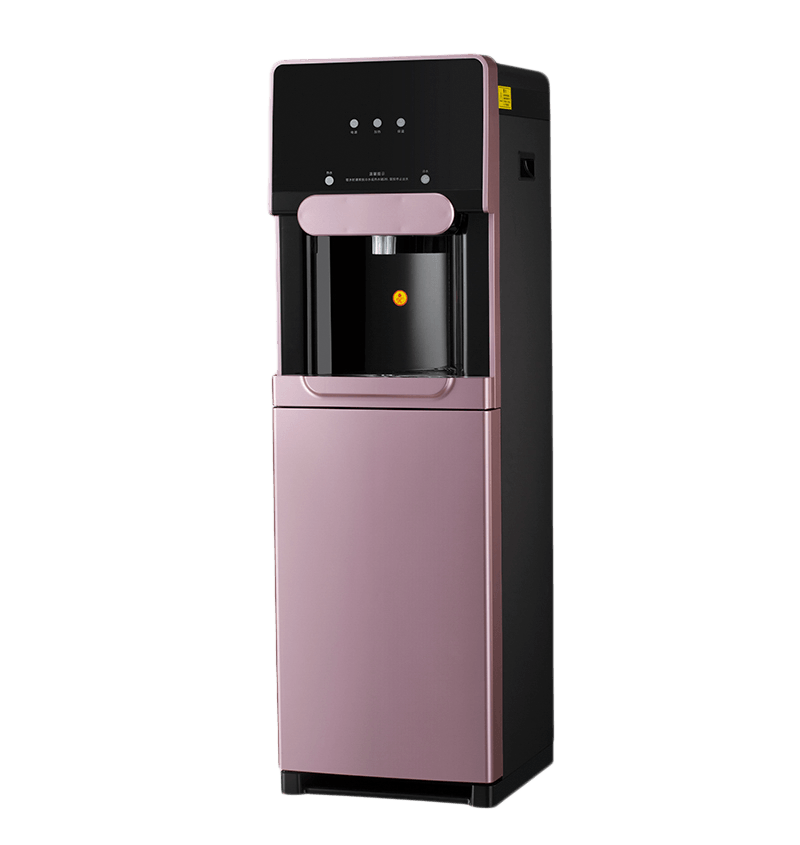
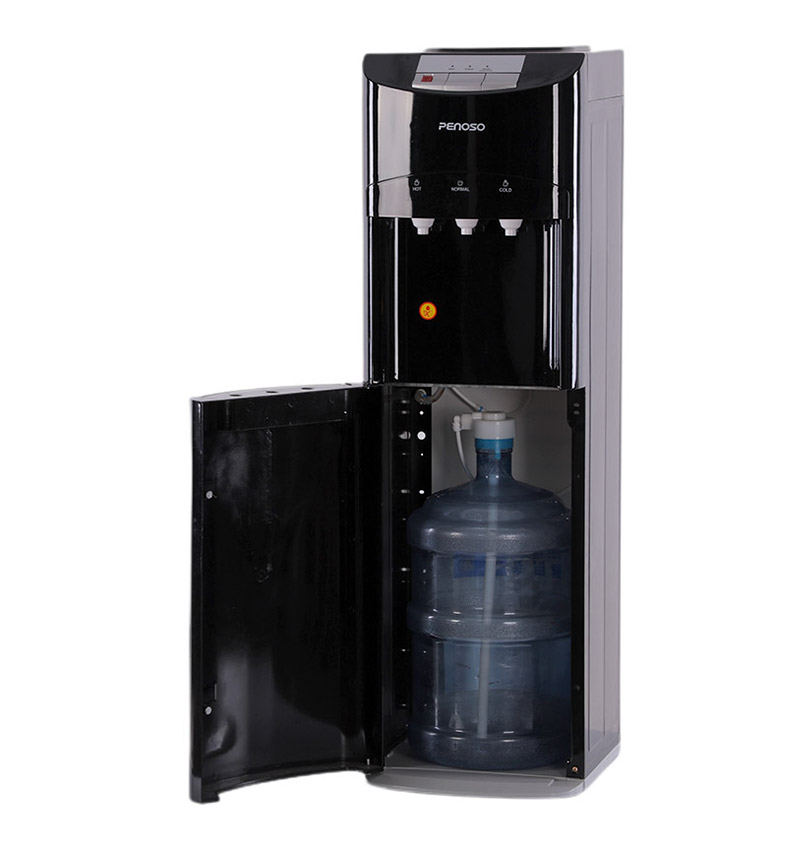 Bottom Loading Water Cooler with 3 Temperature Settings PS-SLR-812BA stainless steel bottled dispenser offering cold, cool, and hot water. Its bottom-loading design lets staff slide bottles in at knee height, avoiding heavy lifting in studio hydration zones without plumbing.View Product →
If a studio does go the bottled route, a bottom-loading cabinet is the version your staff will thank you for, since bottles slide in at knee height instead of being lifted over the machine.
Sizing and Placement: Plan for the 6 p.m. Rush, Not the Average
A workable starting point is one dispensing point per 50 to 75 active members, spread across zones rather than clustered at the door. A club with 300 active members should therefore plan four to six points: one near the cardio floor, one by the free weights, one at the group-class studio exit, and one near reception for arrivals and parents waiting on kids' classes. Two-tap hot and cold units clear a queue roughly twice as fast as single-tap coolers, and cold-water recovery is the specification to check: ask how many cups per hour the machine serves continuously, not just the tank volume. Placement details matter too:
- Install on main circulation routes so members pass the unit naturally between zones.
- Leave 10 to 15 cm of rear clearance for compressor ventilation and easier servicing.
- Position over or near a floor drain where possible; drip trays fill fast in gyms.
- Keep units out of direct sunlight, which forces the cooling system to work harder.
Filtration: Match the Machine to Your Source Water
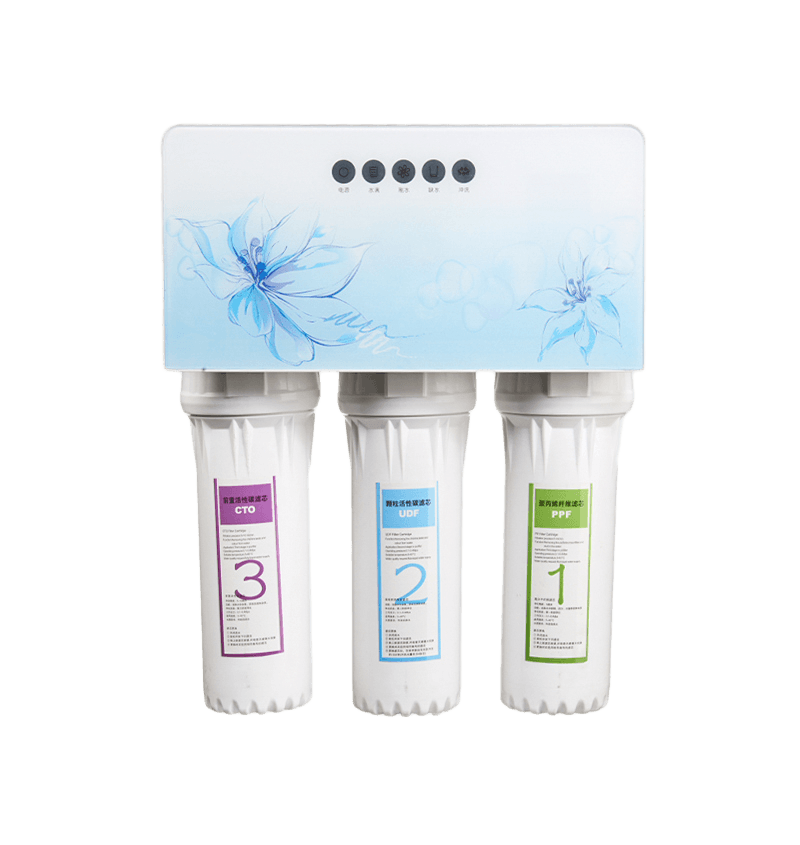
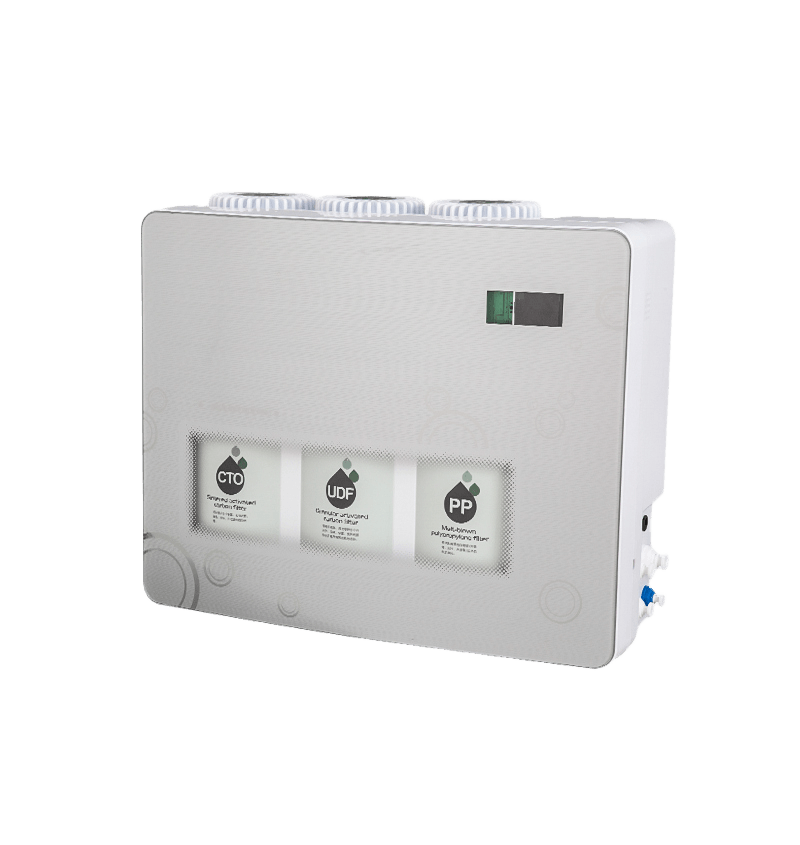
Municipal supply is treated, but treated does not always mean it tastes good at 6 a.m. Chlorine taste, sediment in older buildings and high mineral content are the three complaints gyms hear most. A simple TDS reading of your source water settles most of the debate: modest TDS and acceptable taste usually need only a multi-stage PP, CTO and UDF chain for chlorine and sediment, while high TDS, hard water or members who ask for purified water justify RO. An RO pipeline dispenser integrates the membrane into the machine and delivers purified water cold or hot at the tap, the configuration most commercial buyers in RO markets settle on.
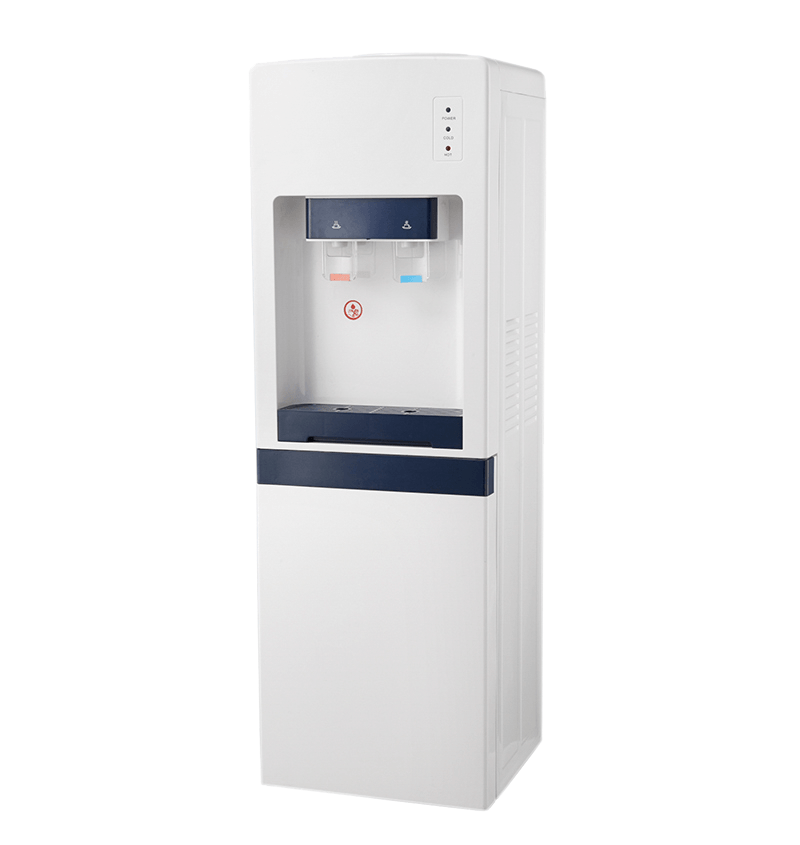
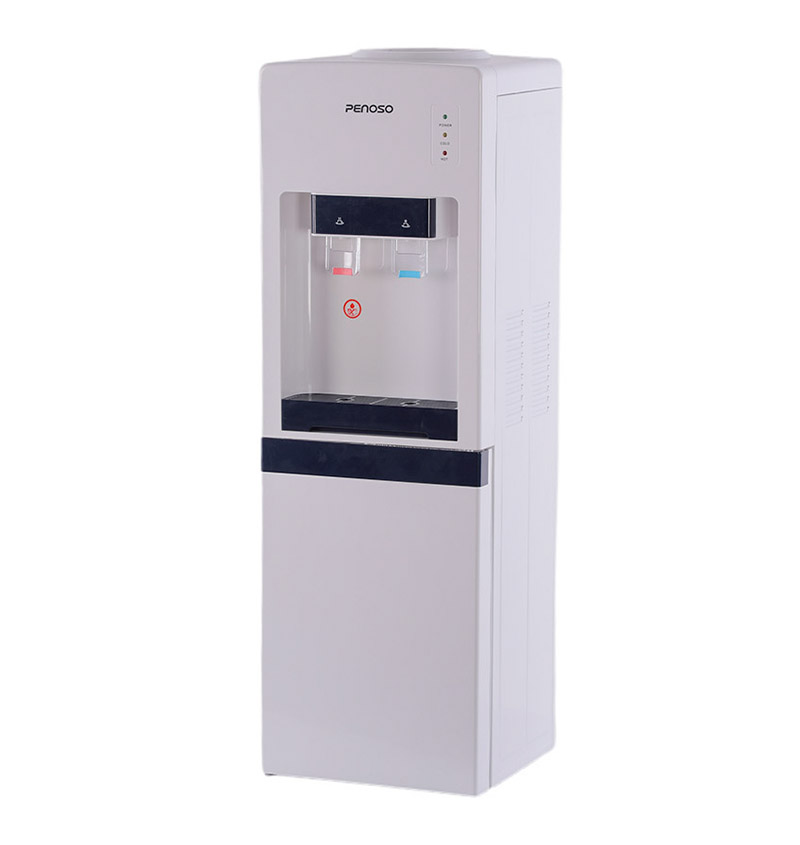 Pipeline Water Dispenser with RO/UF Filtration PS-SLR-102A stainless steel direct-piped dispenser with integrated RO or UF filtration, serving purified water cold or hot at the tap. Suited for facilities where chlorine taste, sediment, or high TDS justify membrane purification.View Product →
For large clubs that want to feed several hydration points from one purification core, a high-capacity RO unit in the service room with line runs to each dispenser is more economical than a membrane under every machine.
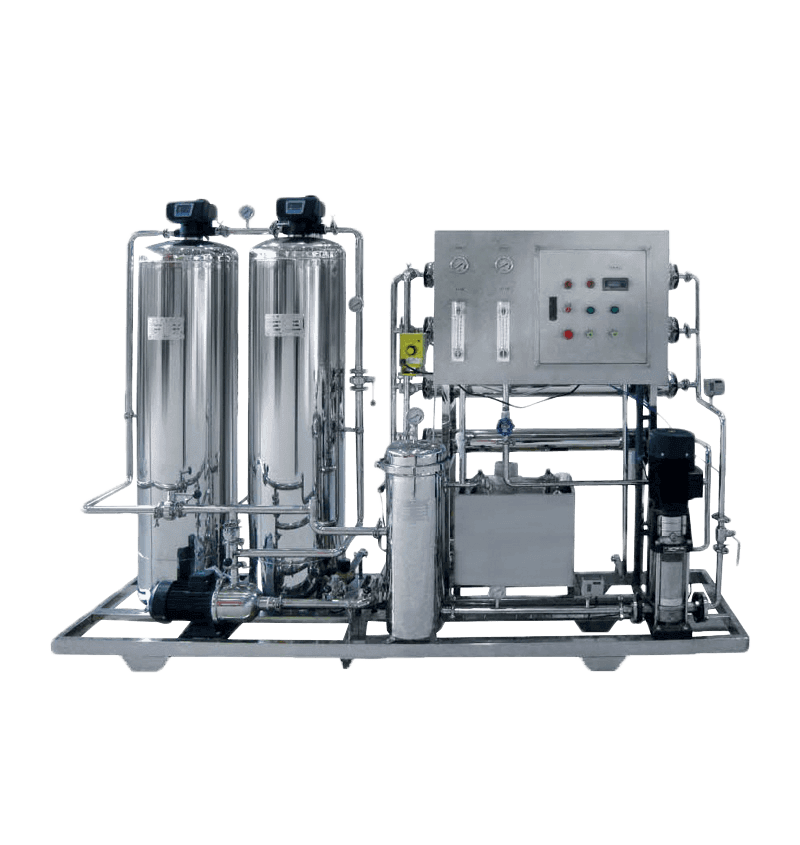 304 Stainless Steel RO System with Runxin Valve, 3000L/HA high-capacity RO unit with multi-media, activated carbon, and softener pretreatment, a 5.2kw pump, and flow monitoring. Ideal for feeding several gym hydration points from one central purification core.View Product →
Hygiene, Maintenance and Running Cost
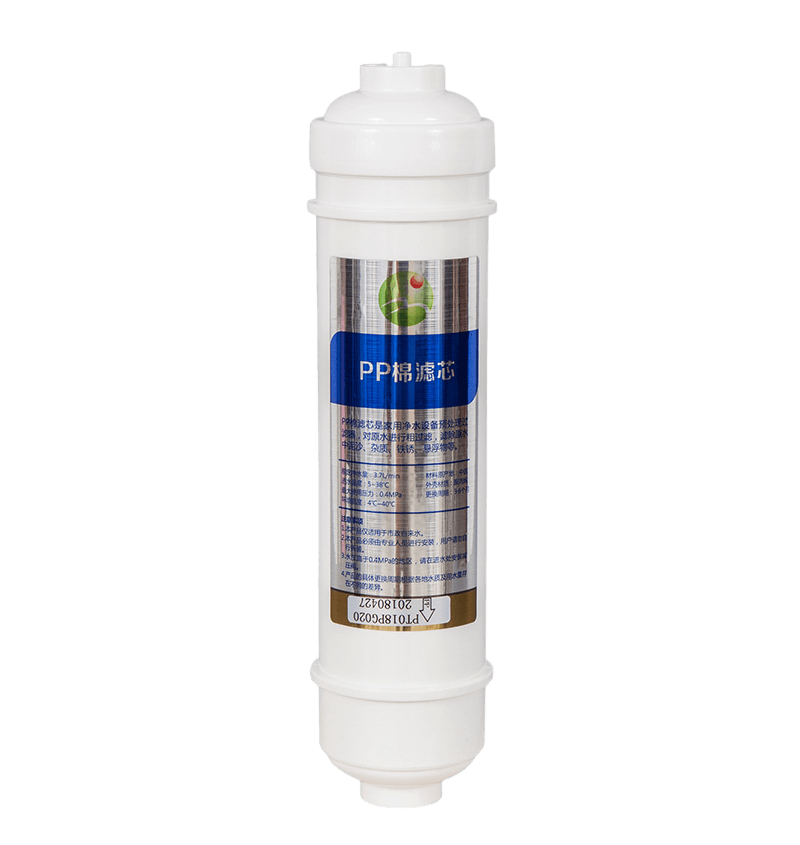
A gym dispenser serves dozens of people a day who touch the taps with hands that just gripped shared equipment, so hygiene discipline has to be simple enough to actually follow. Wipe drip trays and tap levers daily, sanitize tanks and water lines at least quarterly, and keep a fixed filter calendar: sediment PP cartridges typically every 3 to 6 months, carbon CTO and UDF cartridges every 6 to 12 months, and RO membranes roughly every 18 to 24 months, all shortened in hard-water regions. We keep a practical walkthrough of how to clean the water dispenser that floor staff can follow step by step.
Energy is the quieter cost. Compressor cooling chills water faster and recovers better under class loads than electronic cooling, which suits a low-traffic desk rather than a gym floor. Check for energy-saving or night modes, since a unit idling eight hours overnight should not run heaters and compressors at full duty, and low-noise operation matters wherever the unit sits near a studio wall during class.
Safety Details That Matter More in a Gym
Hot water taps deserve respect in any public space, so look for anti-scald taps or two-step dispensing levers, and if your club runs kids' areas or family sessions, child safety locks remove an entire category of incident. Floor-standing units should have a stable base and anti-tip construction, because members lean on machines and bump them with bags. Around the unit, manage the wet floor: functional drip trays, leak-proof internal plumbing and prompt tray emptying prevent the slip hazards that cause real liability. Finally, confirm the electrical side for your market, including proper earthing, overvoltage protection and certification such as CE, CB, SASO or SONCAP depending on where you operate.
A Seven-Point Buying Checklist
- Count active members and estimate peak-hour concurrency; plan one dispensing point per 50 to 75 members.
- Confirm plumbing and drainage; where they exist, choose a bottleless direct-piped unit.
- Test source water with a TDS meter and a taste check; specify multi-stage filtration or RO accordingly.
- Verify cold-water recovery under continuous draw, and prefer compressor cooling for high-traffic floors.
- Specify food-grade stainless steel tanks and taps for durability and easier sanitation.
- Check safety hardware: anti-scald hot taps, anti-tip base, drip tray, and the certifications required in your market.
- Lock in the consumables plan before opening day: filters, membranes and spare taps with clear replacement intervals.
The Bottom Line
Hydration is one of the few services every member uses on every visit, which makes the dispenser a small purchase with an outsized effect on how the club feels. Get the supply model right, size for the evening rush instead of the daily average, filter for your actual source water, and put the units where sweat happens. Working with a manufacturer that builds dispensers, RO systems and the matching filters under one roof, as Penoso does, simplifies both procurement and the maintenance calendar for years.
.jpg "Self Cleaning Bottom Loading Water Cooler Water Dispenser - 3 Temperature Settings PS-SLR-812B")